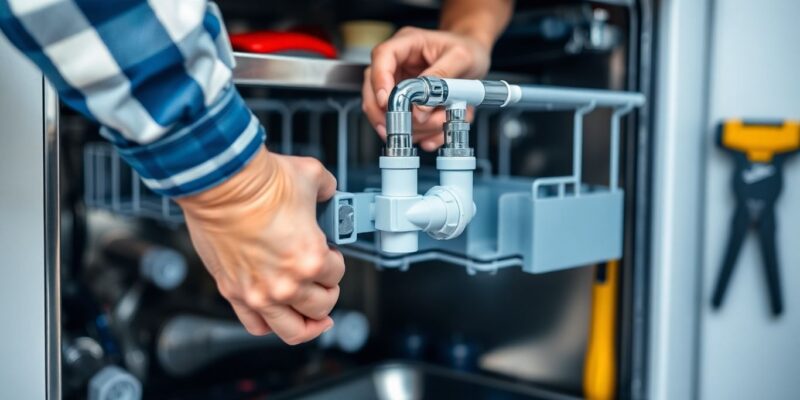
Plumber connecting dishwasher water line during installation.

Top Plumbing Requirements for Dishwasher Installation Ottawa

Getting a new dishwasher installed in Ottawa? It’s more than just plugging it in. Proper plumbing is super important for making sure your dishwasher runs right and doesn’t cause any leaks or problems down the road. This guide will walk you through what you need to know for a smooth dishwasher installation Ottawa, covering everything from water lines to drainage, and why calling a pro is usually the best bet.

Key Takeaways

  • Ensure your water supply line is correctly connected and has a shut-off valve for safety and maintenance.
  • Proper drainage is vital to prevent water backup; a high loop or air gap is often required.
  • Be aware of common issues like incorrect connections or inadequate drainage that professionals can handle.
  • Professional dishwasher installation in Ottawa offers expertise, safety, and peace of mind, often saving you hassle and potential repair costs.

Why Proper Plumbing Matters for Dishwasher Installation & Repair

Getting a dishwasher installed isn’t just about fitting a new box under your counter. The plumbing part is actually a pretty big deal, and if it’s not done right, you can end up with a whole lot of headaches. We’re talking about potential leaks that could damage your floors or cabinets, or even worse, a backup that sends dirty water where it shouldn’t go.

Making sure the water supply and drainage lines are correctly connected is key to your dishwasher working as it should. It’s not just about having water go in and out; it’s about doing it efficiently and without causing problems for your home’s existing plumbing system. Think of it like this:

  • Water Supply: This needs to be a clean, steady flow. Too much pressure or a faulty connection can damage the dishwasher’s internal parts over time. Too little, and it won’t clean well.
  • Drainage: This is where things can get messy. The drain line needs to be properly pitched and connected to your home’s drain system, often via the sink’s plumbing. If it’s not, water can back up into the dishwasher, leaving you with standing water and a smelly mess.
  • Backflow Prevention: Some areas require specific devices to stop dirty water from flowing back into your clean water supply. This is a safety measure that’s often overlooked in DIY attempts.

When you’re looking into kitchen appliance plumbing services, it’s important to find someone who knows these details. A sloppy job here can lead to costly repairs down the line, not to mention the inconvenience. For example, a poorly connected drain hose might seem fine at first, but it could start causing slow drains in your sink or even gurgling sounds, hinting at a bigger issue brewing.

The difference between a dishwasher that runs smoothly for years and one that’s a constant source of problems often comes down to the initial plumbing setup. It’s worth getting it right from the start, whether you’re doing it yourself or hiring a professional. For reliable dishwasher installation, you can check out services like Clean Stream Plumbing.

This is why paying attention to the plumbing details during installation is so important. It sets the stage for how well your appliance will perform and how long it will last without issues.

Essential Water Supply Requirements for Dishwasher Installation

Getting the water supply right for your dishwasher in Ottawa means fewer headaches later. A reliable and clean water line is key for efficient dishwasher function and a longer appliance life. It isn’t just about hooking up a hose and being done—there are a few things people overlook or cut corners on, and that’s where the problems start.

Here’s what matters most when setting up the water supply:

  • Use a new, dedicated water supply line—usually 3/8″ copper or braided stainless steel is best.
  • Make sure the supply valve is easily reachable and in good shape. Old or rusted valves can leak or break over time.
  • Include a shut-off valve if one isn’t already installed. It’s a lifesaver if you run into leaks. 
  • Watch the water pressure. Ideal pressure for a dishwasher is usually between 20 and 120 psi. Anything outside that can cause performance issues or leaks. Here’s a quick table:
Water Pressure (psi) Dishwasher Performance
Below 20 Won’t fill reliably
20-120 Works properly
Above 120 Risk of leaks/damage
  • Consider a Water Softener if your home has hard water. This helps prevent mineral buildup that can clog your dishwasher’s parts.
  • Add a Water Filtration System if water quality in your area is questionable. Your wash cycles—and your dishes—will thank you.

Reliable water supply means less chance of leaks, easier maintenance, and fewer calls to the plumber down the line. Handle it right in the beginning, and you’ll avoid the usual frustrations that come with subpar hookups.

Drainage Requirements for Ottawa Dishwasher Installations Services

When you’re getting a dishwasher installed in Ottawa, the drain setup is pretty important. It’s not just about hooking up a hose; it’s about making sure water goes where it’s supposed to and doesn’t cause any problems down the line. A properly functioning drain prevents water backup and potential damage to your kitchen and the appliance itself.

Here’s what you need to know about dishwasher drainage in Ottawa:

  • Connection Point: Most dishwashers connect to your kitchen sink’s drain pipe. This usually involves a “Y” fitting or a special dishwasher tailpiece. The connection needs to be secure to stop leaks.
  • Air Gap: In many areas, including Ottawa, plumbing codes require an air gap. This is a small device, often visible on your countertop or sink backsplash, that prevents dirty sink water from flowing back into the dishwasher. It creates a physical break in the drain line.
  • High Loop: Even if an air gap isn’t strictly mandated, it’s a good idea to create a “high loop” in the drain hose. This means routing the hose up as high as possible under the sink before it connects to the drain pipe. Like an air gap, this helps prevent backflow.
  • Disposal Unit Connection: If you have a garbage disposal unit, the dishwasher drain hose typically connects to a specific inlet on the disposal. Make sure this inlet is clear and properly fitted.

For homes that might have issues with gravity drainage or are in areas with a high water table, you might need to consider a more complex setup. This could involve a special pump system to help move the water away effectively. If your home uses a septic tank, it’s especially important to ensure the dishwasher’s drainage doesn’t overload the system. Sometimes, a plumber might suggest a dedicated drain line or even an install sump pump drain system if standard drainage isn’t sufficient.

Common Drainage Setups:

Setup Type Description
Standard Sink Drain Connects directly to the kitchen sink’s existing plumbing.
Garbage Disposal Drains through a dedicated inlet on the garbage disposal unit.
Standalone Drain Less common, but may involve a separate pipe leading to the main drain.
Sump Pump Assist Used when gravity drainage is poor; water is pumped away from the unit.

If you’re unsure about your home’s specific drainage situation, especially if you have older plumbing or a septic tank, it’s always best to consult with a qualified plumber. They can assess your setup and make sure the dishwasher drain is installed correctly to avoid any messy surprises.

Recommended Upgrades for a Trouble-Free Installation

So, you’re getting a new dishwasher, that’s great! Before the installer even shows up, there are a few things you might want to think about doing to make the whole process smoother. It’s not just about having the right tools; it’s about making sure your existing setup can handle the new appliance without causing headaches down the road.

First off, let’s talk about the water supply. Upgrading your water supply line to a braided stainless steel hose is a really smart move. These are way more durable than the old plastic or rubber ones and are much less likely to burst. Nobody wants a surprise flood while their dishwasher is being installed, right?

Here are a few other things to consider:

  • Check your shut-off valve: Make sure the valve that controls water to the dishwasher is easily accessible and works properly. If it’s old or stiff, it might be worth replacing it. You don’t want to be fumbling around trying to shut off water if there’s an emergency.
  • Consider a dedicated electrical circuit: Older homes might have dishwashers sharing circuits with other appliances. For better performance and safety, having a dedicated circuit just for your dishwasher is ideal. This prevents tripping breakers when you run other things at the same time.
  • Think about the drain connection: Sometimes, the existing drain setup isn’t ideal. If you have a garbage disposal, ensure the dishwasher drain hose connects securely. If you’re connecting to the sink drain directly, make sure the high loop is properly installed to prevent dirty water from backing up into the dishwasher.

Sometimes, the simplest upgrades make the biggest difference. It’s like getting new tires for your car before a long road trip – it just gives you more peace of mind. Taking a little extra time to prep can save you a lot of hassle later on.

Also, if your dishwasher is going to be a bit of a squeeze, make sure you have a level handy. Getting the appliance perfectly level is key for it to run right and drain properly. Adjusting the feet might seem minor, but it’s a big deal for the appliance’s lifespan.

Common Plumbing Issues Found During Dishwasher Installation
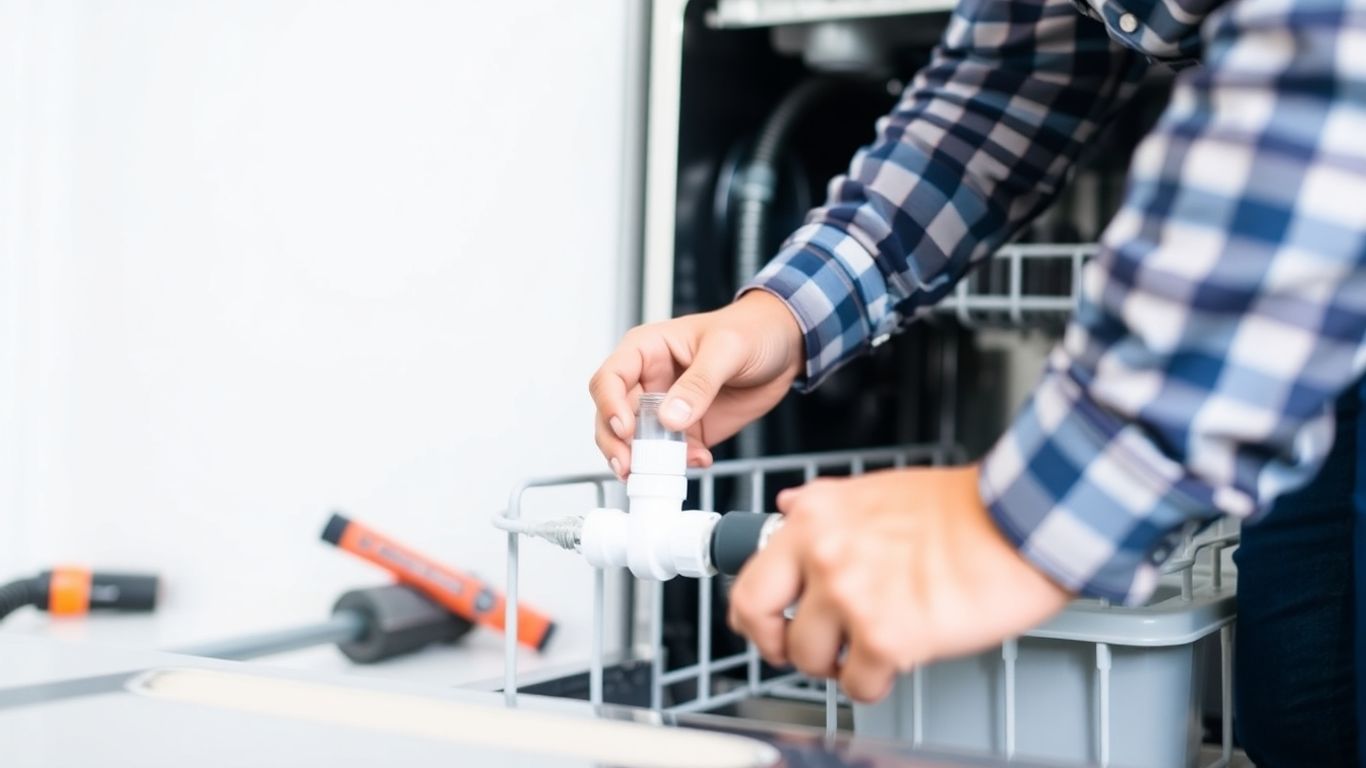
Plumber connecting water line to dishwasher during installation.

When we roll up to a dishwasher installation job here in Ottawa, we sometimes run into a few snags. It’s not always a straightforward hookup, you know? One of the most frequent headaches is dealing with old or improperly installed water supply lines. Sometimes they’re corroded, or the fittings just aren’t up to snuff, which can lead to leaks down the road. Nobody wants to deal with water damage, especially not from a brand-new appliance.

Another thing that pops up is drainage. The dishwasher needs to get rid of dirty water, and if the drain line isn’t set up right, or if there’s a blockage further down the line, you can get backups. This is especially true in older homes where the plumbing might not be as robust. We’ve seen situations where the existing drain setup is just begging for a Sewer Line Repair, or at least a good cleaning, before we can even think about connecting the dishwasher.

We also encounter issues related to the overall water system. For instance, if you’re on a well, the water pressure might be inconsistent, or the well pump installation might need a tune-up to handle the extra demand. Similarly, the Water Heater needs to be able to supply enough hot water at the right temperature. If any of these are off, the dishwasher won’t perform as it should.

Here are some common plumbing problems we often find:

  • Water Line Issues: Leaky connections, old pipes, or insufficient water pressure.
  • Drainage Problems: Clogs, improper slope, or backflow concerns.
  • Electrical Connections: While not strictly plumbing, incorrect wiring can cause appliance malfunctions.
  • Appliance Fitment: Sometimes the space isn’t quite right, requiring minor adjustments.

It’s always a good idea to have a plumber check your existing plumbing before you buy a dishwasher. They can spot potential problems, like a weak weeping tile system or a water heater that’s on its last legs, that could cause trouble later on. Catching these things early saves a lot of hassle and potential expense.

Sometimes, the existing plumbing just isn’t up to par for a modern dishwasher. We might need to reroute a drain pipe, upgrade a water valve, or even address issues with your main water line. It’s all part of the job to make sure your new dishwasher runs smoothly and doesn’t cause any unexpected problems.

Why Professional Installation Matters
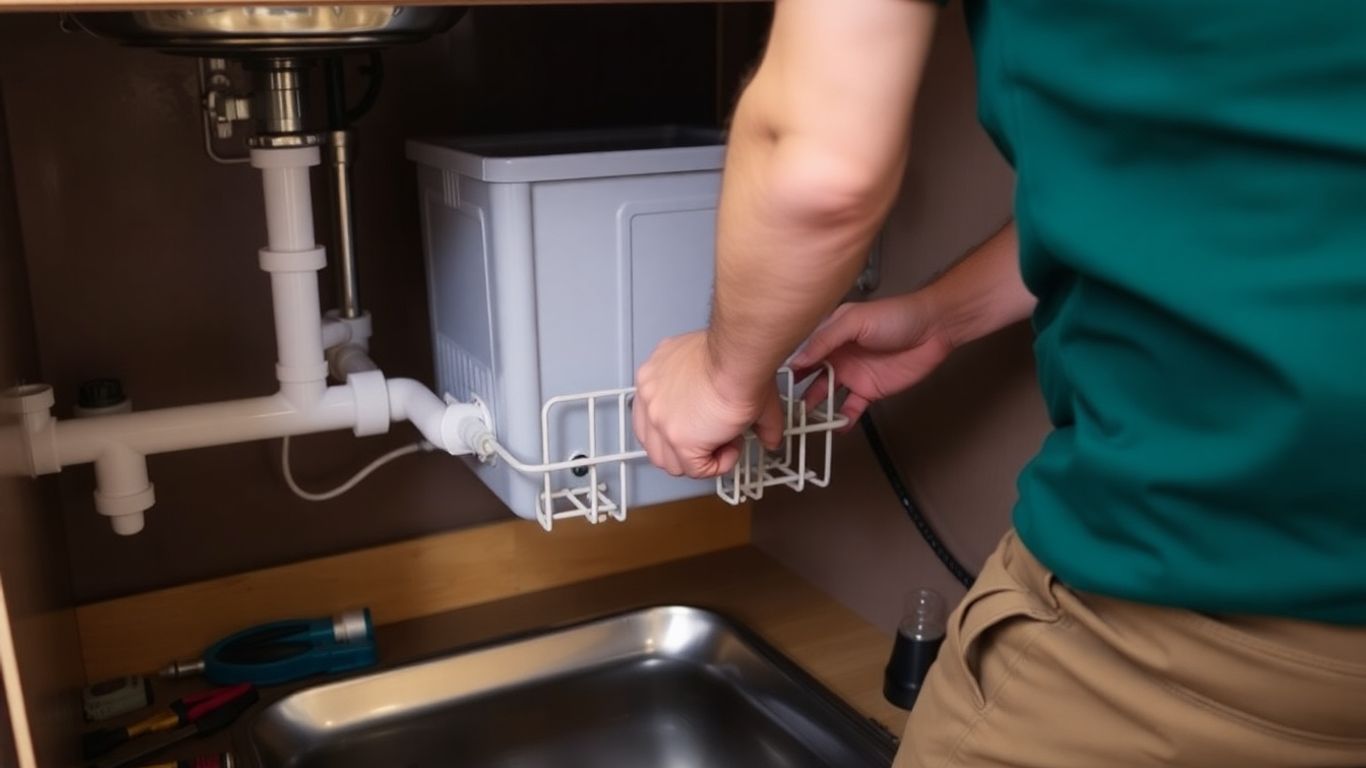
Plumber installing a dishwasher under a kitchen sink.

Look, trying to install a dishwasher yourself might seem like a good way to save a few bucks. But honestly, it’s usually more trouble than it’s worth. These things aren’t just plug-and-play appliances; they involve water lines, drain pipes, and electrical connections that, if done wrong, can lead to some pretty big headaches.

Getting a qualified plumber involved means you’re covered. They know all the local codes and safety rules, which is super important for preventing leaks or electrical issues down the line. Plus, they’ve got the right tools and know-how to hook everything up correctly the first time.

Here’s a quick rundown of why going pro is the way to go:

  • Avoids Costly Mistakes: Leaks can cause serious water damage to your cabinets, floors, and even the ceiling below. Incorrect electrical hookups are a fire hazard. Professionals minimize these risks.
  • Ensures Proper Function: A plumber will make sure your dishwasher is connected to both the water supply and the drain properly, so it actually cleans your dishes effectively and doesn’t back up.
  • Saves You Time and Stress: Instead of spending hours wrestling with pipes and instructions, you can let someone who does this for a living handle it quickly and efficiently.
  • Warranty Protection: Many dishwasher manufacturers require professional installation to keep the warranty valid. If something goes wrong, you won’t be left footing the bill.

Trying to DIY a dishwasher installation can seem tempting, but the potential for leaks, electrical problems, and appliance malfunctions is high. Professionals have the training and experience to handle these complex connections safely and correctly, saving you potential repair costs and stress in the long run.

Most standard installations take about one to two hours. It might seem like a bit of an expense upfront, but compared to the cost of fixing water damage or replacing a faulty appliance, it’s usually a smart investment.

Ensuring Your Dishwasher Installation Meets Ottawa Codes

When you’re connecting a new dishwasher in Ottawa, it’s not just about getting the appliance hooked up and running. There are specific rules and regulations in place to make sure everything is safe and works right, especially when it comes to plumbing. Ignoring these codes can lead to problems down the line, like leaks or even fines.

For a proper dishwasher repair & installation Ottawa, Canada homeowners need to be aware of a few key things:

  • Water Supply Lines: The dishwasher needs a dedicated cold water supply line. This line must be protected from freezing and should have a shut-off valve easily accessible. This is a big one for the Ottawa dishwasher water line installation.
  • Drainage: The dishwasher’s drain hose needs to connect to your plumbing system correctly. It usually ties into the sink’s drain pipe, but it’s important to have an air gap or a high loop to prevent dirty water from flowing back into the dishwasher.
  • Electrical Connections: While this article focuses on plumbing, remember that the electrical hookup also needs to meet code. It’s often a dedicated circuit.

Local plumbing codes in Ottawa are designed to protect your home and ensure the longevity of your appliances. A qualified plumber for dishwasher hookup Ottawa services will know these codes inside and out, making sure your installation is compliant and safe.

Here’s a quick look at what a professional plumber checks:

Requirement Detail
Water Supply Valve Must be present, accessible, and shut off water to the dishwasher.
Drain Hose Connection Proper connection to the sanitary drainage system, preventing backflow.
Air Gap/High Loop Prevents contamination of the dishwasher’s water supply.
Pipe Materials Must be approved for potable water and drainage use.

Getting a professional involved for your dishwasher Repair & installation Ottawa services means you don’t have to worry about these details. They handle the Ottawa dishwasher water line installation and drainage connections according to the book, giving you peace of mind.

Final Thoughts

So, we’ve covered the water supply, the drainage, and what to look out for during installation. It might seem like a lot, but getting these plumbing details right from the start makes a huge difference. A properly installed dishwasher means fewer headaches down the road, like leaks or drainage problems.

Think about it this way:

  • Water Supply: You need a dedicated hot water line, usually 3/8 inch, with a shut-off valve nearby. No exceptions.
  • Drainage: The drain hose needs to loop up high before connecting to your sink’s drain or garbage disposal. This stops dirty water from backing up.
  • Electrical: While not strictly plumbing, make sure you have a dedicated circuit. It’s just good practice.

Sometimes, you might run into unexpected issues, like older pipes or tricky cabinet spaces. It’s these moments where knowing when to call in a pro really pays off. They’ve seen it all and have the tools to handle surprises.

If you’re not totally confident with plumbing, or if your setup looks a bit unusual, don’t hesitate to get a professional involved. It’s usually worth the peace of mind. Plus, they’ll know all the Ottawa-specific codes, so you won’t have to worry about that part.

So, that’s the rundown on everything. We hope this information was helpful and cleared up any questions you might have had. If you’re ready to get started or need more details, don’t hesitate to reach out. Visit our website today to learn more and schedule your service!

Frequently Asked Questions

Do I need to buy the dishwasher before you come to install it?

Yes, it’s best to have your new dishwasher ready before scheduling the installation. This way, our plumbers can focus on connecting it properly and making sure it works perfectly.

How long does it usually take to install a dishwasher?

Most dishwasher installations take about 1 to 2 hours. However, this can change a bit depending on how complicated the setup is or if any extra plumbing work is needed.

Can you take away my old dishwasher when you install the new one?

Absolutely! We can help remove and dispose of your old dishwasher. Just let us know when you book the appointment so we can plan for it.

Why shouldn’t I try to install the dishwasher myself?

Installing a dishwasher involves connecting water lines, drainage, and electrical parts. Doing it yourself can lead to leaks, damage, or even safety hazards if not done correctly. It’s safer and more reliable to let a professional handle it.

Are your plumbers licensed and insured?

Yes, all our technicians are fully licensed and insured. This means the job will be done safely and correctly, following all the rules and regulations.

What if my dishwasher starts leaking water?

If you notice a leak, turn off the water supply to the dishwasher right away. Check the hoses and connections for any obvious problems. Then, call a licensed plumber immediately to find and fix the leak.
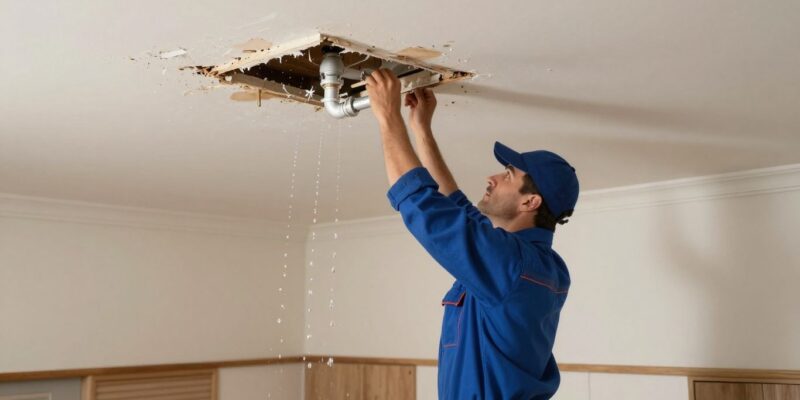
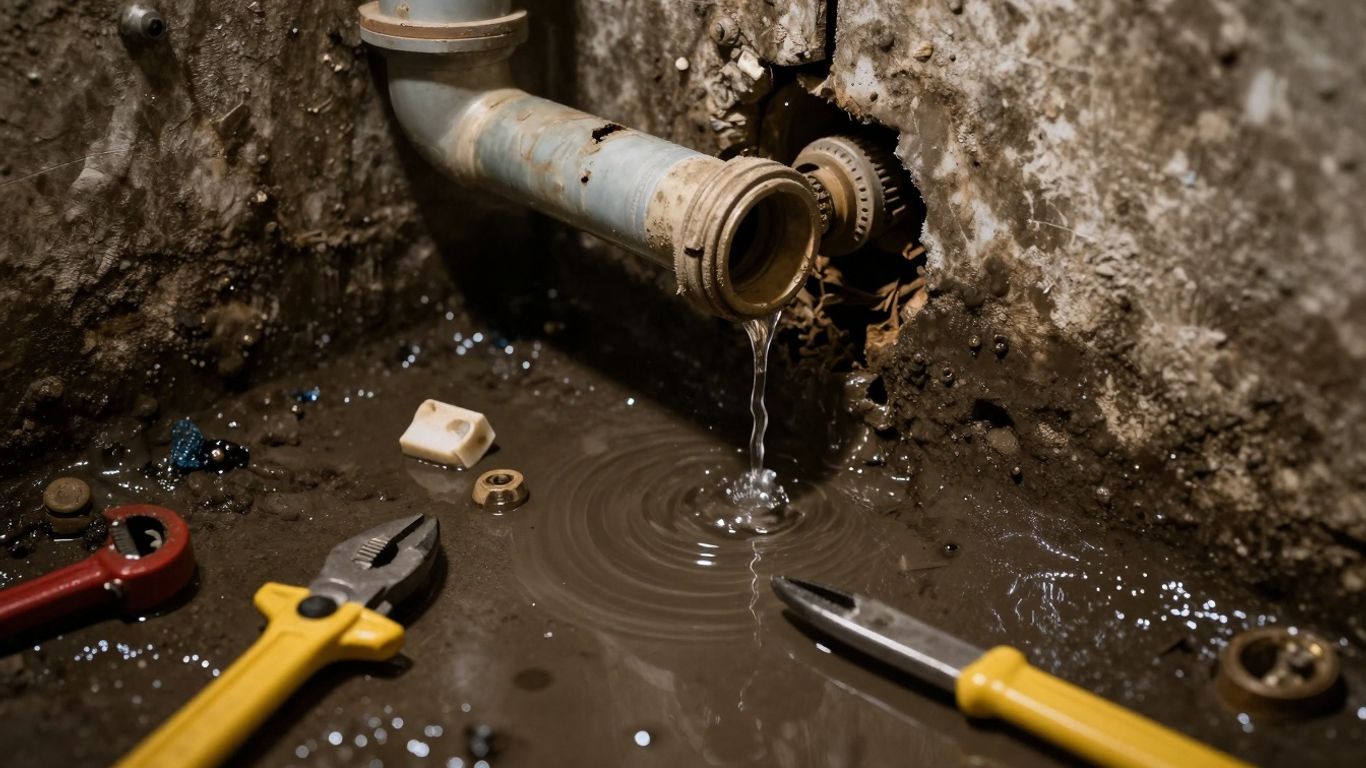
Plumber inspecting water pipes in a home.

Water Damage Ottawa – How a Plumbing Company Helps Homeowners

Dealing with water damage in Ottawa can be a real headache for homeowners. Whether it’s a leaky pipe, a basement flood, or something worse, water can cause a lot of problems fast. It’s not just about the mess; it’s about the potential for structural damage and even health risks from mold. That’s where knowing who to call and what to do makes a big difference. This article looks at how good plumbing companies help homeowners tackle water damage, from fixing the immediate problem to preventing future issues.

Key Takeaways

  • Quick action is vital when water damage occurs in Ottawa homes to prevent further structural issues and mold growth.
  • Professional plumbers use specialized tools and techniques to accurately detect the source and extent of water damage.
  • Emergency plumbing services are available 24/7 to address urgent leaks and flooding, minimizing damage.
  • Plumbers help reduce health risks by addressing water sources that can lead to mold and bacteria.
  • Long-term plumbing solutions and homeowner tips can prevent future water damage and protect your property.

Understanding Water Damage in Ottawa Homes

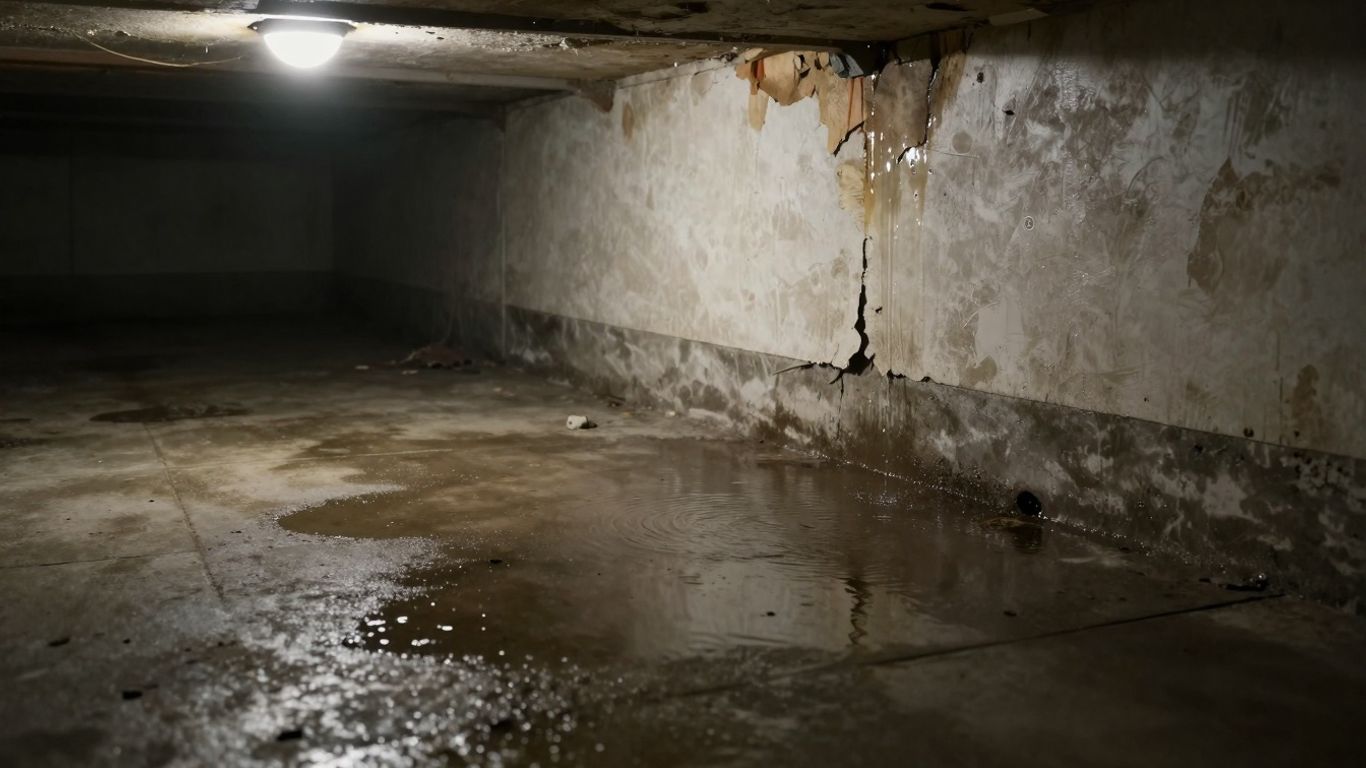
Water damage in Ottawa homes can be a real headache. It’s not just about the mess; it’s about the potential for serious problems that can affect your property and even your health. When water gets where it shouldn’t be, whether it’s from a leaky pipe, a burst appliance, or even heavy rain causing a basement flood, the clock starts ticking. The longer water sits, the more damage it can do. This is where understanding the basics of water damage restoration becomes important for any homeowner in the region.

Dealing with water damage means more than just mopping up puddles. It involves a process of restoring your home after a water leak, which can be complex. The effects can range from cosmetic issues like stained ceilings and warped flooring to more severe structural problems and the growth of mold and bacteria. For those in Ottawa, understanding the common sources and the immediate steps needed for water damage restoration can make a big difference in the outcome.

Here are some common ways water damage can affect your home:

  • Structural Weakening: Water can seep into walls, floors, and foundations, compromising their integrity over time.
  • Material Degradation: Wood can rot, drywall can crumble, and insulation can lose its effectiveness when wet.
  • Electrical Hazards: Water and electricity are a dangerous mix. Damp wiring or submerged outlets pose a significant risk.
  • Mold and Mildew Growth: Damp environments are breeding grounds for mold, which can cause health issues and further damage materials.
  • Contamination: If the water source is sewage or contaminated runoff, it can introduce harmful bacteria and pathogens into your home.

The impact of water damage isn’t always immediate or obvious. Hidden moisture can lead to problems like mold growth and structural decay long after the initial event. Prompt action is key to minimizing these secondary issues and getting your home back to normal.

When you’re facing a situation involving water damage, especially if it’s a significant event like an Ottawa flood cleanup services scenario, knowing what to expect and how to react can save you a lot of trouble. It’s about protecting your home of water and getting the right help to ensure a thorough water damage restoration process.

Common Causes of Water Damage

Plumber fixing a leaking pipe causing water damage.

Water damage can sneak up on you in a few different ways, and it’s usually not just one thing that goes wrong. Often, it’s a combination of issues that lead to a soggy mess.

One of the most frequent culprits is plumbing system failures. Think about old pipes that have started to leak, or maybe a pipe that just burst because it got too cold. Even a simple appliance like a washing machine or dishwasher can decide to spring a leak, and before you know it, water is everywhere. These aren’t usually dramatic events, but slow, steady leaks can cause a surprising amount of damage over time.

Then there are the bigger, more sudden problems. Heavy rain and snowmelt can overwhelm your home’s drainage system, especially if you have a basement. This can lead to flooding, which is a whole different ballgame. Sometimes, it’s not even your plumbing directly, but issues with the foundation or external grading that let water seep in.

Here are some of the usual suspects:

  • Leaking Pipes: Old, corroded, or frozen pipes can crack and drip.
  • Appliance Malfunctions: Washing machines, dishwashers, refrigerators with ice makers, and water heaters can all fail and leak.
  • Clogged Drains: When drains can’t handle the water flow, it backs up.
  • Sewer Backups: This is a nasty one, where sewage comes back up through your drains.
  • Foundation Leaks: Cracks in the foundation or poor grading around your house can let groundwater in.
  • Roof Issues: Damaged or missing shingles, or clogged gutters, can lead to water getting into your attic and walls.

It’s important to remember that even a small amount of water, if left untreated, can lead to bigger problems like mold growth and structural weakening. Addressing the source quickly is key.

Sometimes, water damage isn’t even from a leak. Fire suppression systems, like sprinklers, can go off accidentally or during a fire, causing significant water damage. It’s a good thing they’re there, but they can certainly create a mess that needs cleaning up.

How Professional Plumbers Detect Water Damage with Precision

When water damage strikes, pinpointing the exact source and extent of the problem is key. It’s not always obvious, like a visible puddle. Sometimes, water hides behind walls or under floors, slowly causing more trouble. That’s where a skilled plumber really shines.

They use a mix of experience and specialized tools to find leaks you might not even know are there. Think about a plumber for burst pipe situations; they need to find that break fast. Or maybe you’ve got a water heater leaking from the bottom – that’s a clear sign, but they’ll still check the surrounding pipes.

Here’s how they get to the bottom of it:

  • Visual Inspection: This is the first step. They’ll look for obvious signs like water stains, peeling paint, warped materials, or mold growth. They’ll also check the condition of visible pipes and fixtures.
  • Listening Devices: Believe it or not, plumbers can sometimes hear leaks. Special acoustic listening devices can pick up the faint sound of running water or dripping within walls or under slabs.
  • Moisture Meters: These handy gadgets measure the moisture content in building materials like drywall, wood, and insulation. If a meter shows a high reading in an area that should be dry, it points to a hidden leak.
  • Infrared Cameras: These cameras detect temperature differences. Wet areas often feel cooler than dry ones due to evaporation, so an infrared camera can reveal these cooler spots, indicating moisture.
  • Pressure Testing: For pipe systems, plumbers can isolate sections and test them under pressure. If the pressure drops, it means there’s a leak somewhere in that section.

Detecting hidden water issues requires a methodical approach. It’s about following the clues, using the right technology, and understanding how water behaves within a home’s structure. This precision is what prevents minor leaks from turning into major disasters.

For issues like a water heater leaking or any other plumbing repair need, their goal is always a thorough leak repair that addresses the root cause, not just the symptom. This careful detection process is what saves homeowners from more extensive damage and costly repairs down the line.

Emergency Plumbing Fixes That Protect Your Home From Further Damage

Plumber fixing a leaking pipe causing water damage.

When water damage strikes, acting fast is super important. It’s not just about cleaning up the mess; it’s about stopping the problem from getting worse and preventing more damage to your home. That’s where emergency plumbing services come in. These pros are ready to jump into action, day or night, to tackle the source of the water problem.

The first priority is always to stop the flow of water. This might mean shutting off the main water supply to your house or isolating the specific pipe that’s leaking or burst. If a pipe has burst, especially in colder months, a plumber can quickly assess the situation and perform a temporary or permanent repair. This could involve replacing a section of pipe or using specialized clamps to stop the leak until a full repair can be done. For issues like a backed-up sewer line, an emergency plumber will work to clear the obstruction, which often involves using powerful drain cleaning equipment.

Here are some common emergency fixes plumbers provide:

  • Burst Pipe Repair: Quickly replacing damaged sections of pipe to stop water loss.
  • Sewer Line Clearing: Using augers or hydro-jetting to remove blockages that cause backups.
  • Water Heater Leaks: Shutting off the unit and either repairing the leak or arranging for a replacement.
  • Sump Pump Failure: Diagnosing why the pump isn’t working and performing repairs or installing a temporary solution.

Dealing with a flooded basement is a real headache, right? It’s not just the mess; it’s the cost of repairs and the stress of losing personal items. Luckily, if you’re in Ottawa, there’s a program that can help homeowners protect their properties from this kind of damage. It’s called the Residential Protective Plumbing Program, and it’s designed to give you some financial help to get protective plumbing systems installed. Think things like backwater valves and sump pumps with backup power.

Beyond just fixing the immediate problem, these emergency services also focus on preventing secondary damage. This includes things like addressing potential electrical hazards if water has come into contact with wiring, and advising on how to start the drying process to minimize structural damage and mold growth. If you’re facing a plumbing emergency, don’t hesitate to call for professional help. For rapid repair services for frozen and burst pipes, you can rely on Our Plumbers.

How Plumbers Help Reduce Mold and Health Risks

Water damage, if not dealt with quickly and properly, can quickly lead to a whole host of other problems, and mold is a big one. You know, that fuzzy stuff that can grow on walls, ceilings, and pretty much anywhere moisture lingers? It’s not just unsightly; it can actually be pretty bad for your health. Plumbers play a key role in stopping mold before it even gets a chance to take hold.

When a plumber fixes a leak or a burst pipe, they’re not just stopping the immediate water flow. They’re also preventing the prolonged dampness that mold needs to thrive. Think about it: a small leak behind a wall might go unnoticed for a while, creating a perfect, dark, moist environment for mold spores to multiply. A  professional plumber has the tools and the know-how to find these hidden moisture sources and fix them.

Here’s how they help:

  • Immediate Water Extraction: They remove standing water, which is the first step in drying out affected areas.
  • Identifying Hidden Moisture: Using specialized equipment, they can detect moisture in walls, floors, and ceilings that you might not see.
  • Proper Drying and Ventilation: They advise on or assist with the necessary steps to dry out the area completely, often recommending ventilation strategies.
  • Repairing the Source: Fixing the original plumbing issue stops future water intrusion.

Mold growth can start in as little as 24-48 hours after water exposure. The longer an area stays wet, the higher the risk of mold developing and spreading. Prompt professional intervention is key to preventing this secondary damage.

Beyond just mold, persistent dampness from plumbing issues can contribute to other health problems, like worsening allergies or respiratory conditions. By addressing the water damage at its source, plumbers help create a healthier living environment for your family. They’re not just fixing pipes; they’re helping to protect your home’s overall well-being and your family’s health. If you’re dealing with water damage, getting a qualified plumber involved quickly is a smart move to prevent these bigger issues from cropping up. You can find more information on how to deal with water damage and its effects on your home by looking into residential protective plumbing services.

Long-Term Plumbing Solutions to Prevent Future Water Damage

Dealing with water damage is a real pain, and nobody wants to go through it more than once. That’s why thinking ahead with some smart plumbing upgrades can save you a ton of trouble down the road. It’s not just about fixing what’s broken right now; it’s about building a more resilient home.

One of the most effective ways to prevent future issues, especially in areas prone to heavy rain or sewer backups, is to look into basement flooding solutions This often involves installing backwater valves and sump pumps. Backwater valves act like one-way doors for your pipes, stopping sewage from backing up into your home when the city’s system gets overwhelmed. Sump pumps, especially those with battery backups, actively remove water that might collect in your basement.

For older homes or those with deteriorating pipes, Pipe Lining is a fantastic, less invasive option compared to full pipe replacement. This trenchless technology involves inserting a new pipe lining inside the existing one, effectively sealing cracks and leaks without major excavation. It’s a durable fix that can last for decades.

Water quality can also play a role in plumbing longevity. Installing a Water Softener can prevent mineral buildup in your pipes and appliances, which can lead to clogs and reduced water flow over time. Similarly, a Home Water Filtration System can remove sediment and other impurities that might otherwise cause damage or affect the performance of your plumbing fixtures.

Investing in these long-term solutions isn’t just about avoiding immediate repairs. It’s about protecting your property value, your belongings, and your peace of mind. Think of it as future-proofing your home against the unpredictable nature of water.

Here are some key steps to consider for long-term prevention:

  • Regular Inspections: Schedule annual check-ups with a plumber to catch small issues before they become big problems.
  • Upgrade Old Pipes: If your home has old galvanized or lead pipes, consider replacing them with modern materials like copper or PEX.
  • Install Flood Prevention Devices: Backwater valves and sump pumps are critical, especially for basements.
  • Manage Water Quality: Use water softeners and filtration systems to protect your plumbing from mineral buildup and contaminants.

Practical Tips Homeowners Can Use Today

Even before a plumbing emergency strikes, there are things you can do around your house to help prevent water damage. It’s not always about waiting for a problem to happen; sometimes, a little bit of regular attention can save you a lot of hassle and money.

First off, take a walk around your home, especially in the basement and around any appliances that use water. Look for any small drips or damp spots. Check under sinks in the kitchen and bathrooms. Those little leaks can turn into big problems if left alone. Also, take a peek at the hoses connected to your washing machine and dishwasher. If they look old, cracked, or brittle, it’s probably time to replace them. It’s a cheap fix that can prevent a flood. You can find some good advice on preventing common home insurance claims, with a specific focus on water damage, right here.

Here are a few simple checks you can do regularly:

  • Inspect visible pipes: Look for any signs of corrosion, leaks, or condensation on pipes under sinks, in the basement, or crawl spaces.
  • Check appliance hoses: Examine hoses for washing machines, dishwashers, and refrigerators with ice makers for cracks, bulges, or leaks.
  • Test your sump pump: If you have a sump pump, pour some water into the pit to make sure it turns on and pumps water out.
  • Clean gutters and downspouts: Clogged gutters can cause water to back up and seep into your foundation.

Don’t forget about your water heater. Check its age and look for any signs of rust or leaks around the base. If it’s getting old, start thinking about replacement options before it fails catastrophically.

If you live in an area prone to heavy rain or sewer backups, looking into programs that help with flood protection is a smart move. For instance, the Residential Protective Plumbing Program in Ottawa can help homeowners with the costs of installing things like backwater valves and sump pumps. These are designed to stop water from backing up into your home. It’s worth checking out if you qualify for any local initiatives that can help you get these protective measures in place. Taking these steps can make a real difference in protecting your home.

Conclusion

Dealing with water damage in your Ottawa home can be a real headache, but thankfully, professional plumbers are there to help sort things out. They’ve got the tools and know-how to find leaks you might miss and fix them fast, stopping more damage before it happens.

Remember, the quicker you act when you spot water issues, the better. Waiting around means more problems, like mold or structural damage, which can get really expensive to fix. Plumbers can also help you prevent future issues by suggesting upgrades or fixing the root cause of the problem.

Here are a few key takeaways:

  • Prompt action is key when water damage occurs.
  • Professional plumbers can detect hidden leaks and make repairs.
  • Regular maintenance and proactive fixes can prevent future water damage.
  • Plumbers can also help reduce health risks associated with water damage, like mold.

Taking steps to protect your home from water damage is a smart move. Whether it’s a small leak or a bigger issue, getting professional help can save you a lot of stress and money down the line. Don’t hesitate to call a plumber if you suspect any problems.

So, if you’re in Ottawa and facing water damage, or just want to be proactive, reaching out to a plumbing company is a solid plan. They’re the experts who can get your home back to normal and keep it that way.

In conclusion, dealing with plumbing issues can be a real headache. But don’t let a leaky pipe or a clogged drain ruin your day. We’re here to help make things right. For fast and reliable plumbing help, visit our website today!

Frequently Asked Questions

What are the main reasons water damage happens in Ottawa homes?

Water damage can strike for many reasons. Common culprits include leaky pipes, appliance malfunctions (like dishwashers or washing machines), overflowing toilets, and even severe weather causing basement floods or roof leaks. Sometimes, a sewer backup can also lead to significant water problems.

How can plumbers find hidden water damage?

Plumbers use special tools to find water where you can’t see it. They might use moisture meters to detect dampness in walls or floors, or even infrared cameras that can spot temperature differences caused by hidden moisture. This helps them pinpoint the exact source of the leak or damage.

Why is it important to fix water damage quickly?

Speed is super important! The longer water sits, the more harm it does. It can weaken your home’s structure, ruin belongings, and create a perfect environment for mold to grow. Getting a plumber to fix the problem fast helps stop further damage and reduces the risk of health issues.

How do plumbers help prevent mold after water damage?

Plumbers play a key role in preventing mold. After fixing the source of the water, they help remove excess moisture using special equipment like dehumidifiers and air movers. Properly drying out the affected areas is crucial to stop mold from starting or spreading.

What are some long-term solutions plumbers offer to avoid future water damage?

Plumbers can install protective systems like backwater valves to stop sewage from backing up into your home, or sump pumps to remove excess water from basements. They can also inspect and repair older pipes or upgrade appliances to prevent future leaks.

What should I do if I suspect a major water leak in my Ottawa home?

If you think you have a big water leak, the first thing to do is shut off the main water supply to your house if you can safely do so. Then, call a professional plumbing company right away. Many offer 24/7 emergency services to help you quickly and prevent more damage.