


- December 24, 2025
- - In category: Blog
You know, sometimes the most important things in our homes are the ones we don’t think about until something goes wrong. A water shutoff valve is one of those things. It’s like the emergency brake for your home’s water. If a pipe bursts or a faucet starts leaking badly, knowing where this valve is and how it works can save you a lot of headache and water damage. This article will break down what a water shutoff valve is, how it works, and why having a good one is a smart move for any homeowner in Ottawa.
Key Takeaways
- A water shutoff valve is a control point for your home’s water supply, allowing you to stop the flow in emergencies or for repairs.
- There are typically two types: the main shutoff valve for the whole house and smaller valves for individual fixtures.
- Signs a valve might be failing include water still dripping when off, or the valve being stiff or rusted.
- Regularly checking and maintaining your water shutoff valve can prevent major water damage and costly repairs.
- Knowing how to locate and operate your main water shutoff valve is important for quick action during plumbing emergencies.
What Is a Water Shutoff Valve?
Think of a water shutoff valve as the emergency brake for your home’s plumbing. It’s a simple, yet incredibly important, device that lets you stop the flow of water to your entire house or just a specific fixture. This valve is your first line of defense against major water damage.
There are generally two main types you’ll find in a home:
- Main Water Shutoff Valve: This is the big one. It controls all the water coming into your house from the main supply line. Knowing where this is and how to operate it is key for any unexpected plumbing issue, like a burst pipe or when you’re going away for a while and want to prevent potential leaks.
- Fixture Shutoff Valves: These are smaller valves typically found under sinks, behind toilets, or near appliances like washing machines. They allow you to turn off water to just that one item, which is super handy for repairs or replacements without shutting off the whole house.
Sometimes, you might also hear about a backwater valve, which is a different system designed to prevent sewage from backing up into your home, but the shutoff valve is purely about controlling the incoming water supply. Having a reliable plumbing shut off valve is not just about convenience; it’s about protecting your property.
The main water shutoff valve is usually located where the water pipe first enters your home, often in a basement, crawl space, or utility room. Sometimes, there’s also an exterior valve near your water meter, often under a metal or plastic cover between the sidewalk and the curb. It’s a good idea to know the location of both.
Without a functioning emergency water shut off, a small leak could quickly turn into a flooded disaster, causing thousands in damage. That’s why understanding your plumbing shut off valve is so important for every homeowner.
How a Water Shutoff Valve Controls Water Flow
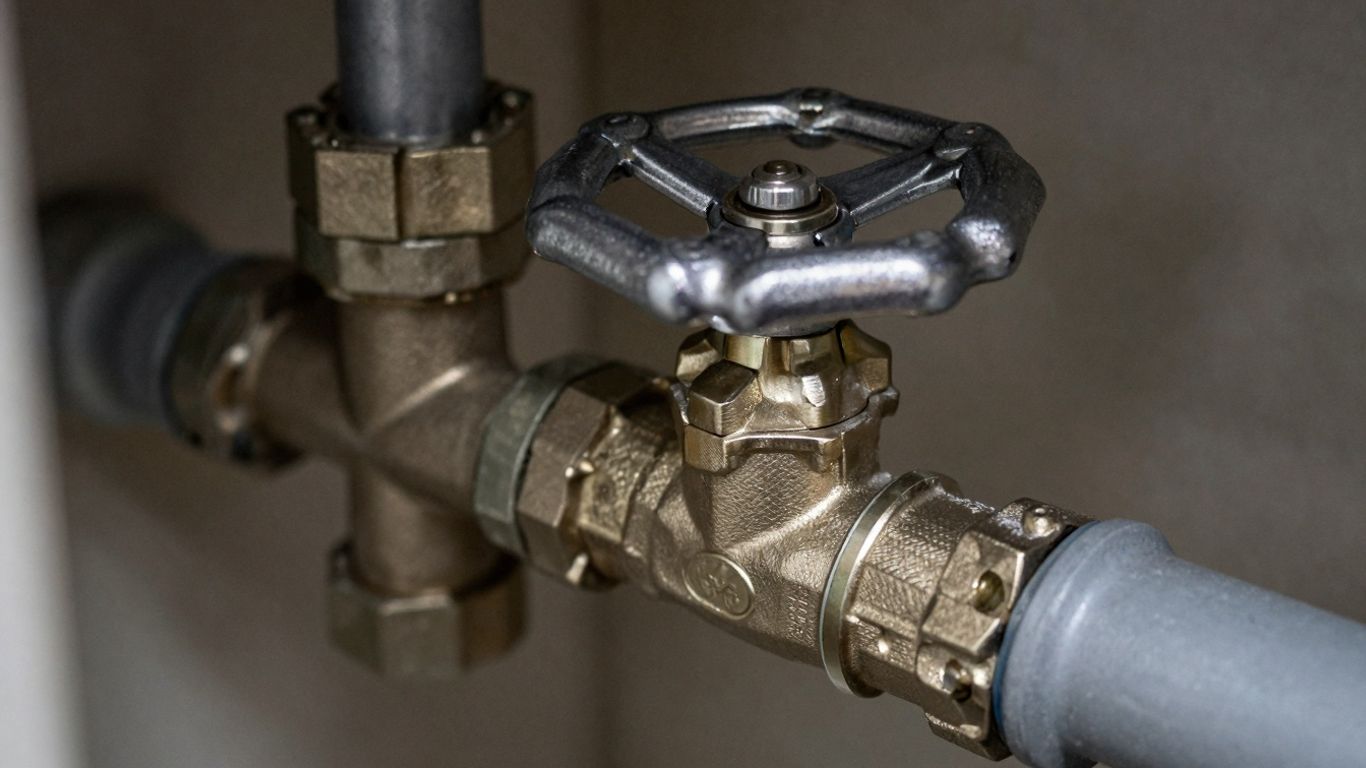
Think of your home’s water shutoff valve as the main gatekeeper for all the water coming into your house. It’s a pretty simple device, really, but it’s super important for managing water flow and handling emergencies. When it’s in the ‘on’ position, water can flow freely through your pipes to all your faucets, showers, and appliances. But when you need to stop that flow, like during a plumbing repair or if you spot a Leaking Water Shutoff Valve, you just turn this valve.
Most main water valves work by using a handle or a knob that you turn. For example, a common type is the ball valve, which has a handle that rotates a ball with a hole through it. When the hole is lined up with the pipe, water flows. Turn the handle 90 degrees, and the solid part of the ball blocks the hole, stopping the water. Other types, like gate valves, use a different mechanism, but the end goal is the same: to block or allow water.
Knowing your main water valve location is key. It’s usually found where the water line first enters your home, often in a basement, crawl space, or utility closet. Sometimes, there’s an exterior shutoff valve near the street or your water meter, which is handy for emergency water control.
Here’s a quick rundown of how it works:
- Open Position: The internal mechanism (like a ball or gate) is moved aside, creating a clear path for water to travel through the pipes.
- Closed Position: The mechanism is rotated or moved to block the pipe’s opening, completely stopping the water supply to your entire house.
- Partial Turn: Some valves allow for a slight restriction of water flow, though this isn’t their primary function and can sometimes cause issues.
The ability to quickly shut off your home’s water supply is not just about convenience; it’s a critical step in preventing widespread water damage. A functioning shutoff valve acts as your first line of defense against burst pipes or major leaks.
If you’re unsure about your main water valve location, it’s a good idea to find it now, before you actually need it. This simple device is your primary tool for effective water flow management and essential emergency water control.
Types of Water Shutoff Valves Used in Ottawa Homes
When you’re thinking about the water shutoff valve in your Ottawa home, it’s not just one single thing. There are actually a few different kinds, and they do slightly different jobs. Knowing them helps you understand what’s what.
First off, you’ve got your main water shutoff valve. This is the big one, the master switch for all the water coming into your house from the city supply. It’s usually located where the water line enters your home, maybe in the basement, crawl space, or a utility closet. If you ever have a major leak or need to turn off water for a big repair, this is the valve you’d use. It’s super important for emergencies.
Then, you have the smaller, more localized shutoff valves. These are found on individual plumbing fixtures. Think about the valves under your sink for the hot and cold water lines, or the one behind your toilet. These are great for when you just need to work on a specific faucet or toilet without shutting off the water to the whole house. They’re really handy for routine maintenance or minor fixes.
Lately, with modern homes and things like tankless water heaters, you might also see newer types of valves. These are often ball valves, which are known for being really reliable and easy to turn. Unlike older gate valves that can get stiff and hard to operate over time, ball valves tend to work smoothly for a long time. They offer a good seal and are generally considered more durable.
Here’s a quick rundown of common types:
- Gate Valves: These are older style valves that use a gate to block water flow. They’re usually found in older homes. They can be a bit tricky to operate if they haven’t been used in a while.
- Ball Valves: These are more modern and use a ball with a hole through it. Turning the handle lines up or blocks the hole. They’re known for being easy to use and very reliable.
- Globe Valves: You might see these in some heating systems or specific applications. They control flow by raising or lowering a plug into a seat.
It’s worth noting that the type of valve you have can impact how easily it operates and how long it lasts. Older homes might have older valve technology that’s more prone to issues down the line. Upgrading to more modern valves, especially the main shutoff, can be a smart move for peace of mind.
When it comes to your home’s plumbing, understanding these different valves is the first step to making sure everything runs smoothly and you’re prepared for anything.
Why Every Ottawa Home Needs a Properly Working Water Shutoff Valve
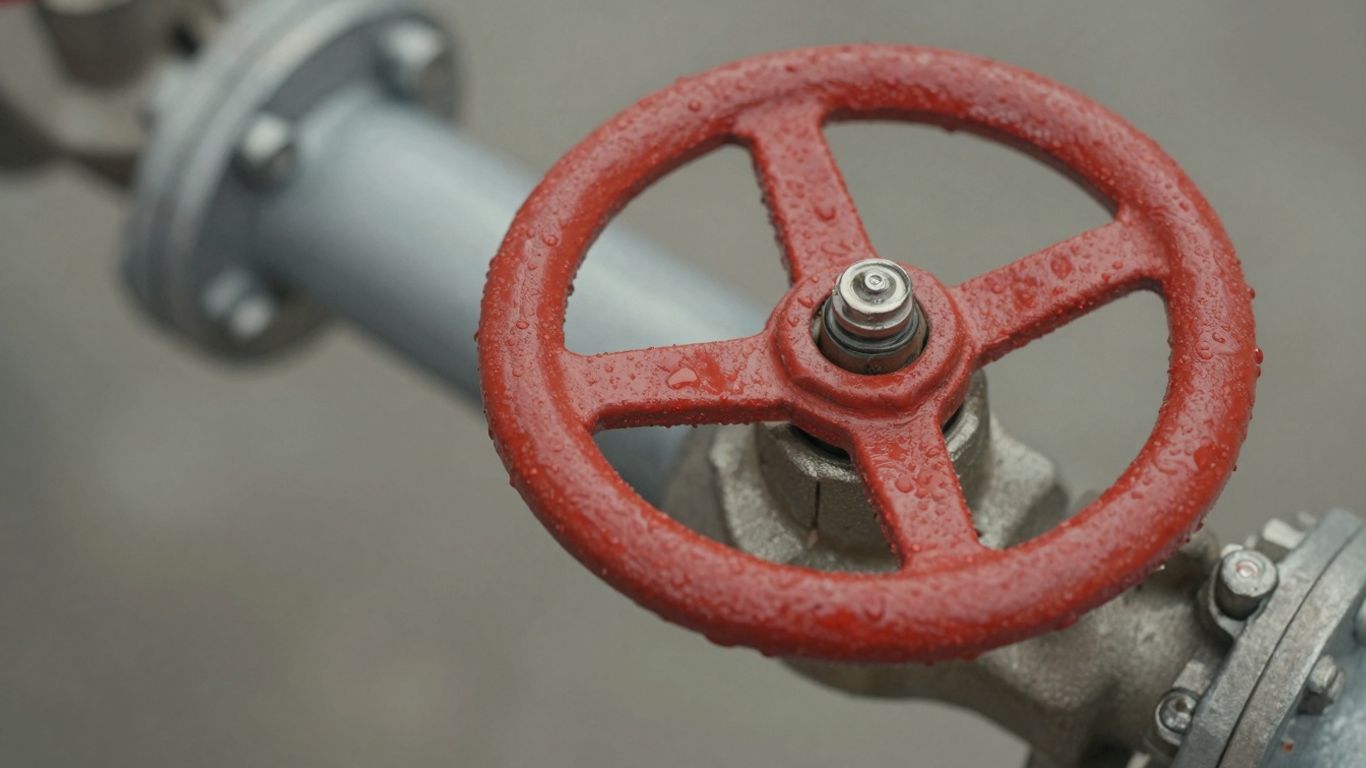
Okay, so you might be thinking, “Do I really need to worry about this water shutoff valve thing?” The short answer is a resounding yes, especially if you live in Ottawa. This little valve is your home’s emergency brake for water. Without a working shutoff valve, a small leak can quickly turn into a major disaster, causing thousands in damage and a whole lot of stress.
Think about it. Plumbing issues can pop up out of nowhere. A pipe could burst in the winter, a fixture might start leaking uncontrollably, or maybe you’re heading out of town for a while and want that extra peace of mind. In any of these situations, being able to quickly shut off the main water supply to your house is absolutely key. It stops the problem right in its tracks, preventing water from flooding your basement, ruining your belongings, and creating a breeding ground for mold.
Here’s why having a reliable shutoff valve is so important:
- Emergency Preparedness: It’s your first line of defense against sudden leaks or bursts. A quick turn of the valve can save your home.
- Repair Convenience: When you need to fix a leaky faucet or replace a toilet, you don’t want to have to shut off water to the entire street. The main shutoff valve makes these localized repairs simple.
- Preventing Water Damage: Even a slow, persistent leak can cause significant damage over time. A functioning valve stops this before it becomes a costly problem.
- Peace of Mind: Knowing you have control over your home’s water supply, especially when you’re away, is a huge relief.
Sometimes, people don’t realize how critical this valve is until it’s too late. They might have an old, corroded valve that’s seized up or doesn’t seal properly. Trying to turn it in an emergency might just break it completely, leaving you with no way to stop the water.
It’s easy to overlook the main water shutoff valve because, thankfully, we don’t need to use it every day. But its importance can’t be overstated. It’s a simple piece of equipment that provides a powerful safety net for your home against the unpredictable nature of water.
Signs Your Water Shutoff Valve Is Failing
You might not think about your water shutoff valve much, until you really need it. Then, if it doesn’t work right, it can cause a whole lot of stress and damage. So, how do you know if yours is on its last legs?
Here are some common indicators that your shutoff valve might be on the fritz:
- Water still trickles out: This is a big one. If you turn the valve off completely and water is still dripping or flowing from your fixtures, the valve isn’t sealing properly. It’s like trying to close a door that’s warped – it just won’t shut tight.
- It’s tough to turn: Does the handle feel stiff, rusted, or just plain stuck? A valve that’s hard to operate is unreliable. In an emergency, you need to be able to shut off the water quickly, and a stubborn valve can really slow you down.
- Visible corrosion or leaks: Take a look at the valve itself. Do you see rust, mineral buildup, or any signs of water seeping out around the handle or stem? These are clear warnings that the valve is deteriorating.
- Strange noises: Sometimes, a failing valve can make odd sounds, like grinding or squeaking, when you try to operate it. This usually means internal parts are worn out or damaged.
A valve that’s difficult to turn or shows signs of corrosion isn’t just an inconvenience; it’s a potential disaster waiting to happen. It means that when you most desperately need to stop the flow of water, the valve might fail you, leading to significant water damage. It’s better to address these issues proactively than to wait for a flood.
If you’re experiencing any of these issues, it’s a good idea to have a plumber check it out. They can properly inspect your shut-off valve and determine if it needs repair or replacement. Don’t wait until a small problem becomes a major water emergency.
How to Test a Water Shutoff Valve Safely
Knowing how to test your home water main valve is a smart move. It’s not something you do every day, but when you need it, you really need it to work. Think of it like checking the fire extinguisher – you hope you never have to use it, but you definitely want to know it’s ready.
So, how do you give it a quick check-up without causing a flood? It’s pretty straightforward.
- Locate Your Main Shutoff Valve: First things first, you need to know where it is. For most Ottawa homes, this is usually outside, near the front of your property, often between the sidewalk and the curb. It might be under a metal or plastic cover, sometimes labeled “water meter.” If you can’t find it, check any property inspection reports you have, or don’t hesitate to ask a professional.
- Turn It Off: Once you’ve found it, give it a turn. Most valves turn clockwise to shut off the water. You might need a wrench or a specific tool depending on the type of valve. The key is to turn it until it stops, but don’t force it if it feels stuck.
- Check for Water Flow: Now, go inside your house and turn on a faucet, like the one in your kitchen sink. If the valve is working correctly, no water should come out, or at most, just a trickle that quickly stops. This confirms the valve is effectively stopping the main water supply.
- Turn It Back On: After confirming it works, turn the valve back on (usually counter-clockwise) until it’s fully open again. Then, check the faucet again to make sure water is flowing normally.
It’s important to remember that while testing is good, if you encounter significant resistance or the valve doesn’t seem to shut off the water completely, it’s a sign it might need professional attention. Forcing a stuck valve can cause more damage, and a valve that doesn’t seal properly is a risk.
If you’re unsure about any step or if the valve seems problematic, it’s always best to call a licensed plumber. They can properly assess and service the valve, ensuring it’s in good working order for any plumbing safety tips you might need to follow.
Water Shutoff Valve Maintenance and Replacement in Ottawa
Keeping your home’s water shutoff valve in good working order is pretty important, especially here in Ottawa. It’s not something you think about until there’s a problem, but regular check-ups can save you a lot of headaches and potential water damage down the line. Think of it like getting your car’s brakes checked – you don’t wait for them to fail, right?
So, when should you actually think about maintenance or replacement? Well, if you notice water still dripping even when the valve is fully closed, that’s a big sign it’s not sealing properly anymore. Also, if the handle feels super stiff, rusted, or just plain difficult to turn, it might be time for a change. You don’t want to be fumbling with a stuck valve during an actual emergency. Old valves can just give out without warning, and while repairs might seem like a quick fix, replacing it with a new, reliable one is usually the better long-term solution. This is where professional Ottawa plumbing services come in handy.
Here are a few things to keep an eye on:
- Difficulty Operating: If the valve is hard to turn, it could be due to corrosion or mineral buildup.
- Leaks: Even a small drip from the valve stem or handle means it’s not sealing correctly.
- Visible Corrosion: Rust or significant wear on the valve body suggests it’s degrading.
- Outdated Models: Older valves might not meet current safety standards or be as durable.
When it comes to maintenance, a good rule of thumb is to have your main shutoff valve inspected annually by a licensed plumber. They can check for leaks, ensure it operates smoothly, and give you a heads-up if it’s showing signs of wear. This is also a good time to discuss other plumbing needs, like faucet installation & repair, or even water softening service if you’re looking at improving Ottawa water quality.
Replacing a faulty shutoff valve before it causes a major leak is always more cost-effective than dealing with the aftermath of water damage. It’s a proactive step that protects your home and your belongings.
If you’re planning renovations, especially involving areas like Shower repair and installation, it’s a perfect opportunity to assess and potentially upgrade your shutoff valves. For more extensive work, or if you’re dealing with issues related to Sewer and septic maintenance, a plumber can ensure all your plumbing systems are up to par. Don’t wait for a crisis; a little preventative care goes a long way in keeping your Ottawa home safe and dry.
Conclusion – Protect Your Home Before an Emergency Happens
So, we’ve talked about what these shutoff valves are, how they work, and why having a good one is a big deal for any homeowner in Ottawa. It really comes down to being prepared. Plumbing problems don’t exactly send out an invitation before they show up, and when they do, things can get messy – and expensive – really fast. Having a working main water shutoff valve is your first line of defense against serious water damage prevention.
Think about it: a burst pipe in the middle of the night or a leaky appliance that suddenly goes haywire. If you don’t know where your main shutoff is or if it’s even working, you’re basically just watching the water damage spread. It’s like having a fire extinguisher but not knowing where it is when the smoke alarm goes off.
Here’s a quick rundown of why this matters:
- Immediate Control: You can stop water flow to your entire house instantly, limiting damage.
- Cost Savings: Preventing a flood saves you from costly repairs to your home’s structure, belongings, and finishes.
- Peace of Mind: Knowing you can handle a plumbing emergency reduces stress when the unexpected happens.
Don’t wait for a disaster to realize the importance of your main water shutoff valve. Regular checks and knowing its location can save you a lot of headaches and money down the road. It’s a simple step that offers significant protection.
If you’re unsure about your valve’s condition or can’t locate it, now is the time to get it checked out. A quick inspection by a professional plumber can confirm it’s working correctly or identify if it needs repair or replacement. It’s a small investment for big protection. Be proactive; your home will thank you for it.
Don’t wait for a disaster to strike! Taking steps now to secure your home can save you a lot of trouble later. Think about what could go wrong and get ready. For expert help with keeping your home safe and sound, visit our website today!
Don’t Wait for a Flood: Get Your Shut-Off Valve Checked
So, there you have it. Knowing how your water shut-off valve works and where it is can save you a lot of headaches, and maybe even some serious damage to your home. It’s not the most exciting topic, I know, but it’s one of those things that’s way better to have and not need, than to need and not have. Think of it like having a fire extinguisher – you hope you never have to use it, but you’re really glad it’s there if things go wrong. For folks here in Ottawa, getting a licensed plumber to take a look, especially if your valve is old or acting up, is a smart move. It’s a small step that can prevent a big mess down the road. Seriously, don’t put it off.
Frequently Asked Questions – Water Shutoff Valve
What is a water shutoff valve and why is it important?
A water shutoff valve is like a gatekeeper for your home’s water. It lets you stop the flow of water to your entire house or just to specific fixtures. Having one that works correctly is super important because it can save your home from major water damage if a pipe bursts or a leak happens.
How can I tell if my shutoff valve isn’t working right?
If you notice water still dripping even after you’ve turned the valve off, that’s a big clue. Also, if the valve is really hard to turn, looks rusty, or feels stiff, it might be failing and needs attention. It’s better to check before it becomes an emergency.
Are there different kinds of shutoff valves in my home?
Yes, there are usually two main types. The main water shutoff valve controls all the water coming into your house – it’s your emergency stop button. Then, there are smaller shutoff valves located near things like toilets, sinks, and water heaters, which let you turn off water to just that one item.
How often should I check my shutoff valves?
It’s a good idea to give your shutoff valves a quick look about once a year. Make sure they turn smoothly and don’t show any signs of rust or leaks. This simple check can help you catch problems early.
Can I replace a shutoff valve myself?
While it might seem like a simple job, it’s usually best to call a professional plumber in Ottawa. They know how to make sure the new valve is installed correctly, follows all the rules (plumbing codes), and works perfectly. Doing it yourself could lead to leaks or bigger problems later.
What happens if my main water shutoff valve breaks during an emergency?
If your main shutoff valve fails during an emergency, like a burst pipe, you won’t be able to stop the water flow to your house. This could lead to serious flooding and costly damage to your home’s structure, belongings, and finishes. That’s why ensuring it’s in good working order is so critical.

