
- August 20, 2025
- - In category: Blog
Your home’s pipes are like its veins, carrying essential fluids. Over time, these pipes can get worn out, leading to all sorts of annoying problems. If you’re in Ottawa and noticing things like slow drains or weird smells, it might be time to think about hiring a pipe lining Repair contractor in Ottawa. This modern fix can save you a lot of hassle and money compared to old-school methods. Let’s dive into what pipe lining is all about and why it’s a smart choice for homeowners here.
Key Takeaways
- Pipe lining creates a new, strong pipe inside your old one using resin, fixing leaks and cracks without major digging.
- It’s a less disruptive alternative to traditional pipe replacement, saving your yard and your time.
- Watch out for signs like slow drains, bad smells, or sewage backups – these could mean you need pipe lining.
- While similar to pipe bursting, lining is better for cracks and corrosion, whereas bursting replaces the pipe entirely.
- Choosing experienced professionals in Ottawa ensures the job is done right with the right tools for lasting results.
What is Pipe Lining Ottawa?
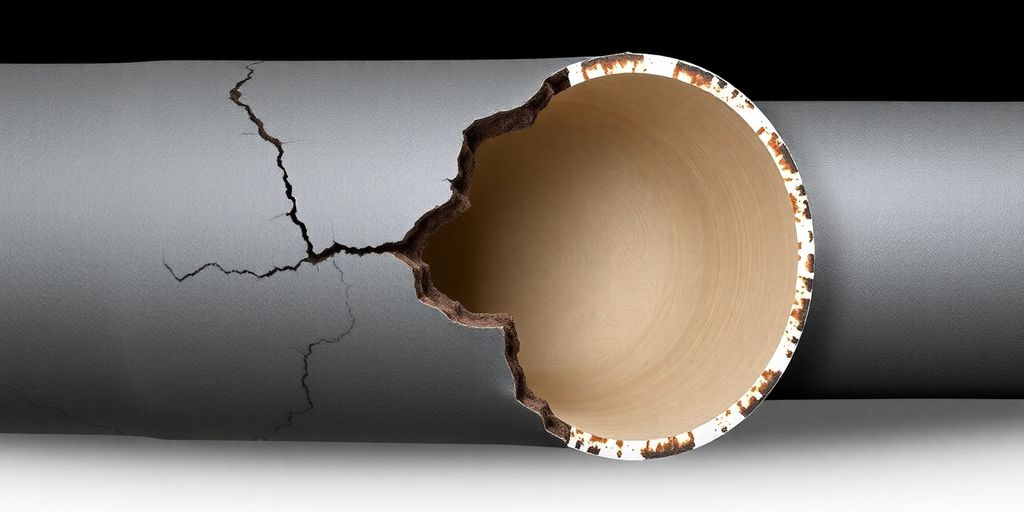
Pipe lining is a pretty neat way to fix up old, damaged pipes without having to tear up your whole yard. Think of it like giving your existing pipes a brand new, seamless inner tube. It’s a trenchless method, which means no massive digging is involved. Instead, a special flexible tube, coated with resin, is inserted into the damaged pipe. Once it’s in place, it gets inflated, pressing the resin against the old pipe’s walls. After the resin cures, you’re left with a strong, new pipe inside the old one. This process is a real game-changer for residential pipe relining.
How it Works
So, how does this magic happen? It’s pretty straightforward:
- Inspection: First off, a camera is sent down your pipes to see exactly what’s going on. This helps figure out the extent of the damage and if pipe lining is the right fix.
- Cleaning: The pipes need to be super clean for the new liner to stick properly. So, they get a thorough cleaning to remove any gunk or debris.
- Lining: The resin-coated liner is then pulled into the pipe and inflated.
- Curing: The liner is left to harden, creating that new, durable pipe.
Problems Pipe Lining Solves
This method is great for tackling a few common pipe headaches:
- Corrosion: Old pipes can rust and decay from the inside out. Lining stops this and adds years to the pipe’s life.
- Root Intrusions: Tiny cracks let tree roots sneak in. Relining seals these cracks, keeping the roots out.
- Joint Leaks: Where pipes connect, seals can fail. Lining reinforces these spots and stops leaks.
This trenchless approach is a big deal because it avoids the mess and disruption of traditional digging. It’s faster, cleaner, and often less expensive than ripping up your property.
For homeowners in Ottawa, understanding these solutions is key to maintaining a healthy plumbing system. It’s a modern fix for an age-old problem, and it’s good to know about options like residential pipe relining when your pipes start acting up.
Why Pipe Lining is the Best Choice for Ottawa Homes
When you’re dealing with a busted pipe in Ottawa, it can feel like a real headache. Digging up your yard to replace old pipes is a messy, expensive, and time-consuming process that most homeowners want to avoid. That’s where pipe lining comes in as a fantastic alternative. It’s a modern fix that gets your plumbing working like new without all the usual disruption.
Less Disruption, More Convenience
One of the biggest wins with pipe lining is that it’s not invasive. Instead of tearing up your floors, walls, or yard, technicians insert a special liner into your existing pipe. This liner is coated with epoxy, and once it’s in place and cured, it creates a brand-new, seamless pipe inside the old one. This means no major excavation, which saves your landscaping, driveways, and the overall structure of your home. It’s a much cleaner way to get the job done.
A Long-Lasting Solution
The new lining is tough and can last for decades, often outperforming traditional pipe materials. It seals cracks, stops leaks, and prevents roots from invading your sewer pipe linings — a common issue in older Ottawa neighborhoods. Think of it as giving your pipes a durable, protective shield.
Cost-Effective in the Long Run
While the initial cost might seem comparable to traditional methods, pipe lining often proves more economical over time. By avoiding the extensive labor and restoration costs associated with digging, you save money. Plus, the extended lifespan of the lined pipes means you won’t have to worry about replacements again for a very long time. It’s a smart investment in your home’s infrastructure, especially considering how our local climate can affect underground pipes. Many homeowners find this method aligns well with programs aimed at home protection, similar to the City of Ottawa’s Basement Flooding Protection Subsidy Program [f203].
Quick and Efficient
Compared to the weeks a full pipe replacement might take, pipe lining can often be completed in just a few days. This means less downtime for your plumbing system and less stress for you. The process typically involves an inspection, cleaning the existing pipe, installing the liner, and then curing it. It’s a streamlined approach that gets your home back to normal much faster.
Common Problems Solved by Pipe Lining Ottawa
Common Pipe Problems: Pipe Lining Fixes
Your home’s plumbing system is pretty important, and when it starts acting up, it can be a real headache. Old pipes, especially, can develop all sorts of issues over time. Luckily, pipe lining is a fantastic way to deal with many of these problems without tearing up your whole house. It’s a modern approach to sewer repair that makes a difference.
Here are some of the most common issues that pipe lining can solve:
- Corrosion and Rust: Older pipes, like cast iron ones, can rust from the inside out. This rust can break off, causing discolored water and reducing water flow. Pipe lining creates a smooth, new surface inside the old pipe, stopping further corrosion and improving water quality. It’s a great way to extend the life of your existing plumbing system.
- Cracks and Holes: Over the years, pipes can develop small cracks or even holes. These might not seem like a big deal at first, but they can lead to leaks and allow groundwater or soil to enter the pipe, causing blockages. Pipe lining seals up these breaches, effectively performing a leak repair and preventing further damage.
- Root Intrusion: Tree roots are notorious for finding their way into sewer pipe linings through even the tiniest openings. Once inside, they grow and can cause serious blockages or even break the pipe. Lining the pipe fills these entry points, stopping roots in their tracks and preventing future problems. This is a big deal if you have trees close to your sewer pipe linings.
- Joint Separation: The connections between pipe sections can weaken over time, leading to leaks. Pipe lining reinforces these joints, ensuring a watertight seal and preventing any wastewater from escaping. This is a common issue that can be easily fixed with this method.
When you notice things like frequent clogs, slow drains, or even foul odors, it’s often a sign that your pipes are struggling. Ignoring these symptoms can lead to more serious issues, like a completely broken sewer line, which is a much bigger and more expensive problem to fix. Think of pipe lining as a preventative measure as much as a repair solution. It’s a smart way to keep your plumbing running smoothly and avoid the hassle of major excavation. For those with older homes, especially those that might have a septic tank pumping schedule, ensuring the connecting pipes are in good shape is also key.
Pipe lining is a trenchless technology that creates a new relining within your existing pipe. It’s a less disruptive and often more cost-effective solution compared to traditional methods that require extensive digging. This means less mess, less damage to your property, and a quicker return to normal life. It’s a really practical way to handle common plumbing woes. This modern solution can save you a lot of trouble.
Pipe Lining vs Traditional Pipe Replacement
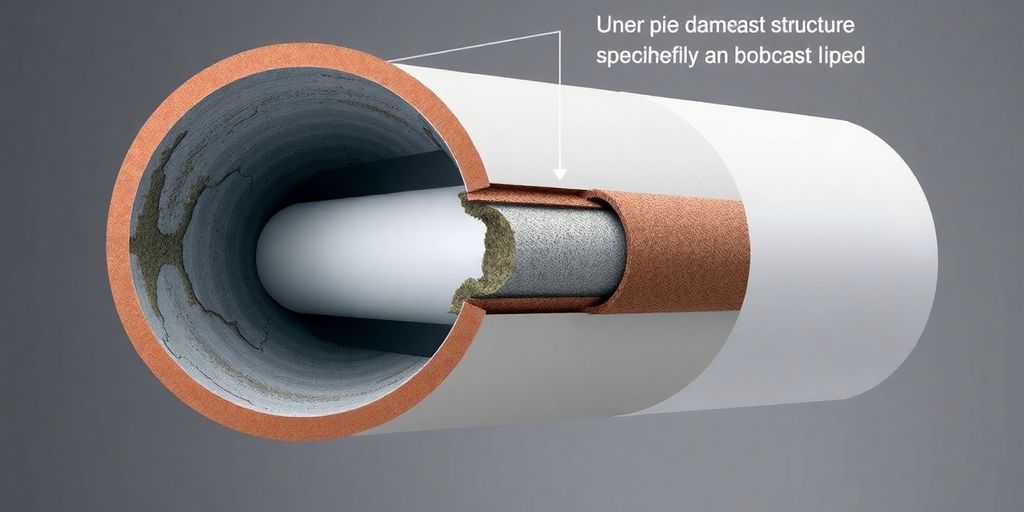 When your home’s pipes are acting up, you’ve got a couple of main ways to fix them. The old-school method, traditional pipe replacement, means digging up your yard. We’re talking trenches, heavy machinery, and a whole lot of disruption. It’s a big job, and honestly, it can mess up your landscaping. Plus, you might have to pack your bags for a few days while the work is happening.
On the flip side, pipe lining is a game-changer. It’s a “trenchless” solution, meaning we don’t need to excavate your entire yard. Instead, we use a special liner that gets inserted into your existing damaged pipe. Think of it like getting a new pipe inside the old one. This method is way less invasive, saving your lawn, garden, and any structures you have. It’s a much quicker process, too, often getting done in a fraction of the time.
Key Differences Summarized
Here’s a quick look at how the two methods stack up:
- Disruption Level: Traditional replacement is highly disruptive; pipe lining is minimally invasive.
- Time Commitment: Traditional methods take days or weeks; pipe lining can often be completed in a day or two.
- Cost: While the initial cost of pipe lining might seem higher, the savings on excavation and landscape repair often make it more economical overall.
- Suitability: Pipe lining is great for cracks, leaks, and corrosion. For completely collapsed pipes or when upsizing is needed, pipe bursting (another trenchless method) might be better.
When to Choose Which Method
- Choose Traditional Replacement If: Your pipes are severely damaged beyond repair, or if you need to significantly change the pipe’s size or material. This is also an option if you’re already planning major landscaping work.
- Choose Pipe Lining If: You have cracked, leaking, or corroded pipes, and you want to avoid extensive digging. It’s ideal for fixing common issues without disturbing your property. This is a fantastic option for most common sewer pipe linings repair needs.
Trenchless technology, like pipe lining, is becoming the go-to for homeowners who want efficient and less disruptive pipe repair. It addresses the problem directly without the collateral damage of digging.
Benefits of Trenchless Solutions
- Preserves Landscaping: No need to dig up your yard, protecting your trees, gardens, and patios.
- Faster Completion: Significantly reduces the time needed for repairs compared to traditional methods.
- Cost-Effective: Often saves money by eliminating the need for extensive excavation and restoration.
For many homeowners, especially those looking to update their plumbing without the hassle, pipe lining is the clear winner. It’s a modern approach to plumbing renovations that gets the job done right with minimal fuss.
Choosing the Right Pipe Lining Service in Ottawa
So, you’ve decided that Pipe Lining in Ottawa is the way to go for your home’s plumbing. That’s a smart move, especially when you’re looking at modern, less disruptive ways to fix your underground pipe solutions. But with a few companies out there offering these services, how do you pick the best one for your needs? It’s not just about finding any affordable ottawa plumber; you want someone who knows their stuff when it comes to drain pipe restoration.
What to Look For in a Pipe Lining Company
When you’re vetting potential services, keep a few key things in mind. Experience and reputation matter a lot. You want a company that has a solid track record in Ottawa and understands the specific challenges our city’s infrastructure might present.
Here are some points to consider:
- Licensing and Insurance: Always make sure the company is properly licensed and insured. This protects you and your property.
- Customer Reviews: Check online reviews and testimonials. What are past clients saying about their experience?
- Technology and Methods: Do they use up-to-date equipment for inspections and the lining process itself? Ask about their specific techniques.
- Warranties and Guarantees: What kind of warranty do they offer on their work? A good warranty shows confidence in their service.
- Emergency Services: Plumbing problems don’t always happen during business hours. Do they offer emergency plumber services if something goes wrong unexpectedly?
Understanding the Process and Your Needs
Before you even call, it’s good to have a basic idea of what pipe lining involves. It’s a form of trenchless pipe replacement, meaning a lot less digging and disruption compared to old-school methods. A camera inspection is usually the first step to see exactly what’s going on inside your pipes. This helps the service provider determine the best approach for your drain pipe restoration.
It’s important to get a clear explanation of the proposed work, including the materials they’ll use and the expected timeline. Don’t hesitate to ask questions until you feel completely comfortable with the plan.
Getting Quotes and Comparing Services
Once you’ve narrowed down your choices, get detailed quotes from a couple of different local plumber options. Make sure the quotes are itemized so you can see exactly what you’re paying for. Compare not just the price, but also the scope of work, the warranty offered, and the overall professionalism of the company. Remember, the cheapest option isn’t always the best value in the long run. Choosing a reputable company like Summit Drain can save you headaches down the road.
Tips to Maintain Your Newly Lined Pipes
After investing in pipe lining for your Ottawa home, keeping those newly reinforced pipes in good shape is pretty straightforward. It’s not like you have to do a whole lot, but a few simple habits can really make a difference in how long they last and how well they work. Think of it as giving your plumbing a little TLC.
What to Avoid Flushing
This is a big one. Even with a tough new liner, certain things just shouldn’t go down the drain. Things like paper towels, feminine hygiene products, and excessive amounts of grease or food scraps can still cause blockages. It’s best to stick to what the pipes are designed for – mostly just toilet paper and human waste. If you’re not sure if something is safe to flush, it’s probably best to toss it in the trash instead. This simple habit prevents a lot of potential headaches.
Be Mindful of What Goes Down the Kitchen Sink
Your kitchen pipes handle a lot, from food particles to grease. While pipe lining is robust, pouring hot grease or large amounts of food waste down the drain can still lead to issues over time. It’s a good idea to scrape food scraps into the trash or compost bin before rinsing dishes. For grease, let it cool and solidify, then dispose of it in the trash. Wiping greasy pans with a paper towel before washing can also help. These small steps reduce the buildup that can eventually cause problems, even in a lined pipe. For those in Ottawa, understanding these practices can help maintain the integrity of your plumbing system.
Regular Drain Cleaning and Inspection
Even with a new lining, periodic professional drain cleaning can be beneficial. This helps remove any minor buildup that might occur over time. Think of it like a tune-up for your pipes. Scheduling an inspection every few years can also catch any potential issues early on. A camera inspection, similar to the one done before lining, can confirm that everything is still in great condition. This proactive approach helps catch small problems before they turn into big, expensive ones. It’s a smart way to protect your investment in trenchless liner repair.
Maintaining your newly lined pipes is mostly about being aware of what goes down them and performing simple preventative actions. It’s not complicated, but it does require a little bit of attention to keep everything running smoothly for years to come.
Why Professional Pipe Lining is Key
- Skilled Technicians: People who know what they’re doing can handle tricky plumbing situations better.
- Modern Tools: The right equipment means the job gets done accurately and efficiently.
- Reliability: Good companies provide service you can count on, so you don’t have to worry.
What to Expect During the Process
- Inspection: They’ll use a camera to see exactly what’s wrong with your pipes.
- Cleaning: The inside of the pipe needs to be clean for the new lining to stick well.
- Lining Installation: A special tube is put inside and then inflated to create the new pipe.
- Curing: The liner hardens, forming a strong, new pipe within the old one.
Choosing pipe lining means you’re opting for a solution that’s less disruptive and often more cost-effective in the long run compared to traditional methods. It’s a modern fix for an old problem.
We’ve covered a lot of ground, and we hope this information was helpful. If you have any plumbing needs or questions, don’t hesitate to reach out.Visit our website to learn more about how we can help you!
How Do You Stop Water Pipes From Banging in Ottawa?
So, you’ve got banging pipes, also known as water hammer. It’s that sudden, loud noise that makes you jump. The good news is, there are ways to stop it.
First off, let’s talk about water pressure. Often, banging pipes are a sign that your home’s water pressure is too high. You can get a simple pressure gauge from a hardware store and check it yourself. If it’s consistently over 80 PSI, that’s likely your culprit. A plumber can install a pressure-reducing valve (PRV) to bring it down to a safe level, usually between 40-60 PSI. This is a pretty standard fix and can save your pipes a lot of stress.
Sometimes, the issue is simpler. Air can get trapped in your pipes, causing those banging sounds when water flows. You can try to release this trapped air. Here’s how:
- Turn off the main water supply to your house.
- Open all the faucets in your home, starting with the highest one and working your way down. Let them run until the water stops completely.
- Close all the faucets, then turn the main water supply back on slowly.
- Listen for the banging. If it’s gone, great! If not, you might need to repeat this or look at other causes.
Loose pipes can also be a source of noise. Over time, the straps or clamps holding your pipes in place might loosen. If you can safely access your pipes (like in a basement or crawl space), you might be able to secure them with new clamps or by tightening existing ones. Just be careful not to overtighten, as that can cause its own problems.
Conclusion
So, we’ve talked about what pipe lining is, why it’s a smart move for homes in Ottawa, and the common issues it fixes. We even compared it to the old-school way of digging everything up.
Ultimately, choosing pipe lining is about making a practical, long-term investment in your home’s plumbing. It’s a way to get your pipes working like new again without tearing up your yard or disrupting your life too much. Think of it as giving your pipes a durable, new inner skin that will last for years.
When you’re ready to get your pipes sorted, remember to look for a service that has experienced technicians and uses up-to-date equipment. It makes a big difference. Taking care of your pipes now means fewer headaches and expensive repairs down the road. It’s a solid choice for keeping your home comfortable and safe.
Frequently Asked Questions
What exactly is pipe lining?
Pipe lining is a cool way to fix old or broken pipes without digging up your yard. Imagine a strong, new pipe being made right inside your old one! A special tube soaked in goopy stuff is pushed into the damaged pipe. Then, it’s puffed up, like a balloon, and the goopy stuff hardens, making a brand-new, super-tough pipe inside the old one. It’s like giving your pipes a new, smooth lining that stops leaks and clogs.
What are the signs that I might need pipe lining ?
You might need pipe lining if you notice weird noises from your drains, like gurgling or banging. Also, if your sinks and tubs drain really slowly, or if you keep getting clogs, it’s a sign. Sometimes, you might even find sewage backing up into your toilet or shower, or notice a yucky smell coming from your drains. Even a patch of super-green grass in your yard could mean a leaky pipe underground!
Why is pipe lining Ottawa better than digging up and replacing pipes?
Pipe lining is great because it doesn’t need a lot of digging. Traditional pipe replacement means digging big trenches, which messes up your yard and can be really expensive. Pipe lining only needs a couple of small holes to get the new liner in. This saves your landscaping, your driveway, and your wallet. Plus, it’s usually a lot faster!
Can I fix noisy pipes myself, or do I need a plumber?
Sometimes, simple fixes like securing loose pipes might be something you can do. However, if the problem is due to high water pressure or something more complex inside your walls, it’s definitely best to call a professional plumber. They have the tools and knowledge to figure out the exact cause and fix it safely.
What kinds of pipe problems can pipe lining fix?
Pipe lining can fix things like small cracks, leaks, and corrosion inside your pipes. It makes the inside smooth again, which helps stop clogs from forming easily. It’s also really good for pipes that are starting to rust or break apart from the inside. It’s a strong fix that makes your pipes work like new again.
How do I choose a good pipe lining company in Ottawa?
When picking a pipe lining company in Ottawa, look for one with lots of experience. They should use the latest tools, like cameras, to check your pipes first, to make sure they know exactly what’s wrong. Good companies will explain the whole process clearly and give you a fair price upfront. It’s also smart to check if they are licensed and insured, so you know they’re professionals.
How can I take care of my pipes after they’ve been lined?
After your pipes are lined, try not to pour harsh chemicals or grease down your drains. Avoid flushing things that shouldn’t be flushed, like paper towels or wipes. Regular drain cleaning, maybe with a gentle flush of hot water, can help keep things flowing smoothly. Treat your new pipe lining with care, and it will last a long time!
What are the risks if I don’t fix banging pipes?
Ignoring banging pipes can lead to several problems. The constant shaking can weaken pipe connections, causing leaks that might lead to water damage inside your walls or ceilings. In the long run, it can put extra stress on your entire plumbing system, potentially leading to more expensive repairs later on.
What are the most common reasons for pipes to bang?
The most frequent cause is something called water hammer, which happens when water flow stops abruptly. Other reasons include high water pressure that’s too strong for your pipes, or pipes that might be loose and vibrating against walls or other structures.
