

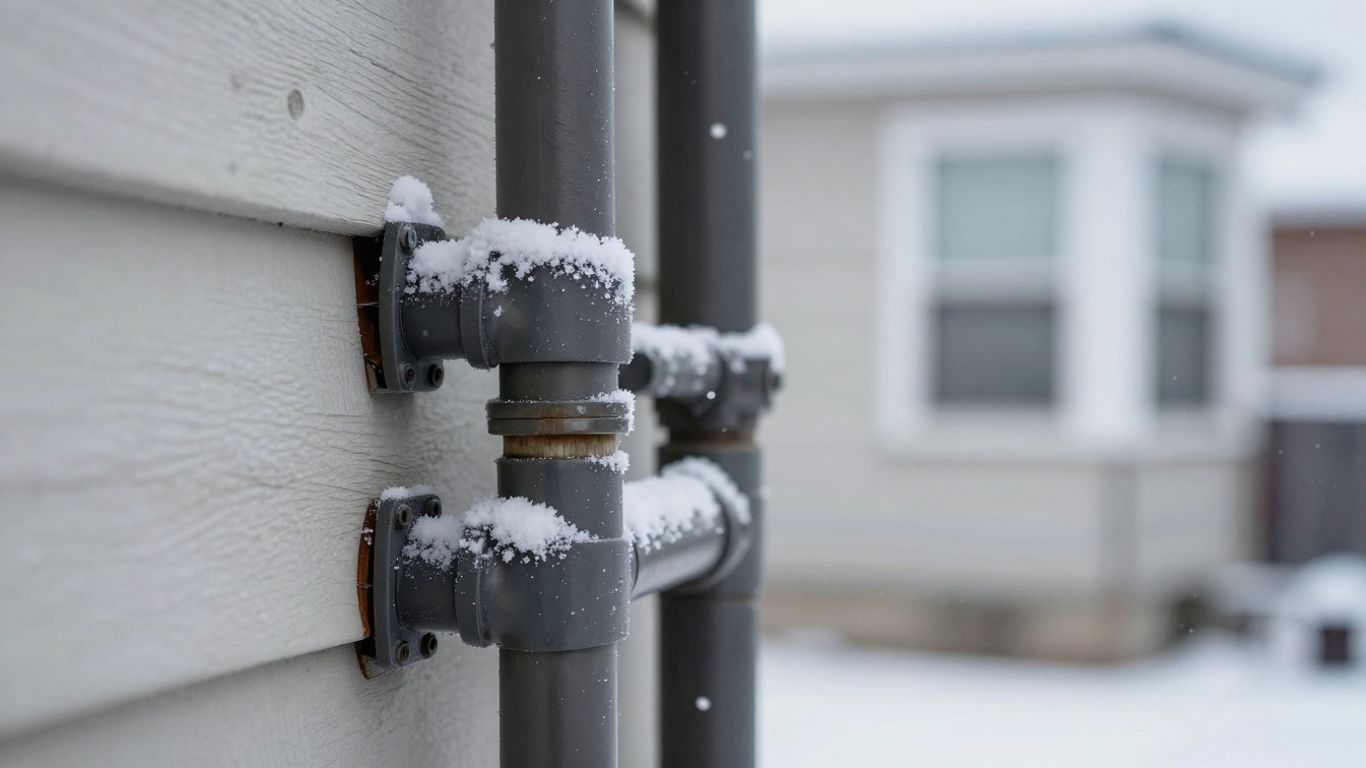
- January 9, 2026
- - In category: Blog
The leaves are changing, and while that’s pretty, it also means Ottawa’s cold winter is right around the corner. Before the serious chill sets in, it’s a good idea to give your plumbing a once-over. Ignoring your pipes now could mean dealing with frozen water, messy leaks, or even burst pipes when you least expect it. Taking some time for fall plumbing tips Ottawa homeowners can’t ignore will save you a lot of headaches and money down the road. Let’s get your home ready for the cold.
Key Takeaways
- Identify and fix any leaks, no matter how small, before freezing temperatures hit.
- Insulate exposed pipes in unheated areas like basements and garages to prevent them from freezing.
- Keep gutters and downspouts clear of leaves and debris to prevent water backup and foundation issues.
- Test your sump pump and check your water heater’s performance before winter demands increase.
- Know where your main water shut-off valve is and have an emergency plumber’s contact info handy.
Why Fall Plumbing Tips Ottawa Homeowners Can’t Ignore
Ottawa winters are no joke. We’re talking serious cold, the kind that can turn a minor plumbing issue into a major headache – and a costly one at that. Ignoring your pipes as the temperature drops is a gamble most homeowners can’t afford to take. Taking proactive steps now with fall plumbing tips can save you from a world of trouble when the real freeze sets in.
Think about it: when water freezes inside your pipes, it expands. This expansion creates immense pressure, and if your pipes aren’t ready, they can burst. Burst pipes mean water damage, which is a huge pain to deal with and can lead to thousands in repair bills. Plus, being without running water during a cold snap is just miserable. That’s why getting ahead of the game with specific fall plumbing tips for Ottawa is so important. It’s not just about convenience; it’s about protecting your home and your wallet.
Here’s a quick look at why this prep work matters:
- Prevent Costly Repairs: A small leak or a frozen pipe can quickly escalate into a major plumbing emergency, leading to expensive fixes.
- Avoid Water Damage: Burst pipes can flood your home, causing damage to walls, floors, and belongings.
- Maintain Comfort: Nobody wants to be without heat and hot water when it’s freezing outside.
- Protect Your Investment: Your home is a big investment, and proper maintenance helps preserve its value.
Many homeowners think plumbing issues only happen when something breaks. But with cold weather, it’s more about preventing the break from happening in the first place. It’s a different kind of maintenance, focusing on preparedness rather than reaction.
This is where reliable plumbing services come in. They can help identify potential weak spots before they become problems. So, when you hear about fall plumbing tips Ottawa residents should follow, take them seriously. It’s your best defense against Ottawa’s harsh winter weather.
Essential Fall Plumbing Tips For Ottawa Homeowners Should Follow Before Winter
Getting your plumbing ready for Ottawa’s chilly winters is a big deal. Ignoring it can lead to some seriously expensive headaches down the road, like burst pipes and water damage. So, before the real cold hits, there are a few key things every homeowner should tackle. It’s all about proactive plumbing maintenance before winter really sets in.
Here’s a quick rundown of what you should be looking at:
- Inspect all visible pipes: Check basements, crawl spaces, and attics for any signs of leaks, cracks, or corrosion. Pay extra attention to pipes running along exterior walls – they’re the most vulnerable.
- Seal up drafts: Cold air can sneak in through gaps around windows, doors, and where pipes enter your home. Sealing these spots not only helps keep your pipes warmer but also makes your home more energy-efficient.
- Check your water heater: Give it a good look-over. Flush out any sediment that might be lurking at the bottom, which can make it work harder and less efficiently. Also, check for any leaks around the unit.
- Keep drains clear: Make sure your sinks, showers, and especially your outdoor gutters and downspouts are free of leaves and debris. Clogged drains can lead to water backing up where you really don’t want it.
- Prepare outdoor fixtures: Drain any outdoor faucets and disconnect your garden hoses. Water left in these can freeze, expand, and damage the pipes connected to them.
Taking these steps now can save you a lot of trouble later. It’s better to spend a little time on prevention than a lot of money on emergency repairs.
Don’t forget to disconnect and store your garden hoses. Also, make sure to shut off the interior valves that supply water to your outdoor faucets. This simple act stops water from lingering in those vulnerable exterior sections of your plumbing system, which is a big win for preventing freeze-ups.
How to Prepare Your Pipes for Ottawa’s Cold Fall and Freezing Temperatures
As the leaves turn and the air gets that distinct crispness, it’s time to think about winter pipe preparation. Nobody wants to deal with a burst pipe when it’s freezing outside, right? It’s a messy, expensive headache. So, let’s get ahead of it.
First off, take a good look at any pipes that are exposed to the elements or are in unheated parts of your home. We’re talking about basements, crawl spaces, garages, and even pipes running along exterior walls. These are the ones most likely to freeze. The goal is to keep water from freezing and expanding inside them.
Here’s a quick rundown of what you should be doing:
- Insulate, Insulate, Insulate: Grab some foam pipe sleeves from the hardware store. They’re pretty easy to put on, just slip them over the pipes. For really exposed spots, you might consider heat tape or cables, but make sure you follow the instructions carefully. It’s better to be safe than sorry.
- Seal Up Drafts: Check around where pipes enter your house or go through walls. Any little gap can let cold air in and chill those pipes. Use caulk or spray foam to seal these up. It helps with heating costs too!
- Drain Outdoor Stuff: Don’t forget about your outdoor faucets (hose bibs). Disconnect your garden hoses and shut off the interior valve that supplies water to those outdoor taps. If you have a sprinkler system, make sure it’s properly drained too.
- Keep the Heat On: Even when you’re away for a short trip, don’t turn your heat completely off. Keeping your home at a minimum temperature, say around 15°C, makes a big difference. Moving water is harder to freeze, so letting faucets drip slightly during extreme cold snaps can also help, especially those connected to vulnerable pipes.
Knowing where your main water shut-off valve is located is super important. If the worst happens and a pipe bursts, shutting off the water quickly can save your home from a lot of damage. It’s a simple step, but one that’s often overlooked until it’s too late.
Following this cold weather plumbing advice now will save you a lot of trouble down the line. It’s all about being proactive before the real cold hits.
Insulate Exposed Pipes to Prevent Freezing in Ottawa Homes
 Ottawa winters are no joke, and one of the biggest headaches homeowners face is dealing with frozen pipes. It’s a real pain, and if you’re not careful, it can lead to a Sudden Pipe Burst at Home. The good news is, a lot of this can be avoided with some simple insulation.
The key is to identify and protect any pipes that are in colder areas of your house. Think about your basement, crawl spaces, garages, or even pipes that run along exterior walls. These are the spots that get hit hardest when the temperature plummets.
Here’s a quick rundown of what you can do:
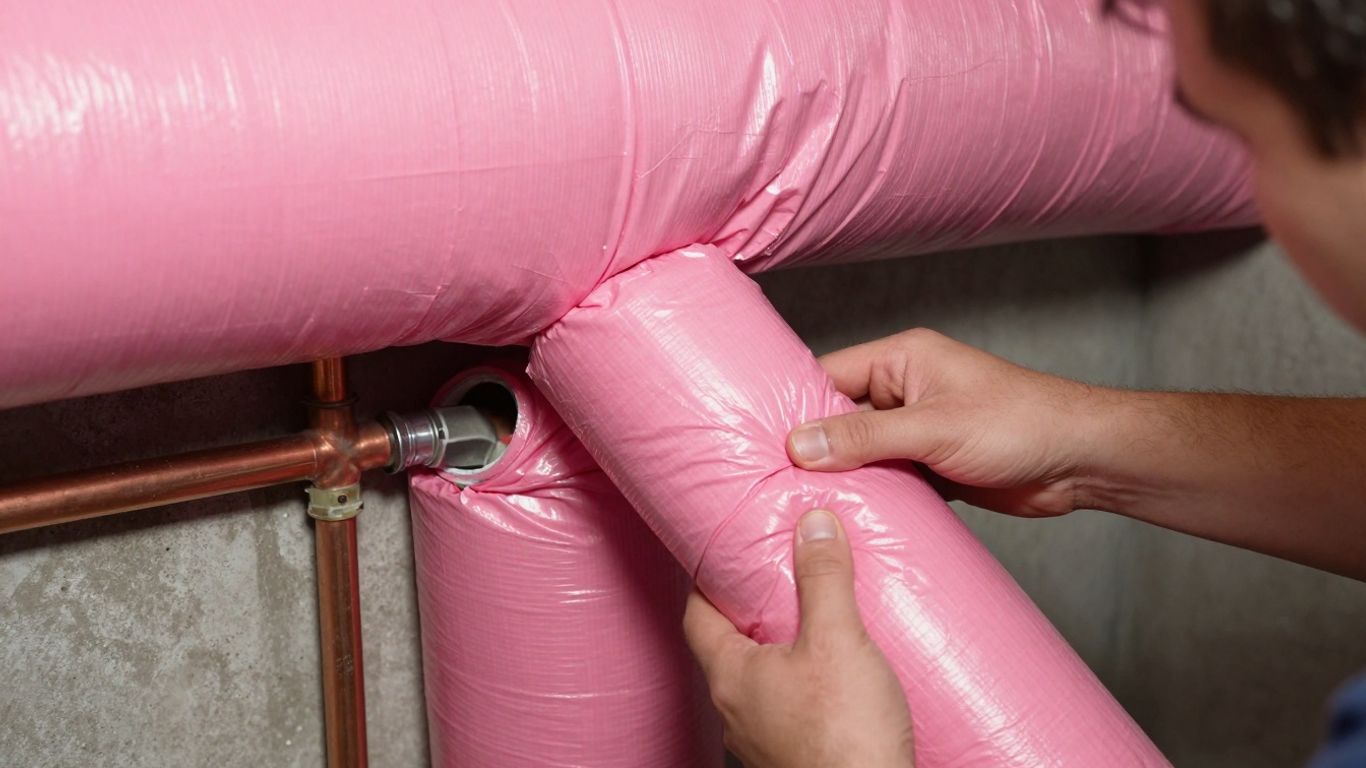
- Foam Pipe Sleeves: These are super easy to find at hardware stores and just slip right over your pipes. They’re a cheap and effective way to add a layer of protection.
- Heat Tape or Cables: For areas that are extra exposed or prone to extreme cold, consider using electric heat tape or cables. You wrap these around the pipes, and they provide a bit of warmth to prevent freezing. Just make sure to follow the manufacturer’s instructions carefully.
- Seal Air Leaks: Cold air can sneak in through tiny cracks and gaps, especially around where pipes enter your home or go through walls. Use caulk or spray foam to seal these up. It helps keep the warm air in and the cold air out, which is great for preventing frozen pipes.
- Insulated Covers for Outdoor Faucets: Don’t forget about those outdoor spigots! They’re often overlooked but are prime candidates for freezing. You can buy special insulated covers for them.
Taking the time to insulate your pipes might seem like a small task, but it can save you a massive headache and a lot of money down the line. It’s a proactive step that really pays off when the mercury drops.
If you’re unsure about which insulation materials to use or how to install them properly, it’s always a good idea to consult with a professional plumber. They can help you identify the most vulnerable spots and recommend the best solutions for your home. Protecting your plumbing is a smart move to avoid costly repairs and water damage, especially when you’re looking to prevent frozen pipes before winter truly sets in.
Fall Drain Maintenance Tips Ottawa Homeowners Need to Avoid Winter Blockages
As the leaves start to fall and the temperatures begin to dip here in Ottawa, it’s easy to forget about what’s happening below the surface. But your home’s drain pipes need some attention before winter really sets in. Ignoring them now can lead to some seriously unpleasant surprises when the cold weather hits.
Keeping your drain pipes clear in the fall is super important for preventing clogs and backups that get way worse when it’s freezing outside. Think about it: all those fallen leaves, dirt, and general gunk from the yard can easily find their way into your gutters and downspouts, and eventually, into your main drain lines. If these get clogged, water can back up, freeze, and cause all sorts of headaches, from minor inconveniences to major damage.
Here’s what you should be looking at:
- Gutters and Downspouts: Give them a good cleaning. Make sure there are no blockages that could send water pooling around your foundation or into your basement. Extend downspouts away from the house if they aren’t already.
- Interior Drains: Check sinks, showers, and floor drains. Pouring hot water down them can help clear out any minor buildup. For more stubborn clogs, a plunger or a drain snake might be needed. If you’re not comfortable tackling it yourself, it’s a good time to call for professional drain cleaning services in Ottawa.
- Sump Pump Check: If you have a basement, make sure your sump pump is working correctly. Test it by pouring water into the pit. You don’t want it failing when you need it most, especially if winter brings heavy snowmelt.
Regular drain maintenance isn’t just about preventing a messy backup. It’s about protecting your home’s structure from water damage, which can be much more costly to fix once the freezing temperatures arrive. A little effort now can save you a lot of trouble later.
Don’t wait until you have a slow drain or a full-blown blockage. Taking these simple steps now can make a big difference in keeping your plumbing running smoothly all winter long. If you’re finding persistent issues or just want a professional check-up, Our professional Ottawa plumbing Now offers 24/7 professional drain cleaning services that can get your system ready for the cold.
Water Heater Maintenance Tips for Fall Plumbing
Your water heater is a workhorse, especially when the temperatures drop and you need hot water for everything from long showers to washing those extra loads of laundry. Giving it some attention in the fall is a smart move.
Performing seasonal plumbing checks on your water heater can prevent cold-weather breakdowns and ensure a consistent supply of hot water. It’s not just about comfort; it’s about avoiding a major inconvenience when you least expect it.
Here’s what you should look at:
- Check for leaks: Look around the base of the unit and where the pipes connect. Even a small drip can turn into a big problem when it’s freezing outside.
- Inspect for rust or corrosion: Keep an eye out for any signs of rust, especially on the tank itself or the pipes leading to and from it. This can indicate internal issues.
- Flush the tank: Over time, sediment can build up at the bottom of your water heater. Flushing it out helps the unit run more efficiently and can extend its lifespan. You can usually find instructions for this in your owner’s manual, or you can call a professional.
If your water heater is getting on in years or you’re noticing it struggling to keep up, fall is the perfect time to consider an upgrade. Getting a new, efficient unit installed before winter hits means you won’t have to worry about it failing when you need it most. For reliable water heater service and repair services, you can contact Team Harding Comfort.
Taking care of your water heater now means you can count on reliable hot water throughout the winter. It’s a simple step that makes a big difference in your home’s comfort and your peace of mind, especially when it comes to your Drinking Water supply.
Sump Pump and Basement Plumbing Preparation Tips for Ottawa Fall Weather
Basements and sump pumps are often the first line of defense against water issues, especially with Ottawa’s unpredictable fall weather that can bring heavy rains and early thaws. Neglecting these areas can lead to serious water damage and costly repairs.
It’s really important to check your sump pump’s operation before the really cold weather hits. This means making sure it can handle any water that might accumulate, whether from rain or melting snow.
Here’s a quick rundown of what you should be looking at:
- Test the Sump Pump: Pour a bucket of water into the sump pit. The pump should kick on, clear the water, and shut off. If it doesn’t, or if it sounds strange, it’s time to call a professional.
- Inspect the Discharge Line: Make sure the pipe that carries water away from your house isn’t blocked or frozen. You don’t want water backing up into your basement.
- Check the Float Switch: This is what tells the pump when to turn on and off. Ensure it moves freely and isn’t stuck.
- Examine the Basement Plumbing: Look for any leaks or cracks in the pipes in your basement. Pay attention to areas where pipes enter the foundation. Cold air can sneak in through these spots and cause problems.
- Consider a Battery Backup: Ottawa can experience power outages, especially during storms. A battery backup for your sump pump means it will still work if the power goes out.
Keeping your basement dry and your sump pump in good working order is a big part of preventing winter headaches. It’s not the most glamorous part of home maintenance, but it’s definitely one of the most practical.
Don’t forget to also check any exposed pipes in your basement for signs of wear or potential freezing. Insulating these can be a simple but effective step. If you’re unsure about any of these checks, it’s always best to have a plumber take a look. They can spot issues you might miss and make sure everything is ready for whatever winter throws at us.
Common Fall Plumbing Problems Ottawa Homeowners Face Before Winter
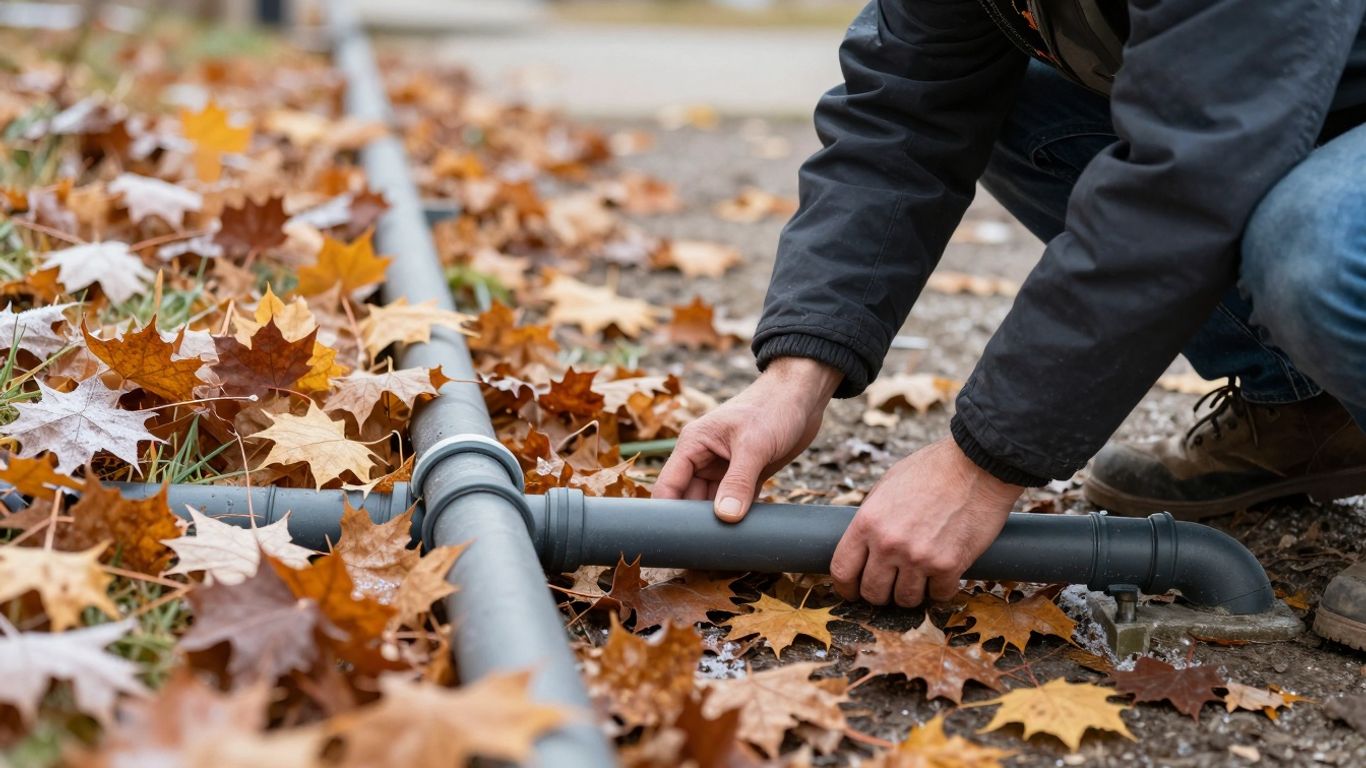 As the weather cools down in Ottawa, a few plumbing headaches tend to pop up more often. Ignoring these can lead to bigger, more expensive issues once the real cold hits. One common problem is slow or completely blocked drains. Leaves and other debris can make their way into your plumbing system, especially if you haven’t cleaned out your gutters and downspouts. This can cause water to back up, leading to potential flooding in basements or even damage to your fall in drainage pipe system. It’s not just about outdoor drains, either; indoor sinks and showers can get clogged too.
Another issue is the dreaded frozen pipe. While we usually think of this happening in the dead of winter, the groundwork is often laid in the fall. If you have pipes running along exterior walls or in unheated areas like garages or crawl spaces, they’re already at risk. Cold air seeping in through small cracks or gaps can start the freezing process, even before the deep freeze sets in. This is why sealing up those little openings is so important.
We also see an increase in issues related to fall for sewer pipe backups. Tree roots can start to infiltrate older sewer lines, and the increased moisture in the fall can exacerbate this problem. If you notice gurgling sounds from your drains or toilets that are slow to flush, it might be a sign of a deeper issue with your main sewer line. It’s definitely not something you want to deal with when the ground is frozen solid.
Finally, don’t forget about your outdoor fixtures. Frost-proof sillcocks are great, but if they weren’t properly winterized last year, or if you have older, non-frost-proof spigots, they can freeze and burst. This can lead to water damage inside your walls. It’s easy to forget about these things when the weather is still mild, but a quick check now can save you a lot of trouble later.
Addressing these common fall plumbing issues proactively is key. It’s about preventing small problems from becoming major disasters when Ottawa’s winter weather truly arrives. Don’t wait until it’s freezing outside to think about your pipes.
Conclusion
So, we’ve covered a lot of ground on getting your plumbing ready for Ottawa’s chilly season. It might seem like a lot, but taking these steps now can save you a massive headache later on. Think about it: a burst pipe in the dead of winter is no fun for anyone, and dealing with frozen pipes is a real pain. Being proactive is definitely the way to go.
Here’s a quick rundown of what we talked about:
- Insulate those exposed pipes: Especially in places like the basement or crawl spaces where the cold can really get in. This is a big one for preventing freezes. You can find materials to help with insulating exposed pipes at most hardware stores.
- Keep your drains clear: Fall leaves and debris can really clog things up, leading to bigger problems when the ground freezes.
- Check your water heater: Make sure it’s running efficiently and ready to handle the increased demand.
- Don’t forget the sump pump: If you have one, ensure it’s working properly to prevent basement flooding.
Taking a little time now to prepare your home’s plumbing can make a huge difference. It’s about avoiding those emergency calls and keeping your home comfortable and safe throughout the winter months. Don’t wait until the first deep freeze hits; get these tasks done now.
Remember, if you’re ever unsure about any of these steps or run into a problem, don’t hesitate to call a professional. They’ve seen it all and can help get things sorted quickly. Staying on top of your home maintenance is key to a stress-free winter.
Need a plumber you can trust? We’re here to help with all your plumbing needs, from fixing leaky faucets to bigger jobs. Don’t wait for a small problem to become a big mess. Visit our website today to learn more about our services and how we can help keep your home running smoothly.
Wrapping Up Your Fall Plumbing Prep
So, there you have it. Getting your pipes ready for an Ottawa winter doesn’t have to be a huge headache. A little bit of work now, like insulating those exposed pipes and checking for any sneaky leaks, can save you a ton of trouble down the road. Remember to keep an eye on things, especially when the really cold weather hits, and don’t hesitate to call in a pro if you’re unsure about anything. Staying on top of these simple steps means you can actually enjoy the cozy parts of winter without worrying about a plumbing disaster.
Frequently Asked Questions
How cold does it have to be for pipes to freeze in Ottawa?
Pipes can start to freeze when the temperature dips below freezing, especially if they are in places that aren’t heated or are exposed to the wind. It’s most risky when it stays very cold for a long time, below -15°C. Pipes near outside walls or in spots without insulation are in danger even when it’s not quite as cold.
Should I let my faucets drip when it’s super cold to stop pipes from freezing?
Yes, letting your faucets drip a little during really cold spells can help stop pipes from freezing. Water that’s moving is much harder to freeze than water that’s just sitting there. Try to do this for faucets connected to pipes that are on outside walls or in unheated areas. Even a tiny drip can make a big difference.
What’s the best way to insulate pipes in Ottawa?
Foam pipe sleeves are a great choice for most people to put on themselves. They’re cheap, easy to put on, and work well for most situations. If you live in a really cold spot, you might want to use heat tape or cables along with the foam insulation for extra protection. Make sure the insulation fits your pipes and is good for the cold weather where you live.
Can I do my own cold weather plumbing checks, or do I need a professional?
You can definitely handle the basic winter prep yourself, like putting on pipe insulation, disconnecting hoses, and draining outdoor faucets. But, it’s a good idea to get professional help for trickier jobs, like installing heat cables, making big upgrades to your plumbing, or if you keep having problems with freezing pipes. Getting a check-up from a plumber once a year is also smart for complete protection.
What should I do right away if a pipe bursts?
The very first thing to do is turn off your home’s main water supply to stop the flooding. Then, turn off your water heater to avoid damaging it. Open up your faucets to let any leftover water drain out. After that, call an emergency plumber immediately. While you wait, try to remove any standing water and move your belongings to a dry spot. Take pictures of the damage for your insurance company.
What are the signs that my pipes might be freezing?
Watch out for signs like less water coming out of your faucets, seeing frost on pipes that are exposed, hearing weird noises when you turn on the water, or noticing strange smells from your drains. These could mean your pipes are starting to freeze.
Besides insulation, what else can I do to keep my pipes from freezing?
Make sure your home stays warm enough by keeping your thermostat set to at least 15°C, even when you’re not home. You can also open cabinet doors under sinks to let warm air circulate around the pipes. Keep interior doors open too, so heat can move around your house evenly. Never turn off your heating system completely in the winter.
When should I start preparing my plumbing for winter in Ottawa?
It’s best to start your fall plumbing preparations in September and October, before the really cold weather hits. This gives you plenty of time to inspect everything, do any necessary repairs, and get pipes insulated. Don’t wait until the first freeze to start getting ready!

