He is the founder and lead plumbing specialist at Clean Stream Plumbing in Ottawa. With over 15 years of experience in residential and commercial plumbing, Phil specializes in emergency plumbing, drain cleaning, water softeners, and water heaters. His mission is to help homeowners and businesses maintain safe, efficient, and long-lasting plumbing systems. Through the Clean Stream Plumbing blog, Phil shares expert insights and practical tips to keep Ottawa’s water flowing clean and clear.
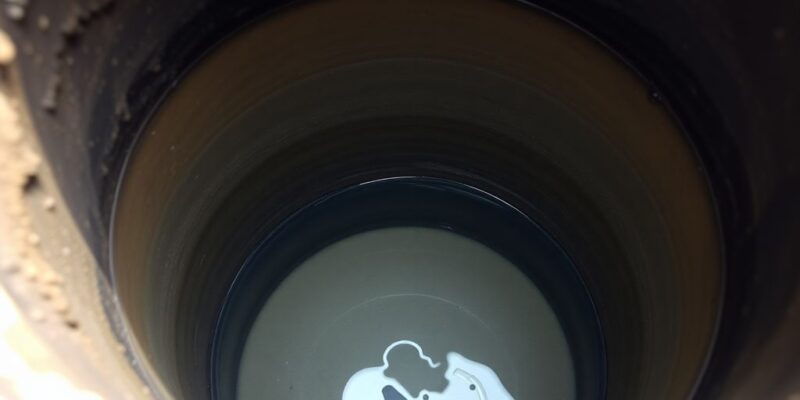
Clean septic tank interior with clear water.

How Septic Tank Pumping in Ottawa Supports Your Plumbing System

Your home’s plumbing system is pretty important, and if you’re not hooked up to city sewers, that means you’ve got a septic system. These systems handle all the wastewater from your house. Keeping that septic tank in good shape is key to avoiding messy problems down the line. That’s where regular septic tank pumping in Ottawa comes into play. It’s not just about cleaning; it’s about making sure everything works right and lasts as long as it should.

Key Takeaways

  • Regular septic tank pumping in Ottawa is vital for maintaining your plumbing system’s health and preventing costly issues.
  • Understanding how your septic system works helps you appreciate the need for consistent maintenance.
  • Ottawa-specific factors, like local soil conditions and regulations, can influence septic system needs and pumping schedules.
  • Recognizing warning signs like slow drains or bad smells means it’s time to schedule a pump-out.
  • Consistent maintenance, including proper pumping and inspections, extends the life of your septic system and protects your property and the environment.

What Is a Septic Tank Pumping in Ottawa?

A septic tank is a big, buried container that holds all the wastewater from your house before it gets treated. Think of it as the first stop for all the stuff that goes down your drains – sinks, toilets, showers, you name it. It’s a key part of a septic system, which is what many homes in areas without city sewer lines use to handle wastewater.

Inside the tank, things start to separate. Heavier solids sink to the bottom, creating a layer called sludge. Lighter stuff, like grease and oils, floats to the top, forming a layer called scum. The liquid in the middle, called effluent, is partially treated and then moves on to the next part of the system, usually a drainfield, for further filtering. Keeping this tank clean and functioning properly is super important for your whole plumbing setup. 


How a Septic System Works

So, how does a septic system work? It’s pretty neat. Think of it as your own private, underground wastewater treatment plant. When you flush the toilet or run the sink, that water, along with all the stuff in it, heads out to your septic tank. This tank is where the magic, or at least the science, begins.

Inside the tank, wastewater separates into three layers. The solids sink to the bottom, forming what’s called sludge. Fats, oils, and grease float to the top, creating a layer of scum. The liquid in the middle is then ready for the next stage of treatment. This separation process is key to how septic tanks work, breaking down waste before it moves on.

From the tank, the liquid wastewater flows into a drain field, also known as a leach field. This is usually a series of underground trenches filled with gravel and perforated pipes. The wastewater slowly trickles out of the pipes and filters through the soil. The soil and the naturally occurring bacteria in it do the final cleanup, removing any remaining contaminants before the water reaches the groundwater. It’s a pretty effective system when it’s working right, which is why regular maintenance, like pumping, is so important to keep it that way. You can learn more about how septic systems are designed to treat wastewater from our team.

Importance of Septic Tank Pumping

Ignoring your septic tank can lead to some pretty unpleasant and expensive problems down the line. Think of septic tank pumping in Ottawa as a regular check-up for your home’s plumbing backbone. When you don’t get it pumped out, all that sludge and scum build up. Eventually, it can get pushed into your drain field, which is the part of your system that filters the wastewater. Once that gets clogged, you’re looking at sewage backing up into your house or even surfacing in your yard. Not ideal, right?

Ottawa-Specific Factors

Living in Ottawa, we have our own set of things to consider. The soil types and groundwater levels here can affect how your septic system operates. Plus, our cold winters mean that freezing can be an issue if the system isn’t properly maintained. Regular pumping helps keep everything flowing smoothly, even when the weather gets tough. It’s about preventing those costly emergency calls you might find if you search for “septic tank pumping near me” when it’s already too late.

Septic Tank Service: Inspection, Repair & More

septic Tank being pumped by a service truckWhen it comes to your home’s plumbing, your septic system is a big deal, even if you don’t see it every day. Keeping it in good shape means regular check-ups and sometimes, a little fixing. Think of it like taking your car in for an oil change – you do it to prevent bigger problems down the road. That’s where professional septic tank service comes in. It’s not just about pumping; it’s about making sure the whole system is working right.

Tips for Maintaining Your Septic Tank

Taking care of your septic tank doesn’t have to be complicated. A few simple habits can make a big difference:

  • Be Mindful of What Goes Down the Drain: Avoid flushing things like grease, coffee grounds, paper towels, or harsh chemicals. These can clog the system or kill the beneficial bacteria that break down waste.
  • Conserve Water: Using less water means less wastewater going into your tank, which can extend the time between pump-outs.
  • Keep Records: Note when your tank was last pumped and inspected. This helps you stay on track with maintenance.
  • Protect the Drain Field: Avoid driving or parking heavy vehicles over your drain field, as this can damage the underground pipes.

Commercial Septic Repair and Service

septic Tank exterior with pumping truck hose connectionsWhen you run a business in Ottawa, a functioning septic system isn’t just a convenience; it’s a necessity. Unexpected septic issues can halt operations, create unpleasant environments for customers and staff, and even lead to costly environmental fines. That’s why having a reliable partner for commercial septic repair and service is so important for your Ottawa septic system maintenance.

Commercial septic systems often handle a higher volume of waste than residential ones, meaning they can experience problems more frequently if not properly maintained. Things like grease buildup from kitchens, heavy usage in restrooms, or even improper disposal of certain materials can all contribute to system failures. We understand the unique demands placed on commercial septic systems and offer a full range of services to keep them running smoothly.

Warning Signs You Need to Pump Your Septic Tank

Ignoring your septic system can lead to some pretty unpleasant situations. Keep an eye out for these common indicators that your tank needs attention:

  • Slow drains in sinks, toilets, or showers.
  • Gurgling sounds coming from your plumbing.
  • Foul odors around the septic tank or drain field.
  • Sewage backups into your building or onto your property.
  • Unusually green or lush patches of grass over the drain field, especially during dry weather.

How Often Should You Pump Your Septic Tank in Ottawa?

This depends on a few factors, including the size of your tank and how much wastewater your business generates. For most commercial establishments in Ottawa, pumping every one to three years is a good rule of thumb. However, if you have a high-volume operation, you might need more frequent pumping. We can help assess your specific needs and recommend a pumping schedule that works best for your business.

Conclusion

Keeping your commercial septic system in good working order is key to avoiding disruptions and protecting your property. Regular pumping, mindful usage, and prompt attention to any warning signs will go a long way. Don’t forget about the importance of drain field maintenance as well; it’s a vital part of the overall system’s health. If you suspect an issue or it’s simply time for routine service, reach out to us. We’re here to help keep your business running smoothly.

Is your business septic system acting up? We offer reliable commercial septic repair and service to keep your operations running smoothly. Don’t let septic issues disrupt your business. Visit our website today to learn more about our services and how we can help.

Protect Your Home with Routine Septic Tank Pumping

So, taking care of your septic tank isn’t just some chore you do once in a blue moon. It’s a big part of keeping your whole plumbing setup running smoothly here in Ottawa. Think of it like regular check-ups for your car – you do them to avoid bigger, more expensive problems down the road. When your septic tank is pumped out and looked after, it means less stress on your pipes, fewer surprise backups, and generally a happier home. It’s a simple step that makes a real difference for your property and the environment around us.

Frequently Asked Questions

How do I know if my septic tank needs pumping?

Your septic tank needs pumping when it’s full of solids. Think of it like a trash can; eventually, it needs to be emptied. If you notice slow drains, gurgling sounds in your pipes, or bad smells around your tank area, it’s probably time for a pump-out.

How often should I get my septic tank pumped in Ottawa?

In Ottawa, it’s generally recommended to pump your septic tank every 1 to 3 years. This depends on how much water your household uses and the size of your tank. A good rule of thumb is to get it checked regularly and pump it when it’s about one-third full of solids.

Why is pumping my septic tank so important?

Yes, pumping your septic tank is super important! It removes the sludge and scum that build up inside. This keeps your whole plumbing system working smoothly and prevents nasty backups or damage to your tank and the ground around it.

What are the signs that my septic system is failing?

Signs that your septic tank might be failing or needs serious attention include sewage backing up into your home, toilets flushing slowly, or unpleasant odors around your drain field or tank. Pooling water or overly green grass in the tank area can also be a red flag.

How can I take better care of my septic system?

You can help your septic system last longer by being mindful of what you flush down the toilet and drain. Avoid pouring grease, harsh chemicals, or non-biodegradable items like wipes down the drain. Also, try not to overload your system with too much water at once, like doing all your laundry in one day.

Can I pump my septic tank myself?

It’s best to hire a professional for septic tank pumping. They have the right equipment to safely remove the waste and dispose of it properly. Plus, they can often spot potential problems during the pumping process that you might miss.


Modern bathroom shower renovation in Ottawa.

Shower Installation Ottawa: Which Type of Shower Is Best for Your Bathroom Renovation

Thinking about updating your bathroom in Ottawa? A new shower can really change how the whole room feels. It’s not just about how it looks, either; the right shower can make your daily routine much better. We’ll walk through the different types of showers available and what to think about when you’re planning your Shower Installation in Ottawa.

Key Takeaways

  • Choosing the right shower for your Ottawa home renovation is important for both function and style.
  • Consider your bathroom’s space, existing plumbing, budget, and overall design when selecting a shower type.
  • Popular shower options include walk-in showers, shower-tub combos, corner showers, and steam showers, each with unique benefits.
  • The materials and fixtures you choose can impact durability, maintenance, and the overall aesthetic of your new shower.
  • Working with experienced professionals for your Shower Installation Ottawa ensures a quality result and a smooth process.

Shower Installation Ottawa: Choosing the Right Bathroom Shower

When you’re planning a bathroom renovation in Ottawa, picking the right shower is a pretty big deal. It’s not just about making things look nice; it’s about how you’ll use the space every single day. The shower is often the main event in a bathroom, so getting it right can totally change how you feel about the whole room. Making a thoughtful choice now means you’ll have a functional, comfortable, and stylish shower that you actually enjoy using for years to come.

Think about your daily routine. Are you someone who needs a quick rinse to get going in the morning, or do you prefer a long, relaxing soak to unwind? This will help guide your decision. For instance, if you’re tight on space, a corner shower or a shower-tub combo might be your best bet. Corner showers, often with angled glass doors, are great at tucking into tight spots without feeling too cramped. Shower-tub combos offer versatility, especially if you only have one bathroom and need to accommodate different needs, like bathing kids. However, if you’re aiming for a more modern, spa-like feel, a dedicated walk-in shower might be more your style. These can create a more open and accessible space, and you can find some great custom shower enclosure Ottawa options to fit your exact needs.

Here are some things to think about when you’re deciding:

  • Space: How much room do you actually have? Measure carefully and consider how a new shower will fit without making the bathroom feel cluttered. Don’t forget to think about door swings for things like glass shower doors in Ottawa.
  • Plumbing: Where are your existing water lines and drains? Moving plumbing can get expensive, so picking a shower that works with your current setup is usually the most budget-friendly path.
  • Budget: What’s your spending limit? Prices for a walk-in shower in Ottawa can vary a lot depending on the size, materials, and features you choose.
  • Lifestyle: Who uses the bathroom? Do you need something easy to clean, or something more luxurious? Accessibility is also a big factor for many homeowners.

Choosing the right shower type isn’t just about looks; it’s about making sure it works well with your bathroom’s physical layout and your everyday life. A well-planned shower installation will make your renovation a success.

When you’re looking at materials, consider things like tile, acrylic, or solid surfaces for the walls and base. Each has its pros and cons regarding cost, durability, and maintenance. For fixtures, think about the finish and the type of showerhead. Getting professional advice for your Shower Installation project can really help you sort through all the options and make sure you end up with a shower you’ll love.

Popular Types of Showers for Ottawa Bathrooms

When you’re planning a bathroom renovation, picking the right shower is a pretty big deal. It’s not just about how it looks, but how it fits into your life and your space. Let’s break down some of the most common options you’ll see.

  • Walk-in Showers: These are super popular right now, especially for a modern feel. They often have a low or no threshold, making them really easy to get into, which is great if you have any mobility concerns. You can customise them a lot, from the size and shape to the tile and fixtures. They often feature glass doors or panels, giving the bathroom a more open feel. For those looking for easier access, a barrier-free shower is a fantastic choice.
  • Shower-Tub Combos: These are the classic choices, especially if you have a smaller bathroom or a family with young kids. A shower-tub combo gives you the best of both worlds – you can take a quick shower or a long bath. They’re a practical option that fits into most standard bathroom layouts.
  • Corner Showers: If your bathroom is a bit tight on space, a corner shower, sometimes called a neo-angle shower, is a smart move. They’re designed to fit snugly into a corner, often using two walls of the bathroom and adding glass panels to create the enclosure. This design maximises floor space, making the whole room feel bigger.
  • Steam Showers: For a spa-like experience at home, a steam shower is the way to go. These are fully enclosed units that generate steam, creating a relaxing and therapeutic environment. They often come with built-in seating and multiple shower heads. While luxurious, they do require specific plumbing and ventilation setups, and can be a bigger investment.

Choosing the right shower type isn’t just about aesthetics; it’s about functionality and how well it integrates with your bathroom’s physical constraints. A well-planned shower installation will make your renovation a success.

Key Factors to Consider Before Installing a Shower

So, you’re thinking about a new shower for your Ottawa bathroom reno. That’s exciting! But before you get too far ahead of yourself, there are a few things you really need to think about. It’s not just about picking the prettiest one you see in a magazine, you know.

First off, let’s talk about your space and how you actually use it. How big is your bathroom? Can it handle a giant, spa-like shower, or are we talking about a more compact setup? And who’s using this shower? Is it just you, or is it a busy family with kids, or maybe someone who needs a little extra help getting around? These details really shape what kind of shower will work best.

Here are some things to mull over:

  • Lifestyle Fit: Are you a quick-rinse person in the morning, or do you love to linger and relax? If you enjoy long showers, you might want more space, maybe even a bench. If you’re always on the go, a more streamlined setup makes sense.
  • Accessibility Needs: If anyone in your household has mobility issues, or if you’re planning for the future, think about ease of access. Low-threshold or curbless showers are much easier to get into than traditional ones with a high tub wall. Adding grab bars is also a smart move.
  • Budget Realities: New showers can range from pretty affordable to quite pricey. Think about the cost of the unit itself, plus installation, and any potential plumbing or tile work. It’s easy to get carried away, so having a clear budget in mind from the start is super important.
  • Plumbing and Layout: Where are your existing water lines and drains? Sometimes, you can work with what you have, which saves money. Other times, you might need to move things around, and that adds to the cost and complexity. A professional can tell you what’s feasible.
  • Door Clearance: This one trips people up! Make sure any shower door you choose can open all the way without bumping into the toilet, vanity, or anything else. You don’t want to be playing Tetris in your bathroom.

You also need to think about the materials. Some look amazing but are a nightmare to clean, while others are super practical but maybe not as stylish. Finding that balance between looks, durability, and how much effort it takes to keep clean is key for a shower you’ll love for years.

Think about the shower base, too. You’ve got options like acrylic, fibreglass, tile, or solid surface. Each has its pros and cons regarding cost, durability, and how it looks. For example, a tiled base can look really custom, but it needs proper waterproofing and a good slope so water actually goes down the drain and doesn’t pool up.

Advantages of Professional Shower Installation in Ottawa

When you’re looking at a bathroom renovation, getting a new shower installed is a pretty big deal. While it might seem tempting to try and tackle it yourself to save a few bucks, hiring professionals for your shower installation really does make a difference. They bring the know-how and the right tools to get the job done right the first time.

Professionals understand the complexities of your home plumbing systems. They know how to properly connect water lines and drainage, making sure everything is sealed tight. This is super important to avoid leaks and water damage down the road, which can turn into a much bigger and more expensive problem than you bargained for. Plus, they’re familiar with all the local building codes and regulations in Ottawa, so you won’t have to worry about any surprise issues later on.

Here are some of the key benefits of going pro:

  • Expertise and Experience: They’ve seen it all. Whether it’s dealing with tricky layouts, older pipes, or specific shower types, they have the experience to handle it. This is especially true if your renovation involves more complex work, like upgrading your home plumbing systems.
  • Time and Efficiency: Professionals work efficiently. They have a process down, which means your shower will likely be installed much faster than if you were figuring it out as you go.
  • Quality Materials and Workmanship: Good installers use quality materials and take pride in their work. This means a shower that not only looks great but is built to last.
  • Warranty and Peace of Mind: Many professional services offer warranties on their work. If something goes wrong, you have recourse, which is something you definitely don’t get with a DIY job.

Think about it this way: you wouldn’t want to deal with issues that might even affect things like septic tank pumping if your plumbing isn’t done correctly. Getting it right from the start with a professional bathroom renovation service is just smart.

Hiring a professional for your shower installation means you’re investing in a quality outcome. It’s about avoiding headaches, ensuring safety, and getting a beautiful, functional shower that adds value to your home and brings you daily enjoyment.

Tips for a Successful Bathroom Renovation with a New Shower

Modern bathroom with a glass-enclosed walk-in shower.

So, you’re ready to get that new shower installed in Ottawa. That’s awesome! But before you get too far ahead of yourself, let’s chat about a few things to make sure this whole renovation goes smoothly. It’s not just about picking out a fancy showerhead, you know.

First off, really look at your bathroom space. How much room do you actually have? Don’t just eyeball it; measure it out. Think about where the door will swing, too. You don’t want it banging into the toilet or vanity every time you open it. Also, consider how people will actually walk around in the room. A giant shower can make a small bathroom feel even smaller and awkward to move through.

Always double-check your existing plumbing. Rerouting pipes can get expensive fast. If you can work with what’s already there, you’ll likely save yourself some headaches and cash. It’s worth spending a bit of time figuring this out before you commit to a specific shower design.

Here are some practical steps to keep in mind:

  • Plan Your Layout: Sketch out where everything will go. Think about the shower itself, but also where your vanity and toilet are. Make sure there’s enough clearance for everything.
  • Material Matters: Decide on your shower walls and base. Acrylic is usually cheaper and easier to clean, but tile can look really nice. If you go with tile, think about the grout – it can be a pain to keep clean. Maybe look into larger tiles or special grout.
  • Fixture Fun: Pick out your showerhead, faucet, and handles. Do you want a rainfall showerhead? A handheld one? What finish looks best with your bathroom? Chrome is classic, but brushed nickel hides water spots better.
  • Waterproofing is Key: This is super important. Your contractor should be using proper waterproofing techniques. Nobody wants a leaky shower causing bigger problems down the line.
  • Budget Realistically: Factor in not just the shower unit itself, but also labour, any plumbing changes, and maybe even new flooring or paint for the rest of the bathroom.

Don’t forget about the little things, like making sure there’s good ventilation in the bathroom. A good exhaust fan can prevent mould and mildew. And once it’s all done, think about how you’ll clean and maintain it. Some materials are way easier to keep looking good than others. Choosing wisely now means less scrubbing later!

Conclusion

So, you’ve been thinking about a new shower for your Ottawa home. It’s a big decision, right? We’ve talked about the different types, like the sleek walk-in showers that feel so modern, and the classic tub-shower combos that are great for families.

Ultimately, the best shower for your renovation really comes down to what works for you and your household, both now and down the road. Think about who uses the bathroom most, if you have kids or pets, and what kind of vibe you’re going for. A walk-in shower can make a small bathroom feel bigger and looks super clean, but if you love a good soak or need a bath for little ones, a tub combo is probably the way to go.

Here’s a quick rundown to help you decide:

  • Walk-in Showers: Great for a modern look, easy access, and can make spaces feel larger. Good if you don’t need a tub.
  • Tub-Shower Combos: Super versatile, perfect for families with kids or pets, and still offers the option for a relaxing bath.
  • Professional Installation: Always a good idea to get it done right, especially in Ottawa, where local pros know the building codes and can handle any surprises.

Remember, a bathroom renovation isn’t just about making things look pretty; it’s about making your home more functional and comfortable for you. Plus, a well-done shower can add real value if you ever decide to sell.

Don’t forget to factor in the cost and the installation process. Getting quotes from local Ottawa professionals will give you a clearer picture of what to expect budget-wise. Taking the time to plan this out means you’ll end up with a bathroom you’ll love for years to come.

In conclusion, keeping your plumbing in good shape is super important for a happy home. Don’t wait for a small drip to turn into a big problem! If you need any professional Ottawa plumbers help, from fixing leaks to installing new fixtures, check out our website for expert solutions. We’re here to make your plumbing worries disappear.

Frequently Asked Questions

How do I choose the best shower for my bathroom renovation?

Picking the right shower involves looking at your bathroom’s size, how much you want to spend, and the style you like. Think about if you need a shower that fits in a small corner or if you have room for a larger one. Also, decide if you want something basic or a fancy shower with extra features.

Can I save money on my Ottawa shower remodel?

Yes, you can definitely cut costs on your shower remodel. Simple designs are often less expensive. Choosing more affordable materials that still look good can also help. Sometimes, doing a smaller upgrade instead of a complete overhaul can lower the total price.

What are the most popular shower types in Ottawa?

Some of the most popular choices include walk-in showers, which are easy to get into and give a modern look. Shower-tub combos are great for families or smaller bathrooms. Corner showers are smart for saving space, and steam showers offer a spa-like experience.

What’s the difference between a shower and a bathtub?

A shower is typically a quick way to get clean and uses less water than a bath. A bathtub is for longer, more relaxing soaks. Shower-tub combos offer both options in one fixture, providing flexibility for different needs.

Why is professional shower installation important in Ottawa?

Hiring a pro ensures your shower is installed correctly, preventing leaks and plumbing problems later. Professionals have the right tools and knowledge to handle any challenges, making sure the job is done well and lasts for years.

What materials are best for shower walls and bases?

For shower walls, tile offers a classic look but needs regular cleaning. Acrylic or fibreglass is budget-friendly and easy to maintain. Solid surface materials are durable and seamless. For bases, acrylic and fibreglass are common, while solid surface options offer a more premium feel.


Plumber wearing gloves uses metal drain snake in sink pipe.

Drain Unblocking Ottawa: Common Causes and How to Prevent Them


This week, my bathroom sink backed up on me, and I spent way too long wrestling with it. It got me thinking about Drain Unblocking Ottawa and all the clogged-pipe headaches homeowners face here. Ottawa’s mix of old pipes, food scraps, and tree roots can spell trouble for your drains. In this post, I’ll walk you through the main reasons why drains clog, how to spot trouble early, and simple steps to keep everything flowing.

Key Takeaways

  • Ottawa drain blockages often start with poor pipe installation or aging plumbing systems.
  • Common clog culprits include food waste, grease, and items that shouldn’t go down the drain.
  • Slow drains, gurgling sounds, and nasty odors are warning signs of a blockage.
  • Basic habits like proper disposal, drain guards, and enzymes help prevent clogs.
  • For serious backups, trust reliable Drain Unblocking Ottawa services to clear your pipes fast.

Overview of Drain Blockages in Ottawa

plumbing using drain snake in ottawa kitchen sink at home

Ottawa homes, like any others, are prone to drainage issues. Understanding the common blockages in plumbing systems is the first step in preventing costly repairs. From aging infrastructure to everyday misuse, several factors contribute to these problems. Being proactive can save you a lot of headaches and money down the line.

Ottawa’s climate and aging infrastructure can exacerbate these issues. Freezing temperatures can cause pipes to crack, while older homes often have outdated plumbing systems that are more susceptible to clogs. Regular maintenance and awareness are key to keeping your drains flowing smoothly.

It’s easy to ignore your drains until there’s a problem. But a little bit of preventative care can go a long way. Simple things like being careful about what goes down the drain and scheduling regular inspections can make a big difference.

Here are some things to keep in mind:

  • Know what not to flush or put down the drain.
  • Schedule regular plumbing inspections.
  • Consider preventive drain cleaning for Ottawa homes to avoid major issues.

Common Causes of Drain Unblocking in Ottawa

Ottawa’s plumbing can be a real headache, especially when drains decide to clog up. It’s not always about what you think is going down the drain; sometimes, it’s a slow build-up over time. Let’s look at some of the usual suspects behind drain cleaning in our city.

Poor Pipe Installation or Aging Plumbing Systems

Sometimes, the problem starts way before you even move into your house. Improperly installed pipes can have dips or bends that encourage build-up. Older homes, especially those in the older parts of Ottawa, often have outdated plumbing materials like cast iron, which corrode over time. This corrosion roughens the interior of the pipes, making it easier for debris to stick and form clogs. It’s like trying to slide down a rusty slide – not gonna be smooth!

Food Waste and Foreign Objects

This one’s pretty self-explanatory, but it’s worth diving into. Kitchen sinks are notorious for clogs caused by food scraps, grease, and coffee grounds. Even small amounts of these things can accumulate over time, especially when combined with other substances like soap and hair. And let’s not forget about those “flushable” wipes – spoiler alert, they’re not flushable! They can cause major blockages further down the line.

Tree Root Intrusion

This is a big one, especially in areas of Ottawa with mature trees. Tree roots are relentless in their search for water, and they can infiltrate sewer lines through tiny cracks or joints. Once inside, they grow and expand, creating a tangled mess that traps debris and eventually blocks the entire pipe. It’s like a slow-motion horror movie for your plumbing. The damage caused by tree roots often requires professional intervention to remove the roots and repair the sewer lines.

Dealing with drain issues can be frustrating. Regular maintenance and being mindful of what goes down your drains can save you a lot of trouble and money in the long run. If you suspect a serious issue, it’s always best to call a professional plumber to assess the situation and prevent further damage.

Signs and Risks of Blocked Drains

Okay, so you suspect you might have a blocked drain. What are the telltale signs, and why should you care beyond the obvious inconvenience? Let’s break it down.

First off, the signs. You’re not always going to see a full-blown backup right away. Sometimes, it’s more subtle. Here’s what to watch for:

  • Slow draining: This is usually the first sign. If your sink, shower, or tub takes forever to empty, something’s likely amiss.
  • Gurgling sounds: Weird noises coming from your drains? That’s air struggling to get past a blockage. Not a good sign.
  • Foul odors: A nasty smell wafting up from your drains is a classic indicator of trapped, decaying organic matter. Yuck.
  • Water backup: This is the big one. If water is coming back up the drain, you’ve got a serious blockage.
  • Toilet troubles: A toilet that’s slow to flush, or that bubbles when you run the sink, could be connected to a larger drain issue.

Now, about the risks. A blocked drain isn’t just annoying; it can lead to bigger problems. Think about it:

  • Water damage: Backups can cause flooding, which can damage your floors, walls, and belongings. This can be costly to repair.
  • Mold growth: Standing water is a breeding ground for mold, which can cause health problems and often requires assessment by an Ottawa mold inspector.
  • Pipe damage: A severe blockage can put pressure on your pipes, potentially causing them to crack or burst. Replacing pipes is no fun (or cheap).
  • Health hazards: Sewage backups can expose you to harmful bacteria and viruses. Not something you want to mess with.

Ignoring a blocked drain can turn a small problem into a major headache. Addressing the issue early can save you time, money, and a whole lot of stress. Plus, nobody wants a smelly house.

So, what do you do if you spot these signs? Well, you can try some DIY solutions, like plunging or using a drain snake. But if the problem persists, it’s time to call in the professional plumbers in Ottawa. They have the tools and expertise to diagnose and fix the problem quickly and effectively.

Preventative Measures to Keep Drains Clear

Homeowners wearing yellow gloves pouring baking soda into kitchen drain

It’s way easier to prevent a drain clog than to deal with one, trust me. A little bit of effort can save you a lot of headaches (and plumbing bills) down the road. Here’s what I’ve learned about keeping those pipes flowing freely.

Proper Disposal and Cleaning Habits

What goes down the drain matters a lot. Being mindful of what you’re putting down there is the first line of defense. It’s not a black hole where everything disappears without consequence. Think about it – everything accumulates somewhere.

  • Never pour grease down the drain. Seriously, never. Wipe it out of pans with a paper towel and toss it in the trash. Proper disposal is key.
  • Scrape food scraps into the garbage or compost bin before washing dishes. Even small bits can build up over time.
  • Use drain strainers in sinks and tubs to catch hair and other debris. Clean them regularly.
  • Flush your drains with hot water periodically, especially after using soap or oily substances. This can help to dissolve any buildup before it becomes a problem.

I used to think it was okay to rinse small amounts of food down the drain, but I was so wrong. It all adds up, and before you know it, you’ve got a major clog. Now, I’m super careful about what goes down there, and it’s made a huge difference.

Regular Maintenance and Professional Inspections

Think of your drains like your car – they need regular check-ups to stay in good shape. Ignoring them until there’s a problem is a recipe for disaster. Sometimes it’s worth it to call in the pros for drain unblocking Ottawa.

  • Consider a yearly plumbing inspection to catch potential problems early.
  • Have your drains professionally cleaned every few years to remove buildup that you can’t get to yourself.
  • Be aware of any changes in your drain’s behavior, like slow draining or gurgling sounds, and address them promptly.

Use of Drain Guards and Enzymatic Treatments

Drain guards and enzymatic treatments are like the unsung heroes of drain maintenance. They’re simple, effective, and can save you a ton of trouble.

  • Install drain guards in all your sinks and tubs to catch hair, food particles, and other debris before they enter the pipes.
  • Use enzymatic drain cleaners regularly to break down organic matter and prevent buildup. These are much gentler on your pipes than chemical drain cleaners.
  • Avoid using harsh chemical drain cleaners, as they can damage your pipes over time. If you must use them, follow the instructions carefully and use them sparingly.

Advanced Tools We Use for Drain Unblocking in Ottawa

When it comes to tackling stubborn drain blockages, sometimes the usual methods just don’t cut it. That’s where specialized tools come in. We invest in the latest technology to ensure we can handle any drain issue efficiently and effectively. Forget the DIY drain maintenance tips in Ottawa you saw online; sometimes, you need the big guns.

  • Professional-Grade Drain Snakes: These aren’t your average hardware store drain snakes. Our professional-grade snakes are much longer, more durable, and equipped with various attachments to break up different types of clogs.
  • Hydro Jetting: This involves using high-pressure water to blast away buildup and debris from the inside of your pipes. It’s incredibly effective for removing grease, sludge, and even tree roots.
  • Video Camera Inspection: We use small, waterproof cameras to inspect the inside of your drains and identify the exact location and cause of the blockage. This helps us target the problem area without unnecessary digging or damage.

We believe in transparency, so we always explain the tools we’re using and why they’re the best choice for your specific situation. No hidden fees, no unnecessary work – just honest, reliable service.

Here’s a quick comparison of some common drain unblocking methods:

Method Effectiveness Potential for Damage Cost
Plunger Low Very Low Low
Chemical Drainer Medium High Medium
Hydro Jetting High Low High

We also consider factors like water filtration systems in your home, as these can sometimes contribute to mineral buildup in drains. Our goal is to provide a long-term solution, not just a quick fix.

Emergency Drain Unblocking Ottawa Services You Can Count On

When a drain emergency strikes, you need help fast. A blocked drain can quickly turn into a messy, costly problem, and that’s why knowing who to call is so important. We’re here to provide reliable Emergency Drain Unblocking Ottawa services, day or night.

We understand the stress and inconvenience a blocked drain can cause, and we’re committed to getting your plumbing back on track as quickly as possible. Our team is equipped to handle any drain emergency, from simple clogs to complex sewer backups. We offer Ottawa clogged drain repair services that you can rely on.

We pride ourselves on our quick response times and our ability to diagnose and fix drain problems efficiently. Our goal is to minimize disruption to your home or business and provide lasting solutions.

Here’s what sets our emergency services apart:

  • 24/7 Availability: Plumbing emergencies don’t wait for business hours, and neither do we. We’re available around the clock to take your call and dispatch a technician to your location.
  • Fast Response Times: We know that time is of the essence when dealing with a blocked drain. We strive to arrive at your property as quickly as possible to assess the situation and begin work.
  • Experienced Technicians: Our team consists of highly trained and experienced plumbers who have seen it all. They have the knowledge and skills to diagnose and fix any drain problem, big or small.

We use the latest technology and techniques to clear blocked drains quickly and effectively. Whether it’s a simple clog or a more complex issue, we have the tools and expertise to get the job done right. We offer the Best Ottawa drain repair solutions for any situation. Don’t let a blocked drain ruin your day – call us for fast, reliable plumbing repair services. We are your trusted provider of Ottawa emergency drain clearing services. We also offer routine Drain Cleaning Services to help prevent future emergencies.

Conclusion

Well, that’s it for our look at why Ottawa drains clog and how to keep them clear. We talked about soap scum that builds up over time, hair mats in the shower, greasy dishes in the sink, and even sneaky roots breaking into old pipes. A few simple tricks—sink strainers, tossing food scraps in the trash, flushing with hot water or a baking soda and vinegar mix—can go a long way. Keep an eye on slow drains or weird smells and tackle them fast with a plunger or a quick homemade cleaner. And if you hit a wall, don’t hesitate to call a plumber. It’s way cheaper and less stressful than dealing with a flood later.

Frequently Asked Questions

What are the most common reasons for a blocked drain in Ottawa?

In Ottawa, drains often become blocked because pipes are old or weren’t installed correctly, food scraps and bits of plastic are washed down, or tree roots grow into underground pipes.

How can I stop food waste from clogging my kitchen sink?

Use a sink strainer to catch scraps, wipe greasy pans with a paper towel before washing, and put food waste in the trash or a compost bin instead of down the drain.

Are chemical drain cleaners safe for my pipes?

Most liquid drain cleaners are strong and can damage older pipes. It’s better to use a gentle enzyme cleaner or call a pro plumber if the clog is bad.

How often should I have my drains checked by a professional?

It’s smart to get a plumber to inspect your drains every one to two years. Regular checks can spot small problems before they become big headaches.

What should I do if water backs up into my sink or tub?

First, turn off any water going into that drain. Try a plunger gently. If that doesn’t work, call an emergency drain service in Ottawa right away.

Can tree roots crack or clog my sewer lines?

Yes. Tree roots look for moisture and can push into tiny cracks in pipes. Over time, they grow inside and block the flow or even break the pipe.


Burst pipe spraying water in a flooded home.

Leak Repair Ottawa: How to Handle a Sudden Pipe Burst at Homes

So, you’ve got a burst pipe. It happens, and boy, can it be a mess! One minute everything’s fine, the next you’re hearing that awful gushing sound, and water is everywhere. It’s a homeowner’s nightmare, especially here in Ottawa, where the winters can be brutal on our plumbing. But don’t freak out! This guide is all about helping you handle a sudden pipe burst, from the first splash to getting things back to normal. We’ll cover what to do right away, some quick fixes, and when it’s time to call in the pros for leak repair in Ottawa.

Quick Actions for Leak Repair Ottawa Needs

Water leak repair when pipe bust

  • Shut off your main water valve right away to stop the flooding.
  • Call a professional for leak repair in Ottawa as soon as possible to prevent more damage.
  • Temporary fixes like pipe clamps or tape can help, but they are not a long-term solution.
  • Look for signs of damage like water stains, mold, or low water pressure.
  • Regular plumbing checks can help you avoid future pipe bursts.

Immediate Steps for Leak Repair: When a Pipe Bursts

Your Reliable Leak Detection Service Ottawa Experts

Okay, so a pipe just burst. Don’t panic! The very first thing you need to do is shut off the main water supply. Usually, it’s in the basement, near the water meter. Knowing where this is before a crisis is honestly a great idea. After that, it’s time to call in the pros. A burst pipe repair in Ottawa is not something you want to DIY unless you know what you’re doing.

Water Leak Detection: Quick Guide

Here’s a quick rundown of what to do immediately after discovering a burst pipe:

  • Turn off the water: Locate and shut off the main water valve to stop the flow.
  • Call a plumber: Get professional help on the way ASAP.
  • Protect electronics: Move any electrical devices away from the water and turn off the power to affected areas.
  • Document the damage: Take photos and videos for insurance purposes.

It’s also a good idea to open up faucets to relieve pressure in the pipes. This can help minimize further damage while you wait for the plumber to arrive. Remember, safety first!

Water Leak Detection for Homeowners

After you’ve shut off the water and called for help, try to contain the leak as best as you can. Use towels, buckets, whatever you have on hand. If the water is spreading, try to direct it away from valuable items or areas that could be easily damaged. Keep in mind that depending on the source of the burst, you might need sewage leak clean-up services, which is a job for professionals.

Temporary Fixes for a Leaking Pipe

Okay, so you’ve got a pipe that’s decided to spring a leak. Don’t panic! While you need to call a plumber for a permanent fix, there are some things you can do in the meantime to minimize the damage. Think of these as band-aids, not solutions.

Water Leak Detection You Can Trust

First things first: turn off the water supply to the leaking pipe. Seriously, this is crucial. Find the shut-off valve for that specific pipe, or, if you can’t locate it, turn off the main water supply to your house. Once that’s done, here are a few temporary fixes you can try:

  • Pipe Repair Tape: This stuff is like super-strong duct tape for pipes. Wrap it tightly around the leak, overlapping each layer. It’s not a long-term solution, but it can buy you some time. You can use fiberglass resin tape to slow the damage.
  • Epoxy Putty: This is a two-part putty that you mix and apply to the leak. It hardens quickly and forms a seal. Make sure the pipe is clean and dry before using. This is a good option to plug the hole.
  • Rubber and Clamps: If you have a small piece of rubber (like from an old bicycle inner tube) and some hose clamps, you can create a temporary patch. Place the rubber over the leak and secure it with the clamps.

Remember, these are temporary fixes. Please don’t rely on them for more than a day or two. A water heater leak is a serious issue that needs professional attention. Ignoring it can lead to bigger problems down the road, like extensive water damage and mold growth.

Also, keep an eye out for signs of water damage, like water stains on walls or ceilings. These could indicate that the leak is more extensive than you thought. If you see any of these signs, call a plumber immediately.

When to Call Professional Leak Repair in Ottawa

Sometimes, you can handle a small drip yourself, but other times, it’s best to call in the pros. Knowing when to reach out for professional pipe repair services in Ottawa can save you a lot of money and stress in the long run. Don’t wait until a small problem turns into a major disaster.

Identifying Signs of Major Damage

It’s not always obvious when a leak requires professional attention. Here are some signs that indicate you need to call a canadian leak detection specialist:

  • Visible water damage: Stains on your walls or ceilings, peeling paint, or warped flooring are all red flags.
  • Low water pressure: This could indicate a significant leak somewhere in your system.
  • Unexplained increases in your water bill: A sudden spike in your bill without a change in usage is a strong sign of a hidden leak.
  • Mold or mildew growth: This often indicates a hidden residential plumbing leak that needs immediate attention.
  • Sounds of running water when no fixtures are in use: This suggests a leak within your walls or under your floors.

Benefits of Professional Plumbing Services

Why bother calling a professional for water leak detection in Ottawa? Well, there are several good reasons:

  • Accurate water leak detection Ottawa: Professionals have the tools and experience to find leaks that are hidden or difficult to access. They can perform sewer leak detection and basement leak repair.
  • Proper repairs: A professional will not only fix the plumbing leak but also address any underlying issues to prevent future problems. This ensures the repair is done correctly and safely.
  • Prevention of further damage: Addressing leaks promptly can prevent costly damage to your home’s structure and belongings.
  • Peace of mind: Knowing that your plumbing is in good hands can give you peace of mind and prevent future headaches.

Ignoring a plumbing issue can lead to bigger problems down the road. A small leak can quickly turn into a major flood, causing extensive damage to your home. Professional plumbers can identify and fix issues early, saving you time, money, and stress.

Preventing Future Pipe Bursts and Leaks

water gushing from burst pipe under sink

It’s way better to stop problems before they start, right? Dealing with a burst pipe is a huge headache, so let’s look at how to keep it from happening again. A little prevention goes a long way.

Regular Plumbing Maintenance Tips

Okay, so what can you do? Here are a few things I’ve learned over the years:

  • Insulate your pipes, especially the ones near outside walls or in unheated areas. This is super important before winter hits. You can get pipe insulation at any hardware store, and it’s pretty easy to install yourself.
  • Check for leaks regularly. Look under sinks, around toilets, and along exposed pipes in the basement. Even a small drip can turn into a big problem over time. If you notice any water stains, that’s a red flag.
  • Don’t ignore slow drains. If your sink or tub is taking forever to drain, it could be a sign of a clog. Clogs increase pressure in your pipes, which can lead to bursts. Use a drain snake or call a plumber to clear them out.
  • Consider a Plumbing leak detection service in Ottawa to catch hidden issues early.

Keeping your home at a consistent temperature during cold snaps can also help. Even if you’re going away for a few days, don’t turn the heat off completely. Set it to at least 55 degrees Fahrenheit to prevent pipes from freezing.

Also, think about the age of your pipes. If you live in an older home, the pipes might be nearing the end of their lifespan. Replacing old pipes can be a big job, but it’s worth it to avoid the risk of a major burst. It’s a good idea to have a plumber inspect your plumbing system every few years to assess its condition. Regular maintenance is key to avoiding costly repairs down the road.

Wrapping Things Up

So, there you have it. A burst pipe can feel like a total nightmare, especially when it happens out of nowhere. But remember, staying calm and knowing these steps can make a huge difference. Getting the water shut off fast is always step one. After that, don’t hesitate to call in the pros. Here in Ottawa, we get those crazy cold snaps, and sometimes, a quick fix isn’t enough. A good plumbing team can not only stop the current leak but also help you figure out why it happened and how to keep it from happening again. Taking care of your home’s plumbing is a big deal, and being ready for anything means you’ll be able to handle whatever comes your way.

Frequently Asked Questions

Why do pipes burst in Canadian homes during winter?

Pipes often burst in the winter because the water inside them freezes and expands, causing the pipe to crack. In Canadian homes, especially in places like Ottawa, pipes that aren’t insulated well or are near outside walls or in cold basements are most likely to burst. We can insulate your pipes and get your home ready for winter to help stop bursts before they happen.

How can I tell if I have a hidden pipe leak or burst?

Look for signs like a sudden drop in water pressure, strange puddles, a musty smell, or a surprisingly high water bill. If you think you have a leak, call us! We use special tools to find and fix hidden pipe problems fast, before they turn into big messes.

Can a burst pipe damage my HVAC system?

Yes, a burst pipe can harm your heating and cooling system. If water gets into your furnace, air conditioner, or ducts, it can cause electrical problems, rust, or even mold. It’s super important to get any water damage cleaned up quickly to protect your HVAC system.

What’s the typical cost to fix a burst pipe in Ottawa?

The cost to fix a burst pipe can change a lot depending on how bad the damage is, where the pipe is, and what kind of pipe it is. Simple fixes might be cheaper, but if there’s a lot of water damage or the pipe is hard to get to, it could cost more. We always give a clear price before we start any work.

Can I fix a burst pipe myself, or do I need a pro?

You can try a temporary fix like wrapping the pipe with tape or a clamp, but these are just quick fixes. For a real repair that lasts, you need a professional plumber. They can find the real problem, fix it right, and make sure it doesn’t happen again. Plus, they can check for hidden damage you might not see.

What can I do to prevent my pipes from bursting in the future?

To keep your pipes safe, make sure they are insulated, especially in cold areas like basements and crawl spaces. Let your faucets drip a little during very cold weather to keep water moving. Also, fix any small leaks right away and have a plumber check your pipes regularly. These steps can help prevent future bursts.


Clean Stream Plumbing thawing frozen pipes in Ottawa home

Frozen Pipes Ottawa – Repair, Causes, Prevention, and Emergency Solutions


Ottawa winters are no joke, and they can mess with your home’s plumbing. When temperatures drop way down, your pipes can freeze up, and that often leads to burst pipes, which is a huge headache and super expensive to fix. But don’t worry, there are simple things you can do to keep your pipes safe. This guide will walk you through why pipes freeze here, how to stop it from happening, and what to do if you find yourself with frozen pipes in Ottawa.

Key Takeaways

  • Ottawa’s cold climate makes pipes prone to freezing, especially those in unheated areas.
  • Poor insulation, sudden temperature drops, and low thermostat settings are common causes of frozen pipes.
  • Insulating pipes, sealing air leaks, and keeping a consistent indoor temperature can help prevent freezing.
  • If pipes freeze, identify the location and thaw them carefully using safe methods like a hairdryer.
  • For severe issues or burst pipes, it’s best to call a professional plumber in Ottawa right away.

Why Ottawa’s Winters Are a Threat to Your Pipes

Ottawa winters? Brutal. It’s not just about the inconvenience of shoveling snow; the extreme cold poses a real threat to your home’s plumbing. When temperatures plummet, the water inside your pipes can freeze, and that’s when the trouble starts. Water expands as it freezes, creating immense pressure within the pipes. If that pressure becomes too great, boom, you’ve got a burst pipe.

Even a small crack can unleash a surprising amount of water into your home in a short period. This can lead to costly repairs, from ruined flooring to damaged drywall, and even potential mold growth.

Here’s why Ottawa is particularly vulnerable:

  • Prolonged periods of sub-zero temperatures: Ottawa experiences extended stretches where temperatures stay well below freezing, increasing the risk of pipes freezing.
  • Older infrastructure: Many homes in Ottawa have older plumbing systems that may not be adequately insulated to withstand extreme cold.
  • Fluctuating temperatures: Sudden temperature swings can also contribute to pipe freezing. A rapid drop after a relatively mild period can catch homeowners off guard.

It’s not just about the inconvenience of no running water; it’s about protecting your property from serious damage. Regular plumbing inspections are a good idea to identify and address potential vulnerabilities before they become costly problems.

Common Causes of Frozen Pipes in Ottawa Homes

Ottawa winters can be brutal, and Ottawa frozen pipes are a common problem. Let’s look at some of the main reasons why pipes freeze in the first place.

Poor Insulation and Exposed Pipes

One of the biggest culprits is inadequate insulation. Pipes located in unheated areas, like basements, crawl spaces, or even exterior walls, are especially at risk. If these pipes aren’t properly insulated, they’re directly exposed to freezing temperatures, making them much more likely to freeze. It’s like leaving a glass of water outside on a cold night – it’s going to freeze!

Sudden Temperature Drops

Ottawa is known for its unpredictable weather. One day it might be relatively mild, and the next, temperatures can plummet. These sudden temperature drops can overwhelm even moderately insulated pipes. The rapid change doesn’t give the water inside the pipes enough time to adjust, leading to freezing.

Thermostat Settings While Away

Many people try to save money on heating bills by turning down their thermostat when they’re away from home. While this can save energy, it can also put your pipes at risk. If the temperature inside your home drops too low, especially during a cold snap, your pipes can freeze. It’s a balancing act between saving money and protecting your home from costly damage.

It’s important to remember that even a small crack in a frozen pipe can release a lot of water, causing significant damage to your home. Taking preventative measures is always better than dealing with the aftermath of a burst pipe. And if things do go wrong, knowing where to find frozen pipes repair in Ottawa can make all the difference.

Preventing Frozen Pipes: Essential Tips for Ottawa Residents

Ottawa winters can be brutal, but with a few smart moves, you can significantly reduce the risk of frozen pipes. It’s all about being proactive and taking the necessary steps before the really cold weather hits. Let’s dive into some practical tips to keep your plumbing safe and sound.

Insulate Pipes and Faucets

One of the most effective ways of preventing burst pipes in Ottawa is insulation. Focus on pipes located in unheated areas, such as basements, crawl spaces, and exterior walls.

  • Pipe sleeves made of foam or fiberglass are easy to install and provide a good level of protection.
  • For outdoor faucets, use insulated faucet covers. These are inexpensive and can make a big difference.
  • Consider heat tape for pipes that are particularly vulnerable. Just be sure to use a product that’s certified for use on pipes and follow the manufacturer’s instructions carefully.

Seal Air Leaks

Cold air drafts can quickly freeze exposed pipes. Sealing air leaks is a simple yet effective winter pipe maintenance tip.

  • Check around windows and doors for gaps and cracks. Use weather stripping or caulk to seal them up.
  • Pay attention to areas where pipes enter your home. Seal any openings around the pipes with expanding foam or caulk.
  • Inspect your foundation for cracks and seal them to prevent cold air from entering your basement.

Maintain a Consistent Indoor Temperature

Keeping your home at a consistent temperature, even when you’re away, can help prevent pipes from freezing.

  • Never set your thermostat below 15°C (60°F) when you’re gone. This will ensure that the pipes inside your walls don’t get too cold.
  • Open cabinet doors under sinks, especially in kitchens and bathrooms located on exterior walls. This allows warm air to circulate the pipes.
  • During extremely cold weather, let faucets drip slightly. The movement of water can help prevent it from freezing. This is a simple method of burst pipe prevention in Ottawa.

Taking these precautions can save you a lot of headaches and money in the long run. A little bit of preparation goes a long way in protecting your home from the damaging effects of frozen pipes. Remember, it’s better to be safe than sorry when it comes to Ottawa winters!

Emergency Solutions: What to Do When Your Pipes Freeze

Water

Okay, so you suspect you’ve got a frozen pipe. Don’t panic! It’s time to act fast to minimize damage. Here’s what you need to do.

Identifying a Frozen Pipe

First things first, you need to figure out if you have a frozen pipe. Obvious signs include:

  • No water is coming out of your faucets when you turn them on. This is usually the first clue.
  • Visible frost or ice on exposed pipes. Check under sinks and in unfinished basements.
  • Strange noises are coming from your pipes, like banging or gurgling. This could indicate a blockage.

If you notice any of these signs, it’s time to investigate further. Check all your faucets to see if the problem is isolated to one area or widespread. If you suspect a frozen pipe, it’s time to call for emergency plumbing services.

Thawing Frozen Pipes Safely

If you’ve located the frozen section of pipe and it hasn’t burst, you can try to thaw it yourself. But be careful! Here’s how to do it safely:

  • Turn on the faucet connected to the frozen pipe. Even a trickle of water can help the thawing process and relieve pressure in the pipe.
  • Apply heat to the frozen section. You can use a hairdryer, a portable space heater, or even towels soaked in hot water. Start slowly and gradually increase the heat.
  • Never use an open flame like a propane torch. This is a fire hazard and can damage your pipes.
  • Keep applying heat until water starts flowing freely from the faucet. Once the flow is restored, keep the faucet running at a trickle to prevent the pipe from refreezing.

It’s important to monitor the pipe closely during the thawing process. If you notice any cracks or leaks, stop immediately and call a professional plumber. Water damage can be extensive, so it’s better to be safe than sorry.

Here’s a quick guide to thawing methods:

Method Pros Cons
Hairdryer Safe, readily available Can be slow, requires constant attention
Space Heater Effective for larger areas Fire hazard if not used carefully, requires supervision
Hot Water Towels Simple, good for hard-to-reach areas Requires frequent re-soaking, may not be effective for severe freezes

When to Call a Professional for Frozen Pipes in Ottawa

Sometimes, despite your best efforts, frozen pipes require professional intervention. Knowing when to call in the experts can save you from significant water damage and costly repairs. Don’t hesitate to reach out if you’re unsure – it’s always better to be safe than sorry.

  • If you can’t locate the frozen section of the pipe, it’s time to call a professional. They have the tools and experience to find hidden frozen areas.
  • If you suspect a pipe has already burst, shut off the main water supply immediately and call for help. A burst pipe is an emergency.
  • If you’ve tried thawing the pipe yourself and it’s not working, or if you’re uncomfortable with any part of the process, get professional assistance.

Attempting to thaw frozen water lines yourself can be risky if not done correctly. Professionals are trained to handle these situations safely and effectively, preventing further damage to your home. Don’t wait too long—prompt frozen pipes repair in Ottawa can save you from extensive water damage and repair bills.

Consider these scenarios where calling for emergency pipe repair in Ottawa is the best course of action:

  • Extensive Freezing: If multiple pipes are frozen, or a large section of pipe is affected.
  • Lack of Experience: If you’re not comfortable working with plumbing or electricity.
  • Potential Hazards: If there’s a risk of electrical shock or fire.

Wrapping Things Up

So, there you have it. Dealing with frozen pipes in Ottawa can be a real pain, and honestly, it can cost a lot of money if things go wrong. But the good news is, you’ve got a lot of ways to stop it from happening. Just by doing a few simple things, like making sure your pipes are warm enough or knowing what to do if they do freeze, you can save yourself a ton of trouble. Staying on top of things and being ready for those cold Ottawa winters is key. Your home and your wallet will thank you for it.

Frequently Asked Questions

What exactly are frozen pipes?

Frozen pipes happen when the water inside them gets so cold it turns to ice. This ice takes up more space than liquid water, putting a lot of pressure on the pipe. If this pressure gets too high, the pipe can crack or burst, leading to water leaks and big messes in your home.

How can I tell if my pipes are frozen?

You might notice low water pressure or no water coming out of a faucet at all. Sometimes, you’ll see frost on the outside of a pipe or a bulge where the ice has expanded. If a pipe bursts, you’ll see water leaking or even flooding.

Which pipes are most likely to freeze in my home?

Pipes in unheated spots like basements, attics, garages, or outside walls are most at risk. Also, pipes that don’t have water flowing through them often, like in vacation homes, are more likely to freeze.

What’s the best way to stop my pipes from freezing?

Keep your home warm, even when you’re away. Open cabinet doors under sinks to let warm air reach pipes. You can also let a faucet drip a little bit to keep water moving. Make sure any outdoor faucets are drained and disconnected.

What should I do if a pipe freezes?

If you find a frozen pipe, you can try to thaw it gently with a hairdryer on a low setting or by wrapping warm towels around it. Never use an open flame! If you can’t find the frozen spot or if the pipe has already burst, it’s time to call a professional.

When is it time to call a plumber for frozen pipes?

You should call a plumber right away if you can’t find the frozen pipe, if you suspect it has burst, or if you’re not comfortable trying to thaw it yourself. Professionals have the right tools and knowledge to fix the problem safely and prevent more damage.

winchester plumbing company

The Ultimate Winchester Plumbing Guide for Homeowners

So, you own a home in Winchester? That’s awesome. But let’s be real: plumbing problems pop up, and when they do, they can feel like a huge headache. Nobody wants a leaky faucet drip-drip-dripping all night or a clogged drain causing a mini-flood. This guide is here to help you get a handle on common plumbing stuff, figure out when to call in the pros for Winchester plumbing, and even give you some tips to keep things running smoothly. We’ll cover everything from simple fixes to when it’s time for a major repair. Think of this as your go-to resource for keeping your Winchester home’s pipes happy.

Key Takeaways

  • Common issues like leaks and clogs are pretty normal for Winchester homes, but knowing what to do helps a lot.
  • Picking a good Winchester plumber means looking for reliability and quick help, especially for emergencies.
  • Doing regular checks on your plumbing can stop small problems from turning into big, expensive ones.
  • Winchester’s water quality can affect your pipes, so it’s good to be aware of that.
  • Don’t be afraid to call a professional Winchester plumbing service when a problem is too big or tricky for you to handle.

Common Plumbing Issues in Winchester Homes

Winchester homes, like any others, face their fair share of plumbing problems. From minor annoyances to major headaches, understanding these common issues can help you stay ahead of the game and potentially save money on costly repairs. Let’s take a look at some frequent plumbing challenges encountered by Winchester residents.

Leaky Faucets and Pipes: A Persistent Problem

Leaky faucets and pipes are probably the most common plumbing issues homeowners face. Even a small drip can waste a surprising amount of water over time, leading to higher water bills and potential water damage.

  • Check under sinks and around toilets regularly for any signs of moisture.
  • Address leaks promptly, even if they seem minor.
  • Consider replacing old or corroded pipes to prevent future leaks.

Ignoring a small leak can lead to bigger problems down the road, such as mold growth or structural damage. It’s always best to address these issues as soon as possible.

Clogged Drains: Kitchen, Bathroom, and Beyond

Clogged drains are another frequent issue, often caused by hair, food scraps, grease, and other debris accumulating in the pipes. Slow-draining sinks and toilets are early warning signs of a potential clog. Here’s what you should know:

  • Use drain screens to catch hair and food particles.
  • Avoid pouring grease down the drain.
  • Flush toilets with sufficient water to ensure proper waste removal.

Water Heater Woes: Repair vs. Replacement

Water heaters are essential for comfortable living, but they can also be a source of plumbing problems. Issues can range from a lack of hot water to strange noises or leaks. When dealing with water heater repair in Winchester, you’ll often face the question of whether to repair the existing unit or replace it altogether. Here’s a quick guide:

  • Repair: Consider repair if the water heater is relatively new and the problem is minor (e.g., a faulty thermostat).
  • Replacement: Replacement is usually the better option if the water heater is old (10+ years), severely corroded, or requires frequent repairs. Think about calling a plumbing repair service to get a quote.
  • Maintenance: Regular flushing of your water heater can help prevent sediment buildup and extend its lifespan.

Choosing the Right Winchester Plumbing Service

Plumber working on pipes under a sink.

Finding a reliable plumber can feel like a chore. You want someone trustworthy, skilled, and fairly priced. But where do you even begin? Let’s break down how to make the best choice for your home’s plumbing needs.

What to Look for in a Local Winchester Plumber

When searching for plumbing services in Winchester, ON, consider these points:

  • Licensing and Insurance: This is non-negotiable. A licensed plumber has met the required standards and is legally allowed to operate in Winchester. Insurance protects you if something goes wrong during the job.
  • Reputation: Check online reviews and ask for recommendations from neighbors. A plumbing company in Winchester with a solid reputation is more likely to provide quality work.
  • Range of Services: Do they handle everything from leaky faucets to major installations? A versatile plumber can be a long-term asset.
  • Pricing Transparency: Get a clear estimate upfront. Avoid plumbers who are vague about costs or hesitant to provide a written quote.
  • Warranty: Does the plumber offer a warranty on their work? This shows confidence in their skills and provides peace of mind.

Choosing a plumber isn’t just about fixing a problem; it’s about building a relationship with someone you can trust to maintain your home’s plumbing system for years to come.

Emergency Plumbing: When Every Second Counts

Plumbing emergencies don’t wait for convenient hours. A burst pipe or a major leak can cause significant damage quickly. That’s why it’s important to know who to call when disaster strikes. Here’s what to consider for emergency plumbing:

  • 24/7 Availability: Does the plumber offer round-the-clock service? This is crucial for dealing with urgent issues.
  • Response Time: How quickly can they get to your home? A plumber who can arrive promptly can minimize damage.
  • Emergency Fees: Understand their pricing structure for after-hours calls. Some plumbers charge higher rates for emergency service.
  • Preparedness: Are they equipped to handle a wide range of emergencies? A well-prepared plumber can tackle the problem efficiently.

Don’t wait until a pipe bursts to find an emergency plumber. Having a reliable contact on hand can save you time, money, and stress. For example, if you need Winchester drain cleaning services urgently, knowing who to call is key.

Preventative Plumbing Maintenance Tips for Winchester Residents

Seasonal Plumbing Checks You Shouldn’t Skip

Okay, so living in Winchester means dealing with some pretty wild weather swings, right? That means your plumbing takes a beating throughout the year. Doing seasonal checks can save you a ton of headaches.

  • Spring: Check your sump pump. Seriously, don’t wait until the basement is flooding. Make sure it’s working. Also, inspect your outdoor faucets for any cracks or leaks after the freeze.
  • Summer: Time to inspect those exposed pipes. Look for condensation, which can lead to mold. Consider insulating them. Also, give your sewer system backup a good look.
  • Fall: Drain your outdoor faucets and sprinkler lines before the first freeze. Insulate any pipes that are prone to freezing. Clean out your gutters to prevent water from backing up against your foundation.
  • Winter: Keep your thermostat set to a reasonable temperature, even when you’re away. This helps prevent pipes from freezing. Open cabinet doors under sinks to allow warm air to circulate the pipes.

Ignoring these seasonal checks is like ignoring that weird noise your car is making. It’s probably nothing… until it’s a huge, expensive problem. Trust me, a little preventative maintenance goes a long way.

DIY Plumbing Fixes: What You Can (and Can’t) Do

Alright, let’s be real. Some plumbing stuff you can handle yourself. Others? Leave it to the pros. Knowing the difference can save you from making a small problem a whole lot worse.

Here’s the deal:

  • You CAN: Unclog a toilet with a plunger. Replace a showerhead. Fix a leaky faucet by replacing a washer. These are all pretty straightforward.
  • You PROBABLY SHOULDN’T: Mess with your water heater. Attempt to repair a burst pipe (unless you know exactly what you’re doing). Work on anything involving gas lines. These are best left to the experts.
  • When in doubt, call a plumber. Seriously. It’s better to spend a little money now than to end up with a flooded house and a massive repair bill later. Plus, a local Winchester plumber will know the specific codes and regulations in our area
  • Remember, safety first! Always turn off the water supply before attempting any plumbing repairs. And if you’re not comfortable doing something, don’t do it. There’s no shame in calling for help.

Understanding Winchester’s Water Quality and Its Impact on Plumbing

Winchester’s water is generally pretty good, but it’s not perfect, and knowing what’s in it can save you a lot of plumbing headaches down the road. Hard water, common in many areas, is a big one to watch out for. It’s packed with minerals like calcium and magnesium, which, while not harmful to drink, can wreak havoc on your pipes and appliances.

Water Hardness: What’s Your Number?

Understanding the hardness level of your water is the first step. You can usually get this information from the Winchester water department, or you can buy a simple test kit at most hardware stores. Here’s a general guide:

  • 0-60 ppm: Soft
  • 61-120 ppm: Moderately Hard
  • 121-180 ppm: Hard
  • 180+ ppm: Very Hard

The Scale Buildup Battle

Hard water leads to scale buildup in pipes, water heaters, and faucets. This scale reduces water flow, makes your water heater work harder (costing you money), and can even cause pipes to burst in the winter. It’s not fun.

Corrosion Concerns

Besides hardness, the pH level of your water matters. If it’s too acidic (low pH), it can corrode metal pipes, leading to leaks and even contaminating your water with metals like copper or lead. Nobody wants that!

Dealing with water quality issues can feel overwhelming, but it’s a key part of home maintenance. Regular checks and the right preventative measures can save you from costly repairs and ensure your water is safe to use.

Solutions and Prevention

So, what can you do? Here are a few options:

  1. Water Softener: A water softener removes those pesky minerals that cause hard water.
  2. Filters: Whole-house filters can remove sediment, chlorine, and other contaminants.
  3. Regular Flushing: Flush your water heater regularly to remove sediment buildup.
  4. Check your pipes: Keep an eye out for any signs of corrosion or leaks.

When to Call a Professional Winchester Plumber

Plumber fixing leaky pipe under sink.

Knowing when to tackle a plumbing issue yourself and when to call in the pros is key to maintaining your Winchester home. Some problems are simply too complex or risky to handle without professional help. Ignoring this can lead to bigger, more expensive problems down the road.

When DIY Isn’t Enough

There are times when even the most enthusiastic DIYer should step back and call a plumber. If you’re dealing with any of the following, it’s time to reach out to local plumbers in Winchester:

  • Major Leaks or Flooding: If you have a burst pipe or a significant leak that you can’t immediately control, call a plumber right away. Water damage can escalate quickly.
  • Sewer Line Issues: Problems with your sewer line, such as backups or blockages, are best left to professionals. These issues can be messy, hazardous, and require specialized equipment.
  • Complex Plumbing Renovations: If you’re planning a bathroom or kitchen remodel that involves moving pipes or fixtures, it’s essential to hire a licensed plumber to ensure the job is done correctly and meets local codes.
  • No Hot Water: If your water heater isn’t working and you’ve checked the basics (like the pilot light or circuit breaker), it’s time to call a plumber. Water heater repairs can be dangerous if not handled properly.

Emergency Situations

Plumbing emergencies don’t always happen during regular business hours. That’s why it’s important to know when to call for Winchester emergency plumbing. Here are some situations that warrant an immediate call:

  • Burst pipes causing flooding
  • Sewer backups into your home
  • Complete loss of water supply
  • Gas leaks from plumbing fixtures

It’s always better to err on the side of caution when it comes to plumbing. A small leak might seem insignificant, but it can quickly turn into a major problem if left unaddressed. Calling a professional plumber can save you time, money, and stress in the long run.

Recognizing the Signs

Sometimes, it’s not immediately obvious that you need a plumber. Here are some subtle signs that indicate a potential plumbing problem:

  • Unexplained increase in your water bill
  • Persistent clogged drains that home remedies can’t fix
  • Low water pressure throughout your home
  • Strange noises are coming from your pipes
  • Visible water damage on walls or ceilings

Wrapping Things Up

So, there you have it. We’ve gone over a lot of stuff about keeping your Winchester home’s plumbing in good shape. It’s not always easy, and sometimes things just go wrong, but knowing a few basics can help. Whether it’s a small drip or something bigger, being prepared makes a difference. And hey, if it gets too much, or you’re just not sure, that’s when you call in the pros. They’ve got the tools and the know-how to sort things out without you getting soaked. Taking care of your plumbing now can save you a lot of headaches and money later on. Just keep an eye on things, and don’t be afraid to ask for help when you need it.

Frequently Asked Questions

What should I do if I have a leaking pipe?

If you notice a pipe leaking, the first thing to do is turn off the main water supply to your home. This will stop the leak and prevent more damage. Then, try to catch the dripping water with a bucket or towels. After that, it’s best to call a professional plumber right away to fix the problem correctly.

When should I call a professional plumber?

You should call a professional plumber for big issues like burst pipes, problems with your sewer line, or if your fixes don’t work. A trained plumber can figure out what’s wrong and fix it properly, making sure your plumbing system works well.

How long does it take to fix common plumbing issues?

The time it takes to fix a plumbing issue can be different. Simple things like a small leak or a clogged drain might only take an hour or two. But bigger jobs, such as replacing a water heater or fixing a main sewer line, could take several hours or even a full day. Your plumber can give you a better idea once they see the problem.

Is preventative plumbing maintenance really necessary?

Yes, regular check-ups on your plumbing system are very important. They can help find small problems before they become big, expensive ones. Things like checking for leaks, making sure drains flow freely, and inspecting your water heater can save you a lot of trouble and money in the long run.

Are there 24/7 emergency plumbing services available in Winchester?

Many plumbing companies in Winchester offer emergency services, often 24/7. It’s a good idea to have the number of a reliable emergency plumber handy for unexpected problems like burst pipes or major clogs that happen outside of normal business hours.

How much do plumbing services typically cost in Winchester?

The cost of plumbing services in Winchester can vary a lot depending on what needs to be done. Simple repairs are usually less expensive, while bigger jobs like replacing a water heater or fixing a sewer line will cost more. Most plumbers can give you an estimate after looking at the problem.

backflow prevention program ottawa

Backflow Prevention Program Ottawa: Keeping Our Water Safe!

Keeping Ottawa’s water supply clean is super important. Nobody wants dirty water coming out of their taps. That’s where the backflow prevention program in Ottawa steps in. It’s all about making sure our drinking water stays safe and sound. Let’s dig into how this program works and why it matters for everyone in the city.

Key Takeaways

  • Backflow can make your clean water dirty, which is a big deal for health.
  • Ottawa has rules in place to stop backflow and keep our water safe.
  • Different devices, like RPZs and DCVAs, help prevent backflow.
  • These devices need to be tested every year to make sure they’re working right.
  • Hiring a certified plumber is key for installing and testing backflow systems properly.

What is Backflow and Why is it a Concern?

Understanding Cross-Connections

Imagine your home’s plumbing as a one-way street for clean water. Now, picture a sneaky side street connecting that clean water to, say, your garden hose that you just used to spray fertilizer. That side street is a cross-connection, and it’s where things can get dicey. Backflow is essentially the water equivalent of a car driving the wrong way down that one-way street. It’s when contaminated water or other substances flow backward into our drinking water supply. This happens because of pressure differences, like when there’s a water main break and the pressure drops, sucking stuff back into the system.

Potential Health Risks of Backflow

Backflow isn’t just a plumbing problem; it’s a health hazard. Think about it: that backward flow can carry all sorts of nasty stuff into your drinking water. We’re talking about chemicals, pesticides, human waste, and even bacteria. The risks depend on what’s causing the backflow, but the consequences can range from mild stomach upset to serious illnesses. It’s not something to take lightly. Here’s a quick rundown:

  • Contamination of potable water
  • Spread of waterborne diseases
  • Potential for chemical poisoning

Preventing backflow is a big deal for public health. It’s about making sure the water coming out of your tap is safe to drink and use. That’s why Ottawa has a backflow prevention program in place to protect everyone in the community.

Ottawa’s Backflow Prevention Program: An Overview

The city of Ottawa’s backflow program is designed to keep our drinking water safe. It’s a big deal because backflow can contaminate the water supply, and nobody wants that! The program makes sure certain properties have backflow prevention devices installed and tested regularly. It’s all about protecting the water we use every day.

Program Objectives and Regulations

The main goal is to prevent contaminated water from flowing back into Ottawa’s clean water system. The program is guided by the city’s Water By-Law, which outlines the rules for backflow prevention. This bylaw says which properties need to have backflow prevention devices. It also sets the standards for Ottawa backflow testing requirements and device maintenance. It’s the rulebook for keeping our water safe from contamination.

Who is Affected by the Program?

This program doesn’t affect everyone, but it does impact a significant number of properties. Generally, properties considered to be at a higher risk of backflow are included. This often includes:

  • Commercial buildings
  • Industrial facilities
  • Multi-residential buildings
  • Any property with auxiliary water systems (like wells or irrigation systems)

If you’re not sure whether your property is affected, it’s best to check with the city or a qualified plumbing professional. They can assess your risk level and let you know what steps you need to take to comply with the program. It’s better to be safe than sorry when it comes to water safety!

Types of Backflow Prevention Devices in Ottawa

Water pipes with backflow preventer devices.

There are a few different types of backflow prevention devices Ottawa property owners might encounter. The type needed depends on the specific risks and plumbing setup of the building. It’s not a one-size-fits-all situation, and choosing the right device is important for effective protection.

Reduced Pressure Zone (RPZ) Devices

RPZ devices are considered the gold standard in backflow prevention. They offer the highest level of protection against backflow and backsiphonage. These devices have a mechanically independent pressure zone between two check valves. If pressure drops or backflow starts, the RPZ valve opens and discharges potentially contaminated water, preventing it from entering the clean water supply. RPZ valves are typically used in high-hazard situations, such as:

  • Hospitals
  • Chemical plants
  • Sewage treatment facilities

RPZ devices are more complex than other types, so they usually require professional installation and regular maintenance. While they might cost more upfront, the superior protection they provide is often worth the investment, especially in situations where the risk of contamination is high.

Double Check Valve Assemblies (DCVA)

DCVAs are a more common and generally less expensive option for backflow prevention for homes and businesses. They consist of two independently operating check valves. If one fails, the other should still prevent backflow. DCVAs are suitable for situations where the potential hazard is considered low to moderate, such as:

  • Residential water services
  • Fire sprinkler systems
  • Some commercial applications

While DCVAs offer good protection, they don’t provide the same level of security as RPZ devices. They also don’t have a relief valve to discharge potentially contaminated water, so regular testing is important to ensure they’re functioning correctly.

Here’s a quick comparison table:

Feature RPZ Device DCVA
Protection Level High Moderate
Complexity More complex Less complex
Cost Higher Lower
Hazard Level High-hazard situations Low-to-moderate hazard situations
Maintenance Requires more frequent/complex servicing Requires regular testing and servicing

Compliance and Testing Requirements

Annual Testing and Certification

If you’ve got a backflow prevention device, listen up! Ottawa requires annual testing to make sure these devices are working correctly. Think of it like a yearly check-up for your plumbing. You’ll get a notice, and then you have sixty days to get the test done by someone who knows what they’re doing. If you don’t test or if you don’t report the test results, the city can take action. Nobody wants that, right?

Here’s a quick rundown of what’s involved:

  • You’ll get a notice to test your backflow prevention device.
  • Find a qualified tester (more on that below).
  • The tester will submit the results to the city.
  • Keep records of your testing for future reference.

Every backflow prevention device we install is not just about compliance—it’s about protecting Ottawa’s families from unseen risks in the water supply. Regular testing isn’t optional; it’s essential.

Finding a Qualified Tester in Ottawa

Finding someone to test your backflow preventer doesn’t have to be a headache. The city has a list of qualified testers. These are people who’ve been trained and certified to do the job right.

Here’s how to find one:

  • Check the City of Ottawa’s website for a list of certified testers.
  • Ask your neighbors or local plumbers for recommendations.
  • Make sure the tester is properly certified before hiring them.

It’s a good idea to get quotes from a few different testers before you make a decision. Price shop, but also make sure they have good reviews and a solid reputation. After all, you want someone you can trust to keep your water safe!

Protecting Your Property and Community

Water flowing cleanly through pipes

It’s easy to think of backflow prevention as just another regulation, but it’s really about keeping everyone safe. When you install and maintain backflow prevention devices, you’re not only protecting your water supply but also contributing to the overall health of the community. It’s a shared responsibility, and every little bit helps.

Think about it: a single instance of backflow can affect a whole neighborhood. That’s why Ottawa has the Backflow Prevention Program in place. It’s designed to minimize the risk of contamination and ensure that our drinking water remains safe for everyone. The property owner should be responsible for providing the protection.

Here are a few things you can do to help:

  • Make sure your backflow prevention devices are installed correctly.
  • Schedule annual testing and maintenance to keep them in good working order.
  • Educate your neighbors about the importance of backflow prevention.

By taking these steps, you’re playing an active role in safeguarding our water supply. It’s a small investment that can make a big difference.

And remember, it’s not just about following the rules. It’s about doing what’s right for your family, your neighbors, and the entire city. Safe water is something we all depend on, and backflow prevention is a key part of making that happen. Let’s work together to keep Ottawa’s water clean and healthy!

Certified plumbers for backflow installation in Ottawa

Finding the right plumber for backflow installation is important. Backflow can cause serious problems, so you need someone who knows what they’re doing. Here’s what to consider when looking for a certified plumber in Ottawa.

Here’s what to look for when choosing a qualified plumber:

  • Certification & Licensing: Ensure the plumber is certified by the City of Ottawa to install and test backflow prevention devices.
  • Experience with RPZ and DCVA Devices: Not all plumbers have experience with both. Ask if they’re trained on the specific device you need.
  • Annual Testing Compliance: They should provide proper documentation and submit results to the city on your behalf.
  • Positive Local Reviews: Check Google or trusted directories for verified reviews from other Ottawa customers.
  • Emergency Support & Warranty: Look for plumbers who offer follow-up service, warranties, or emergency help if a device fails.

Need help? Clean Stream Plumbing is a trusted choice for certified backflow installation and testing in Ottawa. We handle compliance, testing, and protection—so your water stays safe and your property stays compliant.

Wrapping Things Up

Ottawa’s Backflow Prevention Program. It’s all about keeping our drinking water clean and safe for everyone. It might seem like a lot of rules, but they’re there for a good reason. Making sure your property follows these guidelines helps protect the whole city’s water supply. It’s a team effort, really, and doing your part means we all get to enjoy clean water every single day.

Frequently Asked Questions

What exactly is backflow?

Backflow happens when dirty water flows backward into the clean water pipes. This can happen if there’s a sudden drop in water pressure, like when a fire hydrant is opened. It’s a big problem because it can mix bad stuff with your drinking water.

Why should I care about backflow?

Backflow is a concern because it can make your drinking water unsafe. If dirty water mixes with clean water, it can carry germs, chemicals, or other harmful things that can make people sick.

What is Ottawa’s Backflow Prevention Program?

The City of Ottawa has a program to stop backflow. They make sure certain buildings have special devices installed that prevent dirty water from flowing back into the city’s clean water supply. This helps keep everyone’s water safe.

Who needs to follow this program?

Many types of buildings, especially businesses and apartment complexes, need to follow the program. If your property has a connection that could let dirty water into the city’s system, you’ll likely be affected.

What kinds of devices stop backflow?

There are a couple of main devices: RPZ (Reduced Pressure Zone) devices and Double Check Valve Assemblies (DCVA). RPZ devices are for higher risks, while DCVAs are for lower risks. Both work to stop water from flowing the wrong way.

Do these backflow devices need regular checks?

Yes, these devices need to be checked every year by a certified professional. This makes sure they are still working correctly and protecting the water supply.

How do I find someone to test my device?

You need to find a plumber who is certified to test backflow devices in Ottawa. They have special training and equipment to make sure the tests are done right and that your device is working properly.

Why is it important to follow these rules?

Keeping your backflow device in good shape and getting it tested every year helps protect not just your water, but also the water for your neighbors and the whole city. It’s a key part of keeping our community healthy.

plumber with pipe in a bathroom

Ontario Plumbing Code 2025: A Complete Guide for Plumbers

The Ontario Plumbing Code is the backbone of safe, efficient, and legally compliant plumbing systems across the province. With the 2025 updates now released, all licensed plumbers, apprentices, contractors, inspectors, and even designers must get familiar with the changes, many of which are driven by modern safety, environmental, and accessibility standards.

Whether you’re working on a new residential build, retrofitting an older property, or troubleshooting a commercial plumbing system, understanding the 2025 Plumbing Code is crucial. This comprehensive guide breaks down the major updates, explains what’s new, and gives you practical tips to stay compliant and inspection-ready.

What Is the Ontario Plumbing Code?

The Ontario Plumbing Code is the regulatory standard that governs plumbing systems across Ontario. It’s embedded within Part 7 of the Ontario Building Code (OBC) and ensures that plumbing systems are designed and installed to meet health, safety, water conservation, and durability requirements.

The code applies to all types of buildings:

  • Residential Homes: From single-family dwellings to multi-unit buildings like duplexes and townhouses. All plumbing work—from kitchen remodels to full plumbing layouts—must meet code.
  • High-Rise Condominiums and Apartments: Ensures adequate water pressure, drainage, and fire safety features like backflow prevention.
  • Commercial Spaces: Includes retail units, restaurants, offices, and mixed-use buildings. Commercial plumbing must meet specific fixture count and flow requirements based on usage type and occupancy.
  • Institutional Buildings: Such as schools, hospitals, long-term care homes, and child-care centres. These facilities have stricter guidelines for water temperature control, accessibility, and infection prevention.
  • Industrial Facilities: Including manufacturing plants and warehouses. Requirements often involve chemical-resistant piping and specialized drainage systems for non-domestic waste.
  • Public Infrastructure: Airports, community centres, government buildings, and more must follow plumbing standards for safety, durability, and accessibility.

The code is periodically updated by the Ministry of Municipal Affairs and Housing (MMAH) in collaboration with stakeholders and national code bodies. The 2025 edition reflects advances in plumbing materials, increased safety protocols, and environmentally conscious practices.

Why Is It Important to Follow the Code?

Adhering to the Ontario Plumbing Code offers several vital benefits, beyond simply following the law:

  • Legal Compliance: Performing plumbing work without adhering to the code can lead to stop-work orders, failed inspections, municipal fines, or even lawsuits.
  • Health and Safety: Code-compliant plumbing systems protect occupants from health hazards such as contaminated drinking water, sewer gas leaks, and scalding.
  • Environmental Responsibility: Many code updates reflect the latest water conservation and energy-efficiency goals. For example, using low-flow fixtures and thermal insulation standards for hot water pipes.
  • Cost Efficiency: While compliance may seem tedious, it prevents costly mistakes, pipe failures, rework, and system inefficiencies in the long run.
  • Insurance and Warranty: Work that doesn’t meet code can void manufacturer warranties and insurance claims. Insurers often require documented proof of compliance for coverage eligibility.
  • Reputation and Business Growth: Contractors who consistently pass inspections and deliver safe, code-compliant work gain trust, referrals, and better reviews.

Key Updates in the 2025 Ontario Plumbing Code

plumber with wrench, pipes, and canadian flag

1. Safety & Accessibility Enhancements

The 2025 Ontario Plumbing Code puts a major emphasis on safety and accessibility, especially for vulnerable populations such as children, seniors, and individuals with limited mobility. These new regulations are aimed at preventing injuries, improving indoor air quality, and ensuring safer plumbing systems in both residential and institutional settings.

Hot Water Temperature Limits

Scalding injuries can happen in seconds, especially to young children, the elderly, or individuals with reduced sensitivity to temperature. To address this serious safety concern, the 2025 code introduces strict temperature regulations at the point of use.

  • Maximum hot water temperature allowed at fixtures:

    • 49°C (120°F) in most residential homes, hotels, schools, and commercial buildings
    • 43°C (109°F) in healthcare facilities, daycares, long-term care homes, and other sensitive environments 
  • These temperature limits must be achieved and maintained using:

    • Thermostatic Mixing Valves (TMVs): Devices that blend hot and cold water to a safe, controlled temperature before it reaches the fixture.
    • Temperature-limiting devices: Built-in safety components in water heaters or faucet systems that cap the maximum output temperature.

Installers must ensure that mixing valves are certified, properly calibrated, and accessible for maintenance.”

Every shower, bathtub, and sink connected to domestic hot water must meet these limits—even during temperature fluctuations caused by simultaneous fixture use.”

This change is especially critical in multi-unit residential buildings and institutional settings, where user safety cannot be individually monitored.

Automatic Compensating Valves

Water temperature can fluctuate rapidly when multiple fixtures are in use or if water pressure suddenly changes (e.g., a toilet flush during a shower). To mitigate this, the new code mandates:

  • Automatic pressure/temperature compensating valves must be installed on:

    • All new bathtubs and showers
    • Retrofits or replacements in existing homes where a fixture is being upgraded
  • These valves work by:

    • Adjusting the mix of hot and cold water based on real-time changes in water pressure
    • Maintaining a stable, comfortable temperature, even if other fixtures are being used at the same time

This not only protects against scalding but also enhances user comfort and reduces temperature “shocks” caused by pressure fluctuations.

Plumbers must ensure these valves meet CSA standards and are installed according to manufacturer guidelines.

Radon Gas Protection

Radon gas is an odorless, radioactive gas that occurs naturally in soil and can seep into buildings through foundation cracks and plumbing penetrations. Prolonged exposure is a leading cause of lung cancer, especially in non-smokers.

To improve long-term air quality and health safety, the 2025 code requires:

  • Mandatory radon mitigation rough-ins in all new residential buildings, including:

    • Single-family homes
    • Townhouses
    • Condominiums
    • Semi-detached and multi-unit dwellings

These rough-ins typically include:

  • A soil gas collection pipe beneath the slab
  • A vertical vent pipe is routed through the building
  • A capped opening for future fan installation, if elevated radon levels are detected

While the system may not require activation during construction, it must be accessible and easily upgraded into a full mitigation system post-construction if indoor radon testing reveals unsafe levels.

This proactive approach aligns with health advisories issued by Health Canada and responds to rising awareness about radon in various Ontario regions.

Septic Tank Safety Enhancements

Septic systems—especially in rural or off-grid areas—pose unique safety hazards, particularly if lids are improperly secured or left exposed. The updated code introduces new child- and pet-safe design features.

  • All new septic tanks must now include: 
    • A durable safety mesh or barrier beneath the access lid
    • A tamper-resistant cover that requires tools to open, deterring unauthorized access

This is in response to documented incidents where:

  • Children or animals fell into unprotected tanks
  • Unsecured lids shifted due to ground movement or improper installation

These safety additions are non-negotiable for new installs and are strongly recommended for retrofits or lid replacements on existing systems.

In addition to safety mesh, licensed installers are encouraged to use warning labels and lockable riser systems to prevent accidents and meet inspection standards.

2. Drainage and Venting Requirements

Drainage and venting are essential components of any plumbing system. If not designed or installed properly, they can lead to slow drains, backups, sewer gas leaks, and costly maintenance issues. The 2025 Ontario Plumbing Code introduces several critical updates to enhance performance, accessibility, and safety.

Minimum Drain Slope Requirements

The slope of drainage piping determines how effectively wastewater flows toward the sewer or septic system. Poor slope can result in standing water, foul odors, and eventual pipe blockages.

Key Code Requirements:

  • For drainage pipes 3 inches or less in diameter, the required minimum slope is 1 in 50 (or 2%). This means:
    • The pipe must drop at least 1 unit vertically for every 50 units horizontally.
    • Example: A 10-foot (120-inch) run must have a minimum drop of 2.4 inches. 
  • If achieving this slope is not feasible (e.g., in tight retrofits or shallow basements), the system must:
    • Still ensure a minimum flow velocity of 0.6 metres per second.
    • Be validated through flow calculations or inspection verification.

Installers should use laser levels or slope gauges to confirm compliance during rough-in. This ensures optimal waste flow and reduces the risk of inspection failures.

Cleanouts and Access Points

Cleanouts provide direct access to drainage pipes, allowing for easier maintenance, blockage removal, and camera inspections.

New Requirements:

  • Cleanouts must be installed:

    • At every change in direction greater than 45°
    • At intervals no greater than 30 meters for horizontal drains
    • At the base of every vertical stack 
  • Cleanouts must be:

In commercial kitchens and high-use buildings, cleanouts may need to be installed at shorter intervals due to the higher risk of buildup.

Venting Systems and Air Admittance Valves (AAVs)

Proper venting is crucial to maintaining neutral air pressure in the drainage system, allowing wastewater to flow freely and preventing trap siphoning or gurgling sounds.

Traditional Venting Rules:

  • Every fixture must be vented, either individually or via a branch vent.
  • Vent pipes must rise vertically and terminate through the roof to the outdoors to release sewer gases.

Air Admittance Valves (AAVs) – What’s New:

  • AAVs are now officially permitted under certain conditions, offering more flexibility for complex or space-constrained designs.

AAV Code Conditions:

  • At least one vent pipe must terminate outdoors in every drainage system.
  • The AAV must be:
    • Installed no lower than 100 mm above the highest trap arm it serves
    • Accessible for inspection and servicing
    • CSA-certified and installed per manufacturer’s instructions

AAVs are especially useful in kitchen islands, basement renovations, or buildings with limited roof access, but they are not a full replacement for conventional vent stacks.

3. Approved Materials and Equipment

The 2025 code reflects ongoing advancements in plumbing materials and product certification. These updates not only allow for more cost-effective and energy-efficient installations but also aim to improve long-term system performance and durability.

Newly Approved Materials

One of the most notable updates is the inclusion of PE-RT (Polyethylene of Raised Temperature) tubing in potable water systems.

PE-RT Tubing:

  • Now accepted for hot and cold water supply lines
  • Must comply with CSA B137.18 standards
  • Offers benefits such as:
    • High flexibility for easier installation
    • Thermal resistance suitable for hot water
    • Better crack resistance and durability in freezing conditions

PE-RT is a popular choice for residential installations and radiant heating systems. It may gradually replace PEX in some markets due to its ease of use and performance.

Commonly Approved Plumbing Materials

Plumbers should continue using proven, code-approved materials based on the application:

  • PEX (Cross-linked Polyethylene):
    • Widely used for residential water systems
    • Offers flexibility and chemical resistance 
  • Copper:
    • Long-standing standard for water supply
    • Excellent antimicrobial properties and durability 
  • CPVC (Chlorinated Polyvinyl Chloride):
    • Suitable for hot and cold potable water
    • Used in both residential and commercial settings 
  • PVC/ABS:
    • Still standard for DWV (Drainage, Waste, and Vent) systems
    • Requires proper support and certified solvent weld connections

Pipe Sizing and Joint Fittings

Pipe sizing charts in the 2025 code have been updated to:

  • Reflect fixture unit load changes
  • Account for new low-flow appliances
  • Improve long-term flow efficiency and prevent clogging

Pipe Fittings & Connections Must Be:

  • CSA-certified or meet other nationally recognized standards
  • Installed per the manufacturer’s specifications
  • Compatible with adjacent materials (e.g., transition fittings between copper and PEX)

Using the wrong fitting or unapproved material is a common cause of inspection failures. Always double-check part numbers, CSA labels, and connection instructions.

4. Water Heater and Plumbing Fixture Rules

Water heating systems are a key focus of the 2025 Ontario Plumbing Code updates, with new regulations aimed at increasing user safety, energy efficiency, and maintenance accessibility. These changes affect both new installations and retrofits in residential, commercial, and institutional settings.

Water Temperature Control and Scald Prevention

Water heaters must now limit the maximum outlet temperature at fixtures to prevent scalding injuries. This is especially critical in homes with young children, seniors, or persons with disabilities.

Code Requirements:

  • Hot water delivered to fixtures must not exceed 49°C (120°F) in most buildings.
  • In healthcare, childcare, and senior care settings, the maximum is reduced to 43°C (109°F).
  • Must be achieved using thermostatic mixing valves (TMVs) or approved temperature-limiting devices, installed as close to the fixture as practical.

These valves must:

  • Be CSA-certified
  • Be accessible for future testing and maintenance
  • Ensure consistent water temperature despite pressure or flow changes

Tip: Always install TMVs on the hot water outlet of water heaters and verify their function using calibrated thermometers during system testing.

Fixture Requirements in New Installations

Fixtures like bathtubs, showers, and sinks must now include safety-focused components:

  • Showers and bathtubs must be fitted with automatic pressure/temperature compensating valves to prevent sudden hot or cold water shocks.
  • Lavatories in care facilities require anti-scald protection built into the faucet or controlled by a TMV.
  • Bathtub fillers must be equipped with backflow protection where required.

Shut-Off Valves in Multi-Unit and Residential Buildings

A major update to improve both safety and maintenance accessibility:

  • Each dwelling unit in multi-unit residential buildings must have its dedicated shut-off valve for both hot and cold water lines.
  • These valves must be:
    • Clearly labeled
    • Located in an accessible location (e.g., inside a utility cabinet or mechanical room)

This rule ensures that the water supply can be isolated in one unit without affecting neighboring units during maintenance or emergencies.

Practical Tips for Plumbers to Stay Compliant

  • Attend Code Workshops: Keep your skills sharp by joining Ontario Plumbing Code training sessions, many of which are offered by trade schools or local building departments
  • Use Certified Products: Only use fittings, pipes, and valves approved by CSA or recognized national standards.
  • Double-Check Drain Slopes: Use digital or bubble levels when laying pipes—incorrect slope is a top reason for failed inspections.
  • Label All Valves Clearly: Especially in multi-unit buildings, clearly marked shut-off valves make your work professional and future-friendly.
  • Document Everything: Take photos, record installation specs, and maintain a checklist aligned with the code—this helps in inspections and legal protection.

FAQs About the 2025 Ontario Plumbing Code

When do the new changes take effect?

January 1, 2025. Projects with permits issued before this date may fall under the old code during the three-month grace period.

What is the required drain slope in Ontario?

For drainage pipes up to 3” in diameter, the slope must be 1 in 50. If this isn’t achievable, the system must still allow a minimum of 0.6 m/s gravity flow.

What’s the max hot water temperature at fixtures?

49°C in most residential and public settings. 43°C for vulnerable populations. Mixing valves are required to ensure consistency and safety.

Are Air Admittance Valves allowed?

Yes, but only if at least one outdoor vent stack is present and the AAV is at least 100 mm above the fixture’s flood level.

What new piping materials are allowed?

PE-RT tubing joins copper and PEX as an approved potable water supply material, provided it meets CSA B137.18 standards.

ottawa lead pipe replacement

City of Ottawa Lead Pipe Replacement Program: Are You Eligible for a Rebate?

Worried about lead pipes in your Ottawa home? You’re not alone. Many homeowners in older properties are wondering about their water quality and if they qualify for help. The City of Ottawa has a program to assist with lead pipe replacement, and a rebate might be waiting for you. Let’s break down what this program is all about, why it matters for your health, and how you can figure out if you’re eligible for some financial assistance with lead pipe replacement in Ottawa.

Key Takeaways

  • The City of Ottawa offers a rebate program for homeowners replacing lead pipes on their property.
  • Homes built before the mid-1950s are more likely to have lead pipes.
  • The rebate can help cover a portion of the costs for lead pipe replacement in Ottawa.
  • There are specific eligibility requirements and an application process to follow for the rebate.
  • Professional plumbers in Ottawa can help homeowners with inspections, replacements, and navigating the rebate program.

What Is the City of Ottawa Lead Pipe Replacement Program?

The City of Ottawa Lead Pipe Replacement Program is designed to help homeowners replace lead pipes in their homes. It’s a big deal because, well, lead in your drinking water isn’t exactly ideal. The program aims to reduce the amount of lead exposure for residents, especially in older neighborhoods where lead pipes are more common.

The program provides financial assistance to homeowners to offset the cost of replacing their portion of the lead water service pipe. It’s a shared responsibility, with the city handling the public side and homeowners tackling the private side.

Here’s a quick rundown of what the program generally involves:

  • Financial Rebates: The city offers rebates to eligible homeowners to help cover replacement costs.
  • City’s Responsibility: The city replaces the lead pipes on the public side, typically up to the property line.
  • Homeowner’s Responsibility: Homeowners are responsible for replacing the portion of the pipe on their property.
  • Water Filter Kits: In some cases, the city provides water filter kits to households while they wait for pipe replacement.

The main goal is to ensure safer drinking water for everyone in Ottawa.

Why Replacing Lead Pipes in Ottawa Is Important for Your Health

It’s easy to put off home improvements, but when it comes to lead pipes, delaying the replacement can have serious health consequences, especially for children and pregnant women. Ottawa’s water is treated, but as it flows through older lead pipes, it can pick up lead particles. Even small amounts of lead can be harmful.

Think of it this way:

  • Lead exposure can lead to developmental problems in children.
  • It can increase blood pressure and cause kidney problems in adults.
  • There is no safe level of lead exposure.

Replacing those old lead pipes isn’t just about maintaining your property; it’s about protecting the health of your family and the community. It’s an investment in a safer future for everyone.

While the City of Ottawa offers a rebate to help with the cost, the real benefit is peace of mind knowing you’re drinking safe water. Don’t wait until it’s too late – take action to replace those lead pipes and safeguard your health.

Public vs. Private Side: Who’s Responsible for What?

Okay, so when we talk about lead pipes, it’s not just one continuous pipe running from the city’s water main right into your house. It’s two sections: the public side and the private side. Knowing who’s responsible for each part is pretty important, especially when it comes to replacement and potential rebates.

The City of Ottawa is generally responsible for the public side, which is the portion of the lead pipe that runs from the water main (usually under the street) to your property line. The homeowner is responsible for the private portion, which runs from the property line into the house.

This split responsibility is key because it affects who pays for what during a lead pipe replacement. If both the public and private portions are replaced, it’s a full replacement. Sometimes, only the private side is replaced, which is called a partial replacement. To determine eligibility for full replacement, you need to follow the steps indicated by the city.

It’s important to understand that even if the city replaces the public side, you’re still responsible for the private side. This is where the Lead Pipe Replacement Program and rebates come in, helping homeowners cover the cost of replacing their portion.

Here’s a simple breakdown:

  • Public Side: City of Ottawa
  • Private Side: Homeowner
  • Full Replacement: Requires coordination between the city and the homeowner

Homeowners must agree to pay for the private portion of the service. This is a crucial aspect to consider when planning for lead pipe replacement. Clean Stream Plumbing offers various plumbing services to help you with this process.

Who is Eligible for the Ottawa Lead Pipe Rebate?

So, you’re wondering if you can snag that sweet rebate from the City of Ottawa for replacing your lead pipes? Let’s break down who qualifies. It’s not just a free-for-all, unfortunately. There are a few boxes you need to tick before you start dreaming of that extra cash.

First off, this program is primarily aimed at homeowners in older parts of Ottawa where lead pipes are still lurking underground. If your home was built before, say, the 1960s, you’re already a step closer to being eligible. But age isn’t everything; there are other factors at play.

To know if you’re in the running, consider these points:

  • Home Age: As mentioned, older homes are more likely to have lead pipes. Check your home’s construction date.
  • Lead Testing: Have you had your water tested for lead? If the levels are above the acceptable limit (5 parts per billion), that’s a strong indicator.
  • Replacement Plans: Have you already replaced the public part of your lead-contaminated pipeline, or do you have a scheduled replacement coming up? This can affect your eligibility.
  • Financial Assistance: Are you participating in the loan option available under the Lead Pipe Replacement Program? This can also make you eligible for additional support.

It’s important to remember that the rebate typically covers a portion of the cost to replace the private side of the lead pipes – the part that runs from your property line to your house. The city is usually responsible for the pipes up to the property line.

Keep in mind that the rebate doesn’t cover everything. Things like gardens, landscaping, decks, and porches aren’t included. It’s strictly for the pipe replacement itself. Also, you’ll need to provide documentation like a building permit or home inspection report, and an itemized invoice for the work done.

If you’re still unsure, give the city a call at 3-1-1. They can provide a lead contamination test and guide you through the eligibility assessment form. Families who are pregnant or have young children often get priority, so be sure to mention that if it applies to you.

Don’t forget to check out professional plumbers in Ottawa to help you with the replacement process. They can also provide guidance on the rebate application.

Checklist: How to Know If You Qualify for the Rebate Program

checklist of rebate program for lead pipe replacement

Okay, so you’re thinking about getting those old lead pipes replaced and want to snag a rebate from the City of Ottawa? Awesome! Here’s a quick rundown to see if you might be eligible. It’s not rocket science, but you gotta tick the right boxes.

  • First off, the property needs to be in Ottawa. Obvious, right? But just making sure!
  • Next, confirm that you have lead pipes. If you’re not sure, get a plumber to take a look. No point in applying if you don’t have lead pipes.
  • The rebate usually applies to the private side of the water service pipe. This is the part that runs from your house to the property line. The city handles the public side.

Keep in mind that the rebate programs can change, so it’s always a good idea to double-check the City of Ottawa’s official website for the most up-to-date information and any specific requirements they might have added. Don’t assume anything!

If you own a home in Ottawa, have lead pipes on the private side, and are willing to get them replaced, you’re probably in the running for a rebate. But do your homework to be sure!

How Much Is the Rebate for Lead Pipe Replacement in Ottawa?

So, you’re wondering how much money you can get back from the City of Ottawa for replacing those old lead pipes? Let’s break it down. The city offers a rebate to help homeowners cover the cost of replacing their portion of the lead pipes. It’s not going to cover the whole job, but it can ease the financial burden.

The City of Ottawa provides a rebate of $1,000 to homeowners who replace their lead water pipes. This is intended to offset a portion of the expenses associated with replacing the private side of the water service line. Keep in mind that this rebate is designed to help with the direct costs of the pipe replacement itself, and there are some things it won’t cover.

It’s important to remember that the rebate typically covers around 40% of the average replacement cost. While it might not seem like a lot, it’s a significant contribution towards ensuring you have safe, lead-free water in your home.

Here’s a quick rundown:

  • Rebate Amount: $1,000
  • Coverage: Approximately 20% of typical replacement costs
  • Purpose: To assist with the cost of replacing the private side of the lead water service line

What the rebate doesn’t cover:

  • Landscaping restoration
  • Garden repairs
  • Interior work or finishes

To get the rebate, you’ll need to provide documentation like a building permit or home inspection report, and an itemized invoice for the plumbing services in Ottawa completed. Make sure you keep all your paperwork organized!

How to Apply for the Lead Pipe Replacement Rebate

Okay, so you think you’re eligible for the Ottawa Lead Pipe Replacement Program rebate? Great! Let’s walk through how to apply. It’s not too complicated, but you’ll want to make sure you follow all the steps to avoid any delays.

First things first, you need to confirm that your property is actually eligible. The city has certain criteria, and you’ll want to double-check that you meet them before you even start the application. This can save you a lot of time and frustration down the road. You can contact the city directly or check their website for the specific requirements.

Once you’ve confirmed your eligibility, you’ll need to gather some documents. This usually includes proof of ownership, like a property tax bill or deed, and any documentation related to the lead pipe replacement work you’ve had done or plan to have done. Make sure you have everything organized and ready to go before you start the application process.

Here’s a general idea of the steps involved:

  • Initial Contact: Reach out to the City of Ottawa to express your interest in the program and confirm your eligibility.
  • Application Submission: Complete the official application form, providing all required information and documentation.
  • Verification: The city will review your application and verify the information you’ve provided.
  • Approval: If your application is approved, you’ll receive confirmation and details about the rebate amount and how it will be disbursed.
  • Rebate Disbursement: Once the replacement is complete and verified, the rebate will be issued to you.

It’s important to note that the application process may vary slightly depending on the specific details of your situation. Always refer to the official City of Ottawa website or contact them directly for the most up-to-date information and instructions.

Don’t hesitate to reach out to the city’s program administrators if you have any questions or need clarification on any part of the application process. They’re there to help you navigate the system and ensure you get the rebate you’re entitled to.

How Ottawa Plumbers Can Help You Get the Lead Pipe Rebate

So, you’re thinking about getting that lead pipe replaced and snagging the rebate from the City of Ottawa? Smart move! But where do you even start? That’s where Ottawa plumbers come in. They’re not just there to fix leaky faucets; they can be your best friend in navigating this whole process.

First off, a good plumber can help you figure out if you even have lead pipes. I mean, you might think you do, but it’s always best to be sure. They can do a proper inspection and give you the lowdown. Plus, they know all the ins and outs of the city’s rebate program, which can be a bit confusing, to say the least.

They can also help you with the paperwork. Seriously, nobody likes paperwork. Plumbers deal with this stuff all the time, so they can make sure you’ve got everything filled out correctly and submitted on time. Think of them as your rebate sherpa, guiding you through the bureaucratic mountains.

Getting a reliable plumber on your side can seriously streamline the whole lead pipe replacement process. They handle the technical stuff, the paperwork, and can even help you understand the city’s requirements. It’s like having a translator for all things plumbing and rebates.

And, of course, they’ll do the replacement! They’ll get rid of those old lead pipes and install new, safe ones. Plus, they’ll make sure everything is up to code, so you don’t have to worry about any future problems. If you have any signs of lead contamination, you’ll want to contact an emergency plumber in Ottawa right away!

Here’s a quick rundown of how they can help:

  • Inspection: Determine if you have lead pipes.
  • Rebate Guidance: Explain the program and eligibility.
  • Paperwork Assistance: Help with applications and documentation.
  • Replacement: Safely remove lead pipes and install new ones.
  • Compliance: Ensure all work meets city codes.

They take the headache out of the whole process. So, if you’re serious about getting that rebate, give a local Ottawa plumber a call. It’ll be the best decision you make (besides deciding to replace those lead pipes in the first place!).

Lead Pipe Replacement Timeline

Lead Pipe Replacement Timeline

Okay, so you’re thinking about replacing your lead pipes. Good move! But what does the whole process look like? It’s not as simple as waving a magic wand, unfortunately. Here’s a general idea of the timeline, though it can vary depending on your specific situation and the plumber you choose.

First, you’ll want to get a free estimate from a qualified plumber. This involves them coming to your property to assess the situation and give you a quote. Don’t skip this step!

Next, there’s the application process for the Ottawa Lead Pipe Replacement Program. This can take some time, so get started as soon as possible. Make sure you have all the necessary documents ready to go.

Once approved, the actual replacement can begin. This usually takes a day or two, but can be longer for more complicated jobs.

Finally, there’s some paperwork to finalize the rebate.

The timeline for lead pipe replacement can vary, but it’s generally a multi-step process that includes assessment, application, physical replacement, and final paperwork. It’s best to be prepared for potential delays and to communicate openly with your plumber throughout the process.

Here’s a rough breakdown:

  • Initial Assessment/Quote: 1-2 days
  • Rebate Application: 2-4 weeks (depending on the city’s processing time)
  • Replacement Work: 1-3 days
  • Final Paperwork/Rebate Processing: 4-6 weeks

So, all in all, you’re looking at a few weeks to a couple of months from start to finish. Patience is key!

Benefits of Replacing Lead Pipes

Replacing lead pipes might seem like a hassle, but the advantages are significant, especially when it comes to your health and the value of your home. Let’s break down why getting rid of those old pipes is a smart move.

  • Improved Water Quality: This is the big one. Lead can leach into your drinking water, and there’s no safe level of lead exposure, according to health experts. Replacing lead pipes eliminates this risk, giving you cleaner, safer water for drinking, cooking, and bathing.
  • Healthier Living: Lead exposure, even at low levels, can cause serious health problems, especially for children and pregnant women. Getting rid of lead pipes protects your family from these risks. Health Canada has stated that lead can cause reduced intelligence in children and increased blood pressure in adults. Getting a lead pipe replacement is a great way to protect your family.
  • Increased Home Value: Homes with updated plumbing are more attractive to buyers. Replacing lead pipes can be a selling point, showing that you’ve invested in the home’s infrastructure and the well-being of its future occupants.
  • Reduced Plumbing Issues: Old lead pipes are prone to corrosion and leaks. Replacing them with newer materials like copper or PEX can reduce the risk of plumbing problems down the road, saving you money on repairs.

Replacing lead pipes is an investment in your health, your home, and your peace of mind. While the initial cost might seem daunting, the long-term benefits far outweigh the expense. Plus, with programs like the City of Ottawa Lead Pipe Replacement Program, it’s more affordable than ever to make the switch.

Think of it this way: you’re not just fixing pipes; you’re securing a healthier future for yourself and your family. And that’s something you can’t put a price on.

Get a Free Estimate for Lead Pipe Replacement in Ottawa Today

Worried about lead pipes? You’re not alone. Many Ottawa homes built before the mid-1950s have about 30,000 Ottawa homes that still have them. The good news is that getting a handle on the situation starts with a simple step: requesting a free estimate for lead pipe replacement.

Knowing the cost upfront helps you plan and budget effectively. It also gives you a chance to ask questions and understand the process without any obligation. Don’t wait until problems arise; be proactive about your family’s health and your home’s plumbing. Contact a local Ottawa plumber today to schedule your free, no-strings-attached estimate. It’s a small step that can make a big difference.

Getting a free estimate allows you to assess the situation, understand the costs involved, and make an informed decision about replacing your lead pipes. It’s a crucial first step towards ensuring the safety of your drinking water.

Here’s why getting that estimate is so important:

  • Accurate Cost Assessment: A professional plumber can assess your specific situation and provide an accurate estimate of the replacement cost.
  • Understanding the Process: The estimated appointment is a great opportunity to learn about the replacement process, timeline, and any potential disruptions.
  • Financial Planning: Knowing the cost allows you to explore financing options, such as the city’s rebate program or other loans, and plan your budget accordingly.

Taking this first step can give you peace of mind and set you on the path to safer, cleaner water. Remember, the City of Ottawa offers a $1,000 rebate to help offset the cost of replacing the private side of your lead pipes. Don’t delay – get your free estimate today!

Frequently Asked Questions

How much money can I get back for replacing lead pipes?

The City of Ottawa offers a rebate of about $1,000 for homeowners who replace the lead pipes on their property. This covers roughly 20% of the typical replacement cost.

Who can get the lead pipe rebate?

You can get a rebate if you’ve replaced the city’s part of your lead pipe or if you have a replacement scheduled soon. You’ll need to show a building permit or home inspection report, and a detailed bill for the work.

Who pays for what part of the pipe replacement?

The city is responsible for the pipes up to your property line. You, the homeowner, are responsible for the pipes on your property.

Can I get free filters for lead in my water?

The city offers free filter kits to homes with lead contamination. You just need to show your home has lead levels above 5 ppb or be part of the loan program. You can call 3-1-1 for a test.

How can I tell if I have lead pipes?

Homes built before the mid-1950s are more likely to have lead pipes. You can also check your pipes for certain colors: dull orange for copper, rusty dark for iron, and black, blue, or gray for plastic, if they are contaminated. The best way is to have your water tested by a professional.

What’s the process for applying for lead pipe replacement?

First, check if your property qualifies. Then, you need to prove the city’s part of your water line has lead. You also have to agree to pay for the part on your property. If you’re pregnant or have kids, you might get priority.

Are there payment plans for replacing lead pipes?

Yes, the city has loan options that let you pay for the pipe replacement through your property taxes over several years.

When did they stop using lead pipes?

Lead pipes were commonly used until 1955. After that, other materials became more common.